Home Blog Page 42

Landmark SHANTI Bill Passed by Parliament, Allowing Private Entry Into Nuclear Power Sector

0
Parliament

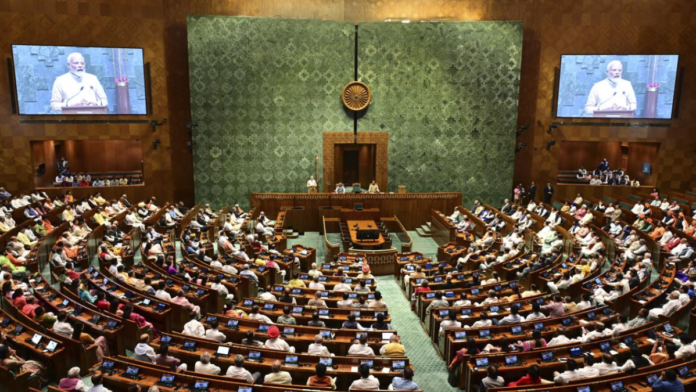
A new nuclear energy bill, approved by the Lok Sabha on Wednesday, was tabled in Parliament earlier in the week by Union Minister of State for Atomic Energy Jitendra Singh.

The legislation seeks to open India’s nuclear power sector to greater private participation. It proposes allowing private firms to run nuclear power plants, revises the existing framework on supplier liability for fuel and technology, and streamlines compensation norms to be applied in the event of a nuclear accident.

The move is aimed at attracting fresh investment into nuclear energy as India works toward its long term objective of building 100 gigawatts of nuclear power capacity by 2047, as highlighted in earlier reports.

Until now, nuclear power generation in India has largely remained the domain of public sector entities, with limited scope for joint ventures. The proposed law significantly widens this scope by permitting any eligible company or joint venture to build, own, operate, or decommission nuclear reactors and plants in the country. Such entities would be required to secure licences after receiving safety clearances related to radiation exposure.

Under the provisions of the bill, permission may be granted to departments of the central government, government owned institutions or corporations, public sector companies, private firms, joint ventures among these entities, or any other party specifically authorised by the central government through notification to undertake nuclear activities.

The statement of objectives attached to the legislation also outlines the introduction of what it terms a more practical civil liability framework for nuclear damage. It further proposes changes to the Patents Act to enable the granting of patents linked to atomic energy technologies.

In addition, the bill seeks to repeal the Atomic Energy Act and the Civil Liability for Nuclear Damage Act, while removing a controversial provision from the liability law that has long been a point of debate within the industry.
Mann Government Expands Digital Services With 54 New Centres to Enhance Public Service Delivery

0
Mann
Mann

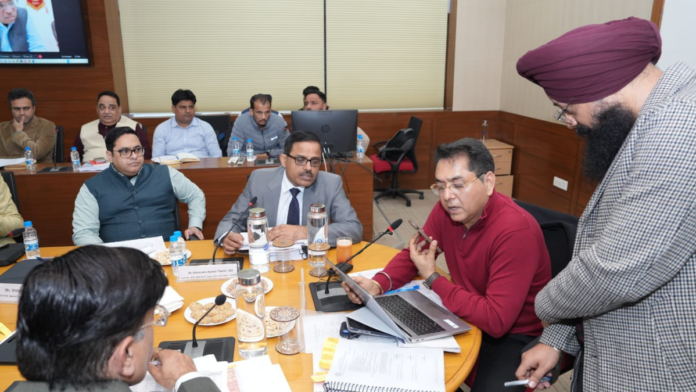
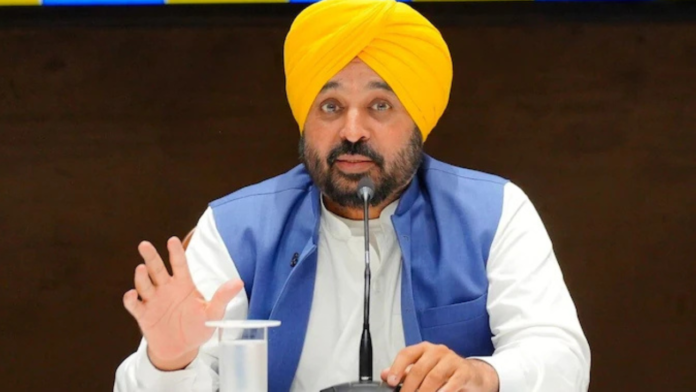
In a fresh push to strengthen public service delivery, the Punjab government has announced a major expansion of its citizen service network. Led by Chief Minister Bhagwant Singh Mann, the state has earned national recognition for recording the lowest pendency rate in the country and is now preparing to take this momentum further by setting up 54 additional service centers. With this expansion, the total number of centers across Punjab will rise to 598. The decision was shared by Governance Reforms and Information Technology Minister Aman Arora.

The announcement came during an in-depth review meeting on citizen service delivery and the functioning of service centers, held at MAGSIPA and chaired by the minister. Senior department officials attended the session, while all Deputy Commissioners joined through video conferencing. Additional Chief Secretary D K Tiwari and GG and IT Director Vishesh Sarangal were also present for the discussions.

During the meeting, officials reviewed the strong performance of the existing 544 service centers operating across Punjab, which include 263 urban and 281 rural facilities. These centers function on a self-sustaining model and currently offer 465 government to citizen services along with seven business to citizen services. The review covered service-wise performance, pending cases, objections raised during processing, and the progress of online field verification.

One encouraging trend highlighted in the meeting was a noticeable drop in the number of cases being sent back for corrections, reflecting fewer unnecessary objections and smoother processing overall.

Reaffirming the government’s goal of eliminating delays, Aman Arora instructed Deputy Commissioners to ensure that every service is delivered strictly within the prescribed timelines. He added that districts performing exceptionally well would be recognised, and officers who achieve zero pendency would be formally honoured.

The minister also praised district administrations for ensuring complete participation of field verification authorities such as Patwaris, Sarpanches, Numberdars, and Municipal Councillors in the online verification process through platforms like e Seva, m Seva, and WhatsApp. He noted that nearly four lakh applications have been received for online verification so far, with an impressive 96.3 percent already processed.

Clear directions were issued to complete all construction work for the newly approved service centers by January 15, 2026, ensuring that the expanded infrastructure becomes operational on schedule.

In parallel, the Punjab government continues to strengthen citizen engagement through initiatives such as the Government at Your Doorstep programme and the Citizen Service Delivery Portal connect.punjab.gov.in. Together, these measures aim to improve accessibility, efficiency, and the overall experience of citizens seeking government services across the state.

₹26 Crore AMRUT 2.0 Grant Powers Continuous Water Supply in Bathinda Under Mann Government’s Jal Jeevan Mission

0

A fresh chapter of progress has begun in Bathinda as the city witnesses a major boost to its water infrastructure. The ₹26 crore water supply projects launched under the leadership of Chief Minister Bhagwant Singh Mann reflect a clear commitment to improving everyday life for citizens. Implemented under AMRUT 2.0, this initiative highlights the Mann government’s focus on ensuring that essential services like clean drinking water reach every household.

For a long time, many neighbourhoods in Bathinda have struggled with irregular supply and poor-quality water. Dry taps and contaminated water have not only caused inconvenience but have also affected people’s dignity and health. These projects aim to change that reality by reinforcing the idea that access to safe water is a basic right, one the state government is determined to safeguard.

Residents received a sense of long-awaited relief when Bathinda Mayor Padamjeet Singh Mehta laid the foundation stone for the new water supply system in Amarpura Basti. Designed under the AMRUT 2.0 framework, the project focuses on long-term sustainability through modern infrastructure and efficient water management. By adopting advanced technology for distribution and conservation, the system is expected to serve not just present needs but also future generations.

Sharing details of the project, Mayor Mehta explained that areas such as Model Town Phase 4 and 5 and Amarpura Basti, where residents earlier depended on borrowed water, will now see a permanent solution. Two overhead water tanks, each with a capacity of two lakh gallons, will be constructed in these localities. In addition, around 63,000 metres of new pipelines will be laid, bringing fresh water connections to nearly 8,600 homes and benefiting close to 35,000 residents directly.

The mayor expressed gratitude to Chief Minister Mann and Local Bodies Minister Ravjot Singh for prioritising Bathinda’s infrastructure needs. He noted that the government is working with urgency to address civic issues across Punjab and that this project marks a turning point for localities that have endured water shortages for years.

Beyond convenience, the investment is expected to significantly improve public health in Bathinda. A steady supply of clean water will help reduce the spread of water-borne diseases such as typhoid and dysentery. Better health outcomes, especially for children, mean stronger physical and mental development and lower medical expenses for families in the long run.

Projects like this also play a vital role in strengthening trust between citizens and the government. This initiative goes beyond administrative action and reflects a genuine service-oriented approach, reassuring residents that their concerns are being addressed with seriousness and care.

The ₹26 crore investment places Bathinda firmly on the path to becoming a water-secure city. More importantly, it signals the beginning of broader efforts to position Punjab among the country’s most developed and well-equipped states. The project stands as a source of pride for Bathinda and a model for similar initiatives across the state.

By prioritising fundamental needs, the Mann government has shown that development is not just about infrastructure, but about investing in people’s well-being and confidence. The real measure of this project lies in healthier families, relieved households, and the renewed hope of citizens who can now look forward to a more secure and dignified future.

OnePlus’s Turbo Series Officially Confirmed, Here’s What’s Coming

0
oneplus

OnePlus has officially announced that it is working on an entirely new smartphone range called the Turbo series, putting an end to recent speculation online. Rumours around a device referred to as the OnePlus Ace 6 Turbo had been gaining traction across forums and social platforms, and the company has now clarified that the Turbo branding will exist as a distinct lineup. While OnePlus has shared only a few details so far, it has offered insight into the philosophy behind the upcoming series.

OnePlus Turbo Series overview

The company stated that the Turbo lineup will be built with a clear emphasis on performance, long battery life, and gaming-focused usage within its respective price segment. OnePlus has not confirmed when the first Turbo phone will launch or what it will be called. It did, however, highlight that the brand has seen more than 40 percent year-on-year growth and plans to keep investing in gaming performance and overall user experience through 2026.

A senior OnePlus executive explained that the Turbo phones are being designed to stand out in areas such as processing power, efficiency, and gaming optimisation when compared with rivals in the same category. Although no technical figures or benchmark results were shared, the company confirmed that these priorities will shape the development of the series.

Expected features and hardware

Industry chatter suggests that the OnePlus Ace 6 Turbo could debut as the first model under the new Turbo umbrella. The handset is said to carry the internal codename Macan. If these reports are accurate, the device may sport a 6.7 inch display with 1.5K resolution and a high 165Hz refresh rate. Power could come from Qualcomm’s Snapdragon 8 Gen 5 chipset.

For the Chinese market, the phone is expected to run ColorOS 16 based on Android 16. Additional rumoured features include an ultrasonic fingerprint sensor, stereo speakers, NFC support, and an X axis linear motor to enhance haptic feedback. These specifications have not been officially confirmed, as OnePlus has yet to release a complete hardware breakdown.

At this stage, the company has only confirmed the existence of the Turbo series and the key areas it intends to prioritise. Details regarding specific models, pricing, and market availability are likely to be shared closer to the official launch.

New Initiatives and 2026 Agenda Finalised as India and UAE Reach Agreement

0
India

India and the United Arab Emirates have agreed to launch fresh initiatives and adopt a results-driven roadmap to strengthen collaboration in key areas, following high-level talks between External Affairs Minister S Jaishankar and UAE Foreign Minister Sheikh Abdullah bin Zayed.

The discussions took place in Abu Dhabi on Monday, where the two leaders jointly chaired the 16th India-UAE Joint Commission meeting along with the fifth Strategic Dialogue. During the meetings, both sides conducted a comprehensive review of their partnership, covering sectors such as trade and investment, energy cooperation, connectivity, defence and security, development initiatives, technology, healthcare and education.

According to the external affairs ministry, both ministers expressed satisfaction with the progress of the comprehensive strategic partnership and agreed to pursue new measures and a focused action plan over the next year to further expand cooperation in priority areas.

Regional and international developments were also on the agenda, with particular attention given to the situation in West Asia. The two sides underlined their shared commitment to safeguarding regional peace, stability and economic prosperity.

In line with this approach, Jaishankar and Sheikh Abdullah agreed to deepen coordination and cooperation on major initiatives. They reiterated their support for the India Middle East Europe Economic Corridor and reaffirmed their joint efforts to advance the interests of the Global South.

Sheikh Abdullah also conveyed the UAE’s backing for the AI Impact Summit scheduled to be hosted by India in February, as well as support for India’s presidency of the BRICS grouping in 2026.

During his visit, Jaishankar held separate meetings with Sheikh Mansour bin Zayed Al Nahyan, the UAE’s vice president and deputy prime minister, National Security Adviser Sheikh Tahnoun bin Zayed Al Nahyan, and Khaldoon Mubarak, managing director and chief executive of Mubadala, the country’s sovereign wealth fund.

The external affairs ministry said these high level interactions reinforced the shared vision of both nations to build greater strategic trust, broaden economic engagement and identify new avenues for bilateral and trilateral cooperation.

Jaishankar also took part in the Sir Bani Yas Forum held from December 13 to 14, where he exchanged perspectives with global leaders and experts on pressing geopolitical, security and technological challenges.

Following his engagements in the UAE, Jaishankar is set to travel to Israel for bilateral discussions with Israeli foreign minister Gideon Saar. His visit follows a recent phone conversation between Prime Minister Narendra Modi and Israeli Prime Minister Benjamin Netanyahu, during which both leaders agreed to meet in the near future.

Earlier this year, several Israeli ministers, including finance minister Bezalel Smotrich, visited India. During Smotrich’s visit, the two countries signed a bilateral investment treaty, while the terms of reference for a free trade agreement were finalised during commerce minister Piyush Goyal’s visit to Israel last month.

‘Have To Take a Call Now’: Gambhir Suggests Giving Shubman Gill a Break From T20Is

0
Shubman Gill

Former India cricketer Mohammad Kaif has called on the current team management led by head coach Gautam Gambhir to consider leaving out Shubman Gill for the upcoming T20I matches against South Africa, citing the batter’s prolonged dip in form. Since returning to the T20I setup, Gill has struggled to make a strong impact and has failed to register a single half century. Before his comeback, Sanju Samson had firmly established himself in the role, smashing three centuries last year, but Gill’s inclusion eventually pushed Samson out of the playing eleven.

Gill’s struggles were evident in the first two T20Is against South Africa, where he managed scores of just 4 and 0, lasting only three deliveries across both innings. With pressure building on the Indian captain in Tests and ODIs, his performances in the remaining three T20Is will be closely watched. India have eight matches left before the T20 World Cup scheduled for February and March next year, and concerns around the form of Gill and Suryakumar Yadav remain a major talking point.

According to Kaif, Gill’s recent failures stem from the excessive burden of leadership roles placed on him in a short span. He pointed out that the dismissals in the opening two games reflected a batter trying too hard to rediscover form but finding little success.

Kaif shared his views on his YouTube channel, saying that Gill has been given too many responsibilities at once. He noted that handling Test captaincy, ODI captaincy and vice captaincy in T20Is simultaneously is unrealistic for any player. In his opinion, leadership roles should be handed out gradually rather than all at once.

He further explained that Gill appears to be experimenting with different approaches at the crease, getting caught at slip, stepping out and mistiming shots, or attempting aggressive strokes similar to Abhishek Sharma. Kaif felt that Gill has tried every possible adjustment but nothing seems to be clicking. As a result, he believes a temporary break could help, while proven performers like Sanju Samson deserve another opportunity.

Kaif also stressed the need for fairness in selection decisions, urging the management to avoid double standards. He argued that even vice captains have been dropped in the past and that resting Gill for the team’s benefit should not be seen as controversial. In his view, reinstating Samson would add value, especially with his natural attacking style complementing Abhishek Sharma at the top of the order.

He questioned why players such as Yashasvi Jaiswal were dropped, while Samson remained on the bench despite delivering exceptional performances as an opener. Kaif highlighted that Samson scored three centuries in just five T20 innings, a feat unmatched in the format’s history, yet did not receive consistent chances.

Kaif concluded by saying that the mounting pressure on Gill suggests it may be time for a change, especially with the larger objective of winning the T20 World Cup in mind. He pointed out that while some players are given extended runs to settle into the side, others get very limited opportunities, a pattern that has become increasingly noticeable.

It is also worth noting that Gill had missed the second Test and the ODI series against South Africa due to a neck injury. Only after receiving medical clearance from the Centre of Excellence was he allowed to rejoin the T20I squad.

‘Dhurandhar’ Continues Box Office Rampage as It Surpasses ₹550 Crore Globally

0

Aditya Dhar’s espionage thriller Dhurandhar has turned into a global box office sensation, amassing an impressive ₹552.70 crore worldwide within just 10 days of its release, the filmmakers announced on Monday.

Starring Ranveer Singh in the lead, the film hit theatres on December 5 and delivered a historic performance in India on its second Sunday. It earned ₹58.20 crore nett that day, marking the highest second Sunday collection ever for a Hindi film and pushing its total India nett earnings to ₹364.60 crore.

The movie’s India gross collections have climbed to ₹430.20 crore, while overseas markets have contributed ₹122.50 crore so far. The strong momentum was evident from the start, with the film collecting ₹218 crore nett in its opening week. This was followed by ₹34.70 crore on the second Friday and ₹53.70 crore on the second Saturday, setting the stage for the record breaking Sunday haul.

In an official statement, the makers described the film’s run as extraordinary, calling it a record shattering journey where collections have continued to grow each day since the first Monday. They highlighted that Dhurandhar has set new benchmarks by registering the biggest second Friday, second Saturday and second Sunday ever seen in Hindi cinema.

The producers added that theatres continue to witness packed houses, midnight shows and nonstop screenings, with audience enthusiasm showing no signs of slowing down. According to them, the film’s success has now expanded into a global phenomenon, fuelled by strong word of mouth and overwhelming audience support.

Directed and written by Aditya Dhar, Dhurandhar is a high intensity spy thriller that explores covert intelligence missions against the backdrop of major geopolitical and terror related events, including the Kandahar hijacking, the 2001 Parliament attack and the 26/11 Mumbai attacks. Ranveer Singh leads the narrative as the story unfolds across tense and high stakes scenarios.

Although the film has sparked divided opinions among critics and viewers in India, much of its storyline is set in Karachi’s Lyari area, a region known for its turbulent history of gang rivalries and violent conflicts.

Produced by Aditya Dhar and Lokesh Dhar under the B62 Studios banner in collaboration with Jyoti Deshpande’s Jio Studios, the film features a strong ensemble cast that includes Sanjay Dutt, Akshaye Khanna, Arjun Rampal, Sara Arjun, R Madhavan and Rakesh Bedi.

Singapore Issues ‘Stay Indoors’ Advisory for Citizens Amid Delhi’s Severe Air Pollution

0

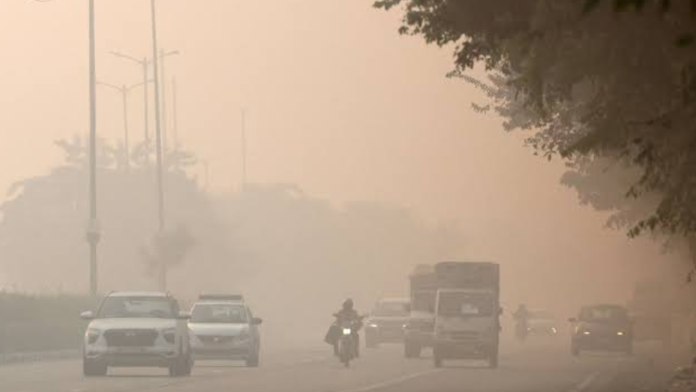
Delhi continued to grapple with dangerously high pollution levels on Monday, with air quality remaining in the severe category. In response, the Singapore High Commission in India issued a public advisory for its citizens living in the Delhi NCR region, urging them to follow official health guidelines, remain indoors as much as possible and wear protective masks when stepping outside.

According to data from the Central Pollution Control Board’s Sameer app, the city’s overall Air Quality Index stood at 437 at 2 pm. Every monitoring station across the capital recorded readings of 400 or higher, underscoring the seriousness of the situation.

In a post shared on its official X account, the Singapore High Commission said that on December 13, 2025, the CPCB activated Stage 4 of the Graded Response Action Plan, the most stringent level under the anti pollution framework. Under this stage, construction and industrial activities face strict curbs, while schools and offices are encouraged to adopt hybrid or remote working models.

The advisory also highlighted the Delhi government’s appeal to residents, particularly children and individuals suffering from respiratory or heart related conditions, to stay indoors and use masks when outdoors. The High Commission urged Singapore nationals in the region to strictly follow this guidance.

The mission further warned that poor visibility caused by dense smog could disrupt air travel. It noted that Indira Gandhi International Airport and multiple airlines have already issued alerts, advising passengers to stay updated with their respective carriers. Singapore nationals were also provided with contact details in case consular assistance is required.

For the third straight day, thick smog has blanketed the capital, leading to widespread disruption in flight operations. Both domestic and international services have been affected at Delhi airport.

Under CPCB norms, air quality is classified as moderate when AQI ranges between 101 and 200, poor between 201 and 300, and very poor between 301 and 400. Readings above 400 fall in the severe category, while levels of 450 and higher are termed severe plus, with 500 considered extremely hazardous. So far, more than 400 flights at Delhi airport have faced delays, with 61 cancellations and five diversions reported.

Later in the afternoon, Delhi airport authorities issued an operational update stating that runway visibility had improved and flight movements were gradually stabilising. However, they cautioned that some arrivals and departures could still face delays. Passengers were advised to stay in touch with airlines for the latest information, while the airport said it is coordinating with all stakeholders to reduce inconvenience.

MGNREGA Likely To Be Phased Out as Govt Prepares Viksit Bharat Gram Employment Scheme

0

The Union government led by Prime Minister Narendra Modi is preparing to introduce a new rural employment law that will replace the Mahatma Gandhi National Rural Employment Guarantee Act of 2005. The proposed legislation is titled the Viksit Bharat Guarantee for Rozgar and Ajeevika Mission Gramin Bill 2025 and is designed to align rural employment with the long term national vision of Viksit Bharat 2047.

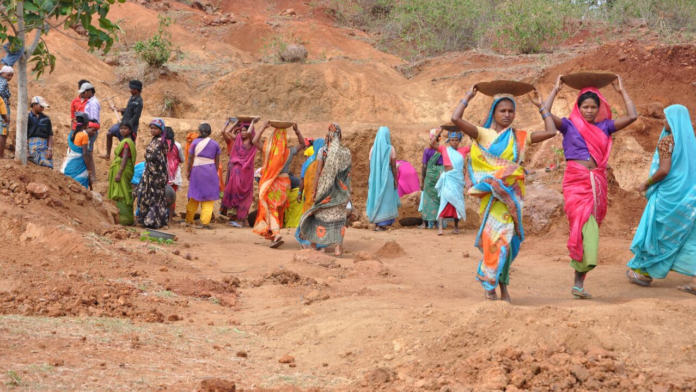
At the heart of the new law is a statutory assurance of up to one hundred and twenty five days of wage employment each financial year for every rural household whose adult members are willing to undertake unskilled manual work. The objective is to create a comprehensive rural development framework that strengthens livelihoods, supports economic growth and builds resilience across villages through structured public works.

Unlike the earlier programme, the new mission places a strong emphasis on convergence and saturation. Employment generated under the scheme will contribute to the creation of a Viksit Bharat National Rural Infrastructure Stack. Priority areas include water conservation and water related projects, essential rural infrastructure, livelihood supporting assets and special works aimed at reducing the impact of extreme weather events.

A major structural shift under the new law is the funding pattern. While the scheme will continue as a Centrally Sponsored initiative, state governments will now shoulder a larger share of the cost. For northeastern and Himalayan states and certain Union territories such as Uttarakhand, Himachal Pradesh and Jammu and Kashmir, the Centre and states will share expenses in a ninety ten ratio. For all other states and Union territories with legislatures, the funding split will be sixty forty. Under MGNREGA, the Centre bore the entire cost of the programme.

The proposed law also introduces restrictions on the timing of works. To ensure sufficient availability of farm labour during crucial agricultural periods, employment under the scheme will not be permitted during notified peak farming seasons. This marks a significant departure from earlier practice. At the same time, the Bill retains a safeguard for workers by guaranteeing an unemployment allowance if work is not provided within fifteen days of applying for employment.

Governance of the scheme will also change substantially. A Central Gramin Rozgar Guarantee Council will be constituted by the Union government to oversee implementation. This body will include a chairperson, representatives from the Centre and states, and up to fifteen non official members drawn from Panchayati Raj institutions, workers’ organisations and vulnerable sections of society. A senior official of at least Joint Secretary rank will serve as Member Secretary. Previously, the programme was administered directly by the rural development ministry without a dedicated council.

At the state level, governments will be required to set up their own State Gramin Rozgar Guarantee Councils to regularly monitor and review implementation. In addition, both the Centre and the states will form steering committees. The national level steering committee will advise on fund allocations, inter ministerial coordination and convergence across departments, while also providing high level oversight.

The Bill continues to place Panchayati Raj institutions at the core of execution. District, block and village panchayats will remain the primary authorities responsible for planning, carrying out and supervising works under the scheme. District Programme Coordinators will be appointed to manage implementation on the ground.

Finally, the proposed legislation gives itself overriding authority. Its provisions will prevail over any other existing law or instrument in case of inconsistency, ensuring that the new rural employment framework operates without legal बाधा.

Together, these changes signal a comprehensive redesign of rural employment policy, shifting the focus from standalone wage support to integrated infrastructure creation and long term rural transformation.

Punjab Reaches Landmark Environmental Goal as Mann Govt Plants 12.57 Lakh Trees Under Greening Mission

0

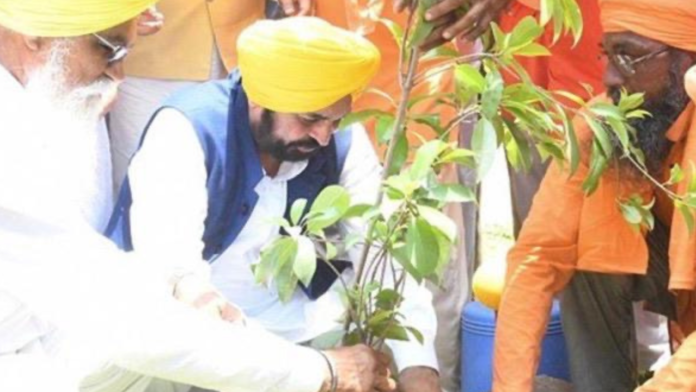
Punjab’s landscape is undergoing a quiet but remarkable transformation, and at the heart of this shift is a government initiative that blends environmental responsibility with cultural emotion. Instead of treating plantation drives as a bureaucratic exercise, the state has framed its Greening Punjab Mission as a long-lasting gift to future generations. What Chief Minister Bhagwant Mann’s administration has set in motion is not merely an expansion of tree cover but an attempt to rekindle the state’s relationship with its land and natural heritage.

Rather than beginning with numbers or targets, the mission has grown from a larger idea: Punjab’s environment deserves the same care and devotion as its people. Only after planting the first roots of this philosophy did the Forest and Wildlife Conservation Department launch a massive plantation effort that has now crossed twelve and a half lakh saplings. This is a historic milestone for a state battling pollution, soil depletion, and falling water tables. The achievement becomes even more striking when one considers the range of spaces covered—industrial zones, school campuses, urban clusters, and gardens dedicated to Sikh Gurus.

Each of these plantings carries a unique purpose. In schools, tens of thousands of saplings are helping children grow up with a natural connection to the environment. In industrial areas, the young trees are absorbing pollutants and softening harsh landscapes. Nanak Gardens, planted in honour of the Sikh Gurus, are reminding communities of the spiritual importance of caring for the earth. Across cities and villages, the quiet emergence of new green spaces is beginning to change how people think about environmental care.

What has surprised many observers is the pace of implementation. Plantation across several thousand acres shows that the effort is not symbolic but rooted in steady ground-level work. Officers from the Forest and Wildlife Conservation Department have been conducting monitoring drives, ensuring saplings survive and mature into full, healthy trees. The mission is as much about nurturing as planting, and this operational discipline has become its backbone.

At a time when Punjab faces severe ecological stress, the mission is expected to yield life-changing benefits. Carbon dioxide absorption will rise dramatically as these saplings grow, helping counter worsening air pollution. Groundwater recharge, a critical challenge for the state, will steadily improve. The plantation of fast-growing species will stabilise soil and restore biodiversity in once-depleted areas. In many regions, local residents have begun voluntarily participating in maintenance, turning the initiative from a government-led effort into a grassroots movement.

Another aspect that has resonated widely is the cultural symbolism embedded in the mission. Punjab’s agricultural prosperity has long shaped its identity, and this renewed focus on natural greenery complements that legacy. By linking ecological restoration with values like service, community responsibility, and reverence for nature, the initiative has gained emotional depth. It is increasingly seen not as an environmental project but as a social commitment shared by the entire state.

As more communities begin to witness the visible changes, the broader message has become clear: long-term development must include the health of the environment. The mission’s strength lies in its forward-looking approach. The government is not merely addressing current ecological needs but preparing Punjab for the next half-century, ensuring future generations inherit cleaner air, healthier soil, and water security.

The Greening Punjab Mission is evolving into a collective journey shaped by public spirit and administrative resolve. It promises not just greener landscapes but a refreshed bond between people and the land they call home. In giving Punjab millions of new trees, the government has also given it a renewed sense of hope—one that will grow year after year, just like the saplings now taking root across the state.