Home Blog Page 19

Taiwan Tensions and US China Relations Take Centre Stage at Beijing Summit

0
taiwan us

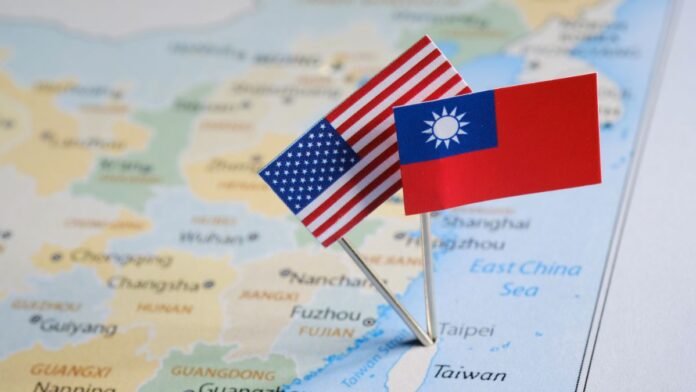
Donald Trump began high level talks with Xi Jinping in Beijing on Thursday as the United States and China sought to stabilise ties amid growing disagreements over trade, Taiwan and the ongoing Iran conflict.

The two leaders held their first round of meetings for nearly two hours, according to the White House. Trump is scheduled to meet Xi again on Friday before returning to the US, although major breakthroughs on key disputes are not widely expected.

Xi speaks of “new vision” for ties

Following the talks, Xi said both countries had agreed on what he described as a “new vision” aimed at building a more constructive and strategically stable relationship over the coming years.

According to Chinese state media, Xi said the framework would help guide bilateral ties over the next three years and beyond.

At the same time, the Chinese president warned that tensions surrounding Taiwan remain a serious flashpoint that could damage relations if not handled carefully.

Xi urged Washington to approach the Taiwan issue with caution, saying stable management of the matter was essential for maintaining broader stability between the two countries. He warned that mishandling the issue could potentially lead to clashes or even conflict.

Trade, technology and Iran among key issues

Trade discussions featured prominently during the summit, with Xi describing recent economic talks between both sides as generally balanced and positive.

He also said China would continue opening its economy further and welcomed deeper cooperation with American companies operating in the country.

Xi added that both nations should make better use of diplomatic, political and military communication channels to avoid misunderstandings and strengthen coordination.

Trump described the US China relationship as one of the most consequential in world history and called the discussions with Xi extremely positive and productive.

During his remarks, Trump also referred to the historical ties between the two countries, highlighting contributions made by Chinese workers to American railway construction and the role of American travellers in spreading literacy and modern medicine in China.

Focus on trade and energy security

According to reports, Trump raised concerns over agricultural trade and urged China to increase purchases of American farm products.

The US president also reportedly pressed Beijing to crack down on the flow of fentanyl precursor chemicals entering the United States.

Energy security and the situation around the Strait of Hormuz were also discussed during the summit.

Officials said both sides spoke about ensuring the key shipping route remains open to support global energy trade. Xi reportedly reiterated China’s opposition to any militarisation of the waterway amid ongoing tensions linked to the Iran conflict.

Business leaders join delegation

Separately, Chinese Premier Li Qiang met leading American business executives travelling with Trump in Beijing.

The delegation included Elon Musk, Tim Cook and Jensen Huang.

Li stressed the importance of cooperation and friendship between the two countries while addressing the visiting business leaders.
Government of Delhi Orders 2 Day WFH, Restricts Foreign Trips for Officials Amid US-Iran War Impact

0
delhi govt wfh order

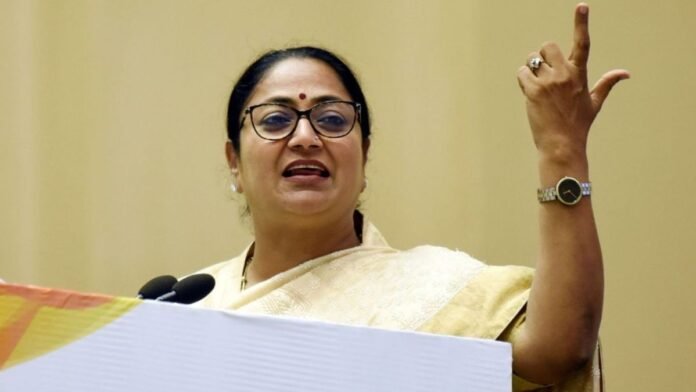
Rekha Gupta on Wednesday announced a set of fuel-saving measures for government departments in response to Narendra Modi’s appeal for austerity amid rising geopolitical tensions linked to the ongoing West Asia conflict.

As part of the new measures, Delhi government employees will work from home for two days every week. The administration has also directed departments to shift towards online meetings and reduce unnecessary use of official vehicles.

Gupta said the private sector would also be encouraged to adopt work-from-home arrangements. According to her, the labor department will monitor whether companies are implementing the advisory.

The Delhi Chief Minister added that the government wants offices to minimize fuel consumption wherever possible while ensuring normal functioning continues.

Push comes amid energy concerns

The latest measures come against the backdrop of continuing tensions in West Asia after conflict erupted on February 28, disrupting shipping activity through the Strait of Hormuz, a critical global oil transit route. The disruption has raised fears of a wider energy crisis and mounting pressure on fuel supplies and prices.

Senior Delhi government officials and ministers have already begun implementing austerity steps following the Prime Minister’s recent call for reducing petroleum consumption during the ongoing US-Iran conflict.

According to sources, ministers have been encouraged to rely more on public transport, share vehicles through carpooling, cut down the use of official cars and avoid foreign travel unless absolutely necessary.

Gupta said the government intends to reduce dependence on official vehicles and wants ministers, MLAs, and bureaucrats to increasingly use public transport systems.

She also appealed to Delhi residents to adopt similar habits by choosing Metro services and buses instead of private vehicles. According to her, this would not only help conserve fuel but also reduce traffic congestion and air pollution in the capital.

Meanwhile, departments such as the Public Works Department, Delhi Jal Board, and the irrigation and flood control department have issued formal instructions promoting virtual meetings, electric mobility, and the observance of a weekly “No Car Day.”

Kerala to Get New CM Soon as Indian National Congress Clears Final Name

0
congress kerala cm

Indian National Congress on Wednesday confirmed that it will announce its choice for the next Chief Minister of Kerala on Thursday, bringing an end to days of speculation and internal deliberations following the party’s decisive Assembly election victory.

The announcement came after a nearly 40-minute meeting between Rahul Gandhi and Congress president Mallikarjun Kharge at Kharge’s residence in Delhi.

Speaking to reporters after the meeting, party general secretary Jairam Ramesh said the leadership had completed consultations with Kerala leaders and that the final decision would be made public the next day.

He stated that the Congress high command had concluded all discussions authorized by members of the Congress Legislature Party in Kerala and would formally announce the new chief minister on Thursday.

When asked whether the declaration would be made from Delhi or Kerala, Ramesh reiterated only that the official announcement would come tomorrow.

Congress explains delay in decision

Earlier in the day, Kerala Congress chief Sunny Joseph had hinted that the decision was nearing completion. He said internal discussions had effectively ended and only the final approval from the central leadership remained pending.

Joseph also suggested that the delay may have been linked to the hospitalisation of Sonia Gandhi, adding that the final announcement would come from Delhi.

The Congress led United Democratic Front secured a commanding two thirds majority in the 2026 Kerala Assembly elections, the results of which were declared on May 4.

Despite the emphatic win, the party spent several days holding extensive consultations with senior state leaders and former office bearers before reaching a final consensus on the chief ministerial face.

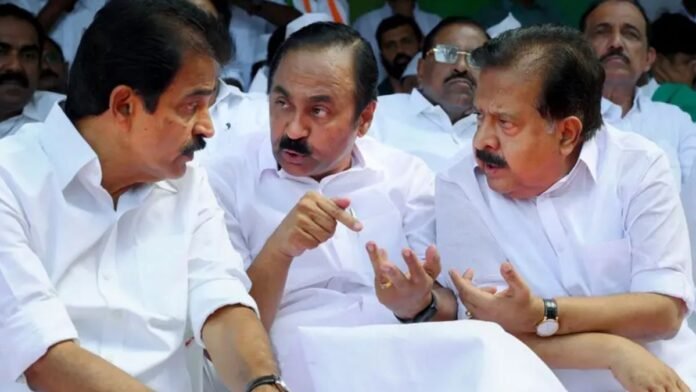
Among the names considered frontrunners for the post are K C Venugopal, outgoing Leader of Opposition V D Satheesan and senior Congress leader Ramesh Chennithala.

‘They Want to Show You the Mirror’: Tabu on Ageing as a Woman in Cinema

0
Tabu
Tabu

Tabu has long been known for doing things on her own terms in the film industry. Over the years, the acclaimed actor has earned a reputation for choosing unconventional roles, avoiding unnecessary attention and speaking with a level of honesty rarely seen in celebrity culture.

In a recent interview with Harper’s Bazaar India, Tabu opened up about ageing, the scrutiny women face in cinema and why she never learnt the art of giving politically correct industry responses.

“People are more worried about your age”

Speaking about how women are constantly judged in films, Tabu said society often appears more concerned about a woman’s age than the woman herself.

She remarked that people frequently try to “show you the mirror” as though women are unaware of their own ageing process.

According to the actor, ageing is gradual and lived every day rather than being some dramatic overnight transformation. She pointed out that people do not suddenly wake up one day at 45 after being 20 the previous day, but instead experience change continuously over time.

Tabu on honesty in the industry

Tabu also revealed that she was often advised against being too direct while turning down film offers.

She said people in the industry would suggest using scheduling conflicts or date issues as excuses rather than honestly admitting dislike for a script.

However, Tabu explained that she never understood that approach. If she did not like a script, she preferred saying so openly instead of hiding behind polite industry diplomacy.

Upcoming projects

On the professional front, Tabu continues to have a packed slate of projects.

She was last seen in Bhooth Bangla alongside Akshay Kumar. The horror comedy, directed by Priyadarshan, released in theatres on April 17, 2026.

Tabu is also part of Nagarjuna Akkineni’s 100th film, tentatively titled King100. The project marks their reunion after 28 years. The two actors were last seen together in the 1998 Telugu film Aavida Maa Aavide, while they had earlier shared screen space in the 1996 hit Ninne Pelladata.

The film is being directed by Naveen (Ra) Karthik, who previously helmed Made in Korea for Netflix.

Public Transport Safety Push as Supreme Court of India Directs States to Install Tracking Devices

0
Public Transport
Public Transport

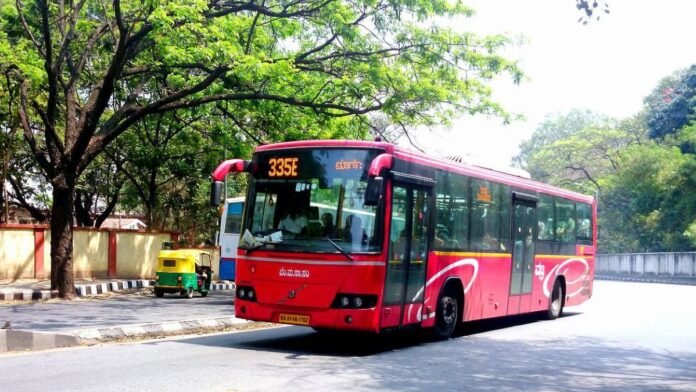
Supreme Court of India on Wednesday directed all states and Union Territories to immediately enforce provisions under the Central Motor Vehicle Rules requiring passenger transport vehicles to be equipped with speed governors, vehicle location tracking devices, and emergency panic buttons.

A bench comprising Justices JB Pardiwala and KV Viswanathan was hearing a public interest litigation focused on road safety reforms when it observed that key safety rules under the CMVR are being widely ignored across the country.

The court remarked that encouraging proper lane discipline could significantly reduce accidents and stressed that the government must work on improving driving practices, even if many drivers may not be formally educated.

During the hearing, the bench was informed that parliamentary data from 2024 showed fewer than 5 percent of transport vehicles are fitted with speed-limiting devices, while vehicle location tracking systems are installed in less than 1 percent of vehicles.

The court ruled that public service vehicles violating these requirements should not receive fitness certificates or operational permits.

It also directed states and Union Territories to submit updated compliance reports regarding the installation of speed-limiting devices under Rule 118 of the CMVR.

The bench further instructed the Ministry of Road Transport and Highways to hold consultations with manufacturers so that all new vehicles come pre-equipped with speed governors, tracking systems, and panic buttons. States were also asked to retrofit existing vehicles with these safety devices.

In addition, the court ordered all compliance data to be integrated with the centralized VAHAN portal.

Calling the current situation alarming, the bench noted that the extremely low installation rate of vehicle tracking systems was deeply concerning.

Senior advocate Gaurav Agarwal, assisting the court as amicus curiae, pointed out that the government had already issued the Vehicle Location Tracking Device and Emergency Button Order in 2018 to improve emergency response systems.

He explained that the tracking devices use GPS technology to continuously transmit a vehicle’s location to government-operated or licensed control centers. The system is designed specifically for public transport vehicles and can help authorities quickly trace a vehicle during emergencies such as abduction, hijacking, or medical distress.

Agarwal added that panic buttons allow passengers to instantly alert police control rooms or women’s safety centers, enabling emergency assistance to be dispatched immediately.

He also highlighted that non-compliance attracts significant penalties under the Motor Vehicles Act. Violations of Rule 125H can result in fines of up to ₹10,000, while manufacturers or dealers supplying non-compliant vehicles may face penalties reaching ₹1 lakh. Authorities also have the power to detain and impound such vehicles.

The matter has now been posted for September, with the court directing the Centre to file an updated compliance report before the next hearing.

The Supreme Court has already issued several directions in the ongoing proceedings aimed at improving road safety, including measures for cashless treatment of accident victims, timely medical care during the critical golden hour period, compensation mechanisms for hit and run cases, and increased use of electronic surveillance systems such as speed cameras, CCTV networks, speed guns, automatic number plate recognition systems, and speed governors.

According to figures submitted by the ministry to Parliament in December 2025, India recorded more than 480,583 road accidents in 2023, resulting in 172,890 deaths. In comparison, 2022 saw 461,312 accidents and 168,491 fatalities.

Government data also revealed widespread non-compliance with motor vehicle regulations. Out of 21.8 million transport vehicles nationwide, only around 1.07 million had mandatory speed-limiting devices installed. The records also showed that out of 385 million registered vehicles, only 175 million currently hold valid insurance coverage.

Among the states, Uttar Pradesh recorded the highest number of road accident deaths at 23,652, accounting for 13.7 percent of total fatalities nationwide. Tamil Nadu and Maharashtra followed with 18,347 and 15,366 deaths, respectively.

Among major cities, Delhi reported the highest number of fatalities at 1,457, followed by Bengaluru with 915 and Jaipur with 850.

Why Russia’s RS-28 Sarmat Is Called the World’s Most Powerful Nuclear Weapon

0
Samrat

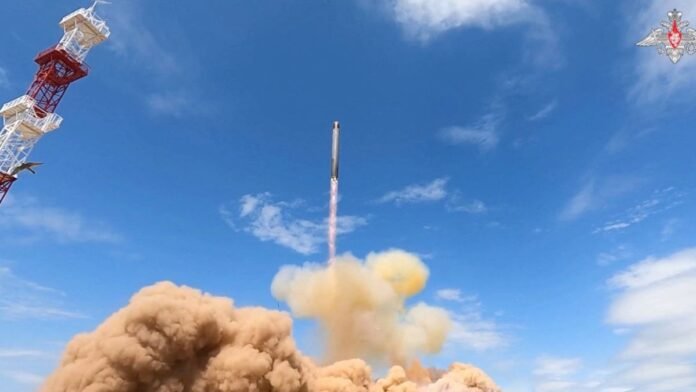
Vladimir Putin announced on Tuesday that Russia plans to deploy its nuclear capable RS-28 Sarmat intercontinental ballistic missile by the end of the year.

The announcement came during a televised meeting with senior military officials and marked Moscow’s latest effort to highlight its next generation strategic weapons programme amid continuing tensions with Western nations.

Describing the Sarmat missile as the world’s most powerful missile system, Putin claimed its warheads carry a combined destructive capability more than four times greater than comparable Western systems.

During the meeting, Sergey Karakayev informed Putin that the missile had successfully completed testing. He said the first regiment equipped with the system would be placed on combat duty in Russia’s Krasnoyarsk region before the end of the year.

Putin repeated that the Sarmat system possesses unmatched striking power compared to existing Western alternatives.

The announcement came shortly after the end of a three day ceasefire between Russia and Ukraine. The temporary truce, announced by Donald Trump, had allowed Russia to conduct its World War II Victory Day celebrations without disruption. Hostilities between Russia and Ukraine resumed on Tuesday following the ceasefire period.

Years of delays and setbacks

Despite Moscow’s latest declaration, the Sarmat missile programme has faced repeated delays over the past several years.

Russian state media had originally reported that the missile would enter service by the end of 2022. Although officials later claimed in 2023 that the system had already been placed on combat duty, Tuesday’s statements suggested the deployment process was still ongoing.

Russia first unveiled the Sarmat programme publicly in 2018 as part of a broader initiative to modernise its strategic weapons arsenal. The missile’s first test launch took place in April 2022, shortly after Russia launched its full scale invasion of Ukraine.

According to analyst Pavel Podvig, the latest successful launch represented only the second confirmed successful test since 2022, while the programme reportedly experienced at least two failed tests during that period.

Podvig described the missile largely as a political project, arguing that it would not significantly alter the balance of nuclear deterrence or military power.

Russia highlights wider strategic arsenal

During the meeting, Putin also pointed to several other advanced weapons systems developed by Russia in recent years. These included the Avangard hypersonic missile system, the Kinzhal air launched missile, the Oreshnik medium range missile system and the Poseidon underwater nuclear drone.

Putin additionally said that development work on the Burevestnik global range cruise missile was nearing completion. The missile is designed to operate using a miniature nuclear propulsion system.

India Must Brace for Tough Times Due to US-Iran War, Warns Uday Kotak

0
Uday Kotak

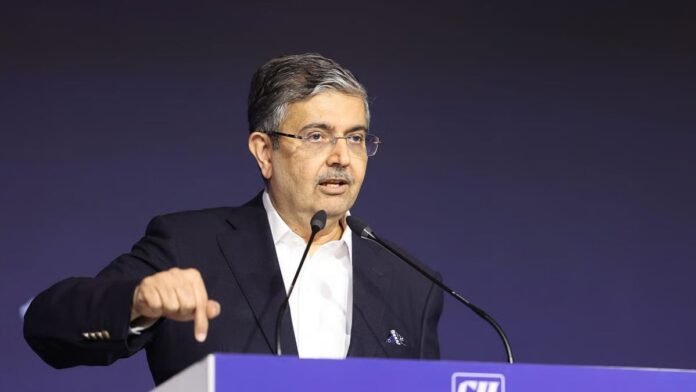
Uday Kotak has warned that India must prepare for long term economic and geopolitical disruptions as rising global tensions and energy shocks begin to reshape the world order.

Speaking at the CII Annual Business Summit 2026 in Delhi, the chairman of Kotak Securities said the ongoing conflict involving the US, Israel and Iran is pushing the global system toward what he described as a more “tribal” mindset. According to him, Indian businesses and policymakers need to focus on strengthening the country’s long term resilience rather than thinking only in short cycles.

Kotak said the full impact of the West Asia conflict has not yet reached ordinary consumers, especially in terms of rising energy prices. He cautioned that the real shock is still ahead and could hit hard in the coming months.

He pointed out that oil companies have so far absorbed much of the financial burden, shielding consumers from the surge in crude prices. However, he warned that such support cannot continue indefinitely given the massive costs involved.

Calling for greater caution, Kotak said India should prepare itself before the crisis deepens rather than reacting after the damage is visible. He stressed that the country’s dependence on imported oil leaves it vulnerable to global price swings that can affect inflation, currency stability and overall economic health.

According to him, India should remain ready for difficult conditions unless the geopolitical tensions ease immediately.

Government highlights rising pressure

Earlier at the summit, Hardeep Singh Puri acknowledged the strain on the energy sector. He said oil marketing companies are currently losing nearly ₹1,000 crore every day in an effort to keep fuel prices stable despite crude oil prices climbing from around 65 dollars to nearly 115 dollars per barrel.

Puri added that under recoveries for the first quarter are expected to touch ₹1.98 lakh crore. Despite the pressure, he said India has managed to maintain uninterrupted energy supplies during a period of intense global disruption.

Kotak also argued that India needs stronger financial discipline across both government institutions and the corporate sector. He said the country’s future economic strength will depend on how efficiently it uses resources and builds durable businesses over time.

He criticised the tendency among companies to focus excessively on short term performance and stock market movements, saying India requires businesses capable of planning with a three to five year perspective.

Government reassures public on supplies

Even as concerns over rising energy costs grow, the government has attempted to reassure citizens about supply security.

Following the fifth meeting of the Informal Group of Ministers chaired by Rajnath Singh, officials said India currently has crude oil and natural gas reserves sufficient for around 60 days, while LPG stocks provide roughly 45 days of cover.

The government also highlighted that India’s foreign exchange reserves remain strong at approximately 703 billion dollars.

At the same time, Narendra Modi has urged citizens to adopt more restrained spending habits. During speeches in Gujarat and Hyderabad, he appealed to people to reduce fuel consumption, consider work from home practices and avoid unnecessary gold purchases to help ease pressure on the economy.

Opposition targets government over austerity calls

Opposition leaders have sharply criticised the government’s messaging.

Senior Congress leader Jairam Ramesh said the Prime Minister’s remarks appeared to signal tougher economic measures ahead, including the possibility of higher fuel prices. He argued that the government was gradually preparing the public to accept stricter cost cutting steps.

Akhilesh Yadav also questioned why concerns over economic strain surfaced only after elections in four states and one Union Territory had concluded.

He mocked the ruling party’s extensive use of chartered flights during election campaigning, asking whether those aircraft had been operating without fuel.

International Student Intake at United States Colleges Falls 20%, Officials Sound Alarm

0

The number of new international undergraduate students joining colleges in the United States fell sharply this spring, highlighting growing concerns over the impact of Donald Trump administration policies on higher education and immigration.

According to a report released Monday by a coalition of education organizations, including NAFSA, foreign undergraduate enrollment dropped by an average of 20 percent compared to the same period last year.

The findings were based on responses from 149 American institutions. Around 62 percent of the surveyed colleges reported declines in both undergraduate and graduate international enrolment compared with spring 2025. Graduate programs saw an even steeper average drop of 24 percent.

International students have long been a major financial pillar for US universities because many pay full tuition fees. Their importance has grown further as colleges face declining domestic student populations. However, the Trump administration’s broader push to tighten immigration and reshape higher education has increasingly targeted foreign student pathways.

Although spring admissions generally involve fewer students than the fall intake, education groups say the trend offers an early indication of what could happen later this year. If the decline reaches similar levels during the larger fall admission cycle, many universities may face serious financial pressure.

The situation intensified last spring when agents from Immigration and Customs Enforcement detained dozens of foreign students, in some cases directly from campuses and dormitories. Thousands of others reportedly lost their legal residency status. While many students eventually had their status restored after court interventions, the uncertainty appears to have had a lasting effect.

Overall international enrolment in the US had already slipped by 1.4 percent last fall. However, most of those students had begun applying before the administration escalated its crackdown on foreign enrolment.

The tougher measures accelerated in March when ICE agents began targeting students more aggressively. In May, the US State Department temporarily paused student visa interviews during the peak processing season before introducing stricter review procedures in June.

Fanta Aw said the latest survey suggests the fall intake could see an even deeper decline. She explained that international students often begin the application process a year or more in advance, meaning the full impact of recent policy uncertainty has yet to be reflected in enrolment figures.

Aw said the best-case scenario would be for fall enrolment to match spring levels, though she believes the situation is more likely to worsen.

In the survey, 84 percent of participating institutions identified restrictive government policies as the main reason behind the decline. More than one-third of colleges also warned that falling enrolment could force budget cuts.

The report further noted that student visa issuances dropped by 36 percent last summer.

The survey included responses from institutions not only in the US but also in countries such as Canada, Australia and the United Kingdom, all major destinations for international students. These countries also reported declines in enrolment linked to tighter immigration policies.

By contrast, colleges in parts of Europe and Asia reported growth in international student numbers.

Sakshi Malik Calls on Narendra Modi After Claiming Wrestling Federation of India Is Blocking Vinesh Phogat Return

0
Vinesh Phogat
Vinesh Phogat

The dispute between Vinesh Phogat and the Wrestling Federation of India continues to escalate. Last week, the federation barred Vinesh from participating in any event until June 26, effectively ruling her out of the National Open Ranking Tournament held in Gonda from May 10 to 12.

The WFI also issued a show cause notice to the 31 year old wrestler, accusing her of bringing disrepute to Indian wrestling following her disqualification at the Paris Olympics 2024 after failing to meet the weight requirement ahead of the women’s 50kg final. The federation additionally levelled charges of indiscipline and anti doping violations against her.

Despite being declared ineligible, Vinesh travelled to Gonda on Monday to meet WFI president Sanjay Singh. However, there has been no change in her status so far.

As the row intensified, Olympic bronze medallist Sakshi Malik came out in support of Vinesh on Tuesday. Malik appealed to Narendra Modi to intervene and ensure Vinesh gets an opportunity to participate in trials and continue representing the country.

In a video shared on Instagram, Malik said she had been reflecting on the issue for several days, noting that while Vinesh is associated with a political party, she herself has no political affiliation. She added that in several countries, sports federations work to make things easier for athletes, including women returning to competition after motherhood.

Malik alleged that the federation had framed rules specifically to prevent Vinesh from making a comeback. She urged the Prime Minister, the sports minister and the WFI to allow Vinesh to compete in trials so she could continue winning medals for India.

Vinesh hits back at WFI

Vinesh, who narrowly missed an Olympic medal in Paris, strongly criticised the federation on Monday. Speaking to reporters, she accused the WFI of targeting her because she had spoken out against it.

She said she had represented India at the Olympics, Commonwealth Games and World Championships, questioning why she was being labelled part of the “Tukde Tukde gang.” Vinesh said such language made her feel unsafe and added that despite the accusations, she remains a respected citizen with the right to fight for herself.

Vinesh, who is also a Congress MLA, had planned to use the Gonda event as her comeback tournament after reversing her retirement decision.

After arriving in Gonda, she responded to the show cause notice by citing Clause 5.6.1 of the World Anti Doping Agency code. According to her explanation, the rule did not apply to her because she had already informed United World Wrestling in June about her intention to resume competition.

However, according to a PTI report, officials found her response unsatisfactory because it allegedly failed to address the disciplinary allegations detailed in the federation’s 15 page notice.

Rajasthan Police Claims NEET UG Paper Was Shared Across Student WhatsApp Groups

0
UGC
UGC

Following allegations that a widely circulated “guess paper” contained 120 questions matching the actual NEET UG 2026 exam, the Rajasthan Special Operations Group traced the trail to identify the alleged source of the leak. The medical entrance examination, conducted on May 3, was canceled on Tuesday.

A senior SOG official said that once authorities received information about the suspected leak, senior officers were immediately sent to Sikar. At the same time, the Central Bureau of Investigation also began its probe, with major coaching centers in Rajasthan emerging as key focus areas.

According to officials familiar with the investigation, teams led by additional director general of police Vishal Bansal, inspector general Ajay Pal Lamba, and additional superintendent of police Prakash Sharma reached Sikar while nearly 150 police personnel were deployed to track the circulation of the leaked material through WhatsApp.

Investigators said they managed to identify the first person who allegedly received the handwritten copy of the “guess paper,” though tracing him within a few days proved challenging. Police became aware of the suspected malpractice on May 7, the same day the National Testing Agency was informed.

The individual, identified as Shubham Khairnar, was detained in Nashik on May 12.

How the paper allegedly spread

Officials said Khairnar, a final year Bachelor of Ayurvedic Medicine and Surgery student, allegedly obtained a handwritten set of 120 NEET questions presented as a “guess paper.” He is accused of circulating soft copies through WhatsApp.

Police said the material was first forwarded to a person in Gurugram before spreading to several cities across Rajasthan, Kerala, Uttarakhand, Jammu and Kashmir, and Bihar.

Investigators said the paper had reached the phones of a large number of students by the night before the examination, making it difficult to determine who had accessed it.

How the leak surfaced

Four days after the examination, some students, along with staff members from a coaching institute in Sikar, approached the NTA with concerns about a possible leak. The agency subsequently referred the matter to the Rajasthan Police.

Before the CBI formally took over the investigation, the SOG traced Khairnar and uncovered his alleged links to a suspected gang involved in leaking the original paper. Officials also tracked intermediaries accused of buying and further circulating the material.

Officials call it a “new type” of leak

Investigators described the method as unlike previous paper leak cases.

An officer involved in the probe said earlier exam leaks usually involved gangs collecting money from candidates, solving the paper separately, and helping students memorize answers in person. In this case, however, the gang allegedly created a handwritten 410-question “guess paper” containing 120 actual questions from the exam and sold it onward before it spread rapidly through social media.

Police said the investigation is still underway to determine whether others besides Khairnar also received physical handwritten copies from the alleged gang.

The SOG has also expanded its probe to coaching centres in Jaipur, Sikar and Kota.

WhatsApp trail and “Private Mafia” group

During the initial phase of the investigation, SOG teams traced the circulation chain to Gurugram, where they identified a person accused of first forwarding the material to students in Sikar through WhatsApp.

Officials said the paper spread rapidly from Sikar and was also circulated through a WhatsApp group named “Private Mafia.” According to investigators, some students reportedly purchased the paper while others received it free through friends or coaching centres.

After tracing the Gurugram connection, investigators tracked Khairnar in Nashik and coordinated with Maharashtra Police for questioning. Officials said the CBI is now preparing to take custody of him as part of the ongoing investigation.

So far, the SOG has questioned more than 20 people in connection with the case.