Home Blog Page 174

Zomato Loses Key Executive: Akriti Chopra, Co-founder & Chief People’s Officer Resigns 

0
Akriti Chopra
Akriti Chopra Resigns

Zomato, India’s leading food delivery platform, has experienced another high-profile departure with the resignation of co-founder and Chief People Officer Akriti Chopra. After a remarkable 13-year journey with the company, Chopra announced her exit in a heartfelt email to CEO Deepinder Goyal on September 27, 2024.

Zomato co-founder Akriti Chopra resigns

“These 13 years have been an incredibly enriching journey. Thank you for everything,” Chopra wrote, highlighting the significance of her tenure.

What’s next for Akriti Chopra?

Her departure marks the end of an era, as she had been with Zomato since 2011, starting as a senior manager and rising through the ranks to become Chief Financial Officer before taking on her most recent role.

What happened in Zomato?

This resignation follows a pattern of leadership changes at Zomato. In 2022, co-founders Gunjan Patidar and Mohit Gupta also left the company. These shifts in the executive team come at a crucial time for Zomato as it navigates the competitive and rapidly evolving food delivery market in India.

Chopra’s departure raises questions about Zomato’s future direction and talent retention strategies in an industry known for its high turnover rates and intense competition for top talent.

Maggie Smith, Iconic Harry Potter Character, Passes Away at 89

0
Maggie Smith
Maggie Smith, Iconic Harry Potter Character, Passes Away at 89

Dame Maggie Smith, a titan of British theatre and cinema, passed away on Friday at the age of 89, leaving behind a legacy that spans seven decades of unparalleled performances such as the dowager Countess of Grantham in “Downton Abbey” and Professor Minerva McGonagall in the “Harry Potter” films. Her sons, actors Chris Larkin and Toby Stephens, announced that she died peacefully in a London hospital, surrounded by the love of her family.

Harry Potter Professor – Dame Maggie Smith dies at 89

“She leaves two sons and five loving grandchildren who are devastated by the loss of their extraordinary mother and grandmother,” they said in a statement, encapsulating the personal impact of a woman who touched millions through her art.

About Dame Maggie Smith’s career:

Smith’s career was a masterclass in versatility, garnering acclaim from critics and audiences alike. Her trophy cabinet boasted two Academy Awards – a Best Actress Oscar for her iconic role in “The Prime of Miss Jean Brodie” (1969) and a Best Supporting Actress win for “California Suite” (1978). These golden statuettes stood alongside numerous BAFTAs, Golden Globes, and a Tony Award, a testament to her prowess across stage and screen.

In recent years, Smith captivated new generations with her portrayal of the sharp-tongued Dowager Countess in “Downton Abbey” and the stern but caring Professor McGonagall in the Harry Potter franchise. She once questioned the latter role with characteristic wit: “Harry Potter is my pension.”

Hollywood extends their condolences

Smith’s ability to inhabit complex characters was legendary. Director Richard Eyre, who worked with her on “Suddenly Last Summer,” offered high praise: “Intellectually the smartest actress I’ve ever worked with. You have to get up very, very early in the morning to outwit Maggie Smith.”

Her reputation for being exacting on set was matched only by her commitment to excellence. As fellow actor Richard Burton noted, Smith didn’t just dominate scenes – she “commits grand larceny.” This intensity sometimes led to a perception of difficulty, but director Peter Hall provided context: “She’s very hard on herself, and I don’t think she sees any reason why she shouldn’t be hard on other people, too.”

Dame Maggie Smith – A Gallery of Grotesques

Despite her formidable presence, Smith maintained a self-deprecating humour about her later career. She once dryly summarized her roles as “a gallery of grotesques,” adding, “When you get into the granny era, you’re lucky to get anything.” Yet her performances in films like “The Best Exotic Marigold Hotel” and “Quartet” proved that age was no barrier to her magnetism on screen.

As the curtain falls on Maggie Smith’s remarkable life, the world of entertainment mourns the loss of an irreplaceable talent. Her ability to seamlessly transition from comedy to drama, from stage to screen, and from classical roles to contemporary characters, ensures her place in the pantheon of great actors. Smith’s legacy will continue to inspire and entertain for generations to come, a fitting tribute to an artist who gave her all to her craft until the very end.

Amazon Gets Relief from UK Antitrust Probe Over $4 Billion Investment

0

The U.K.’s antitrust authority has determined that Amazon’s partnership and equity investment in AI startup Anthropic cannot be scrutinized under current merger regulations due to the deal’s size and scope.

This announcement from the U.K. Competition and Markets Authority (CMA) comes exactly six months after Amazon completed a $4 billion investment in Anthropic, one of several well-funded AI startups. Founded three years ago, Anthropic develops large language models (LLMs) and a chatbot named Claude, comparable to OpenAI’s ChatGPT and Google’s Bard.

Based in San Francisco, Anthropic operates as a public benefit corporation (PBC) and has raised approximately $10 billion since its launch. In addition to Amazon’s $4 billion, Anthropic has received over $2 billion from Google’s parent company, Alphabet. The CMA has also initiated an early-stage “invitation to comment” on Google’s investment, which is still pending.

The CMA examined whether aspects of Amazon’s partnership with Anthropic might give Amazon “material influence over Anthropic.” This scrutiny reflects a broader trend where critics argue that Big Tech companies are attempting to control startups through a new form of M&A strategy that stops short of full acquisitions, often involving strategic investments or hiring key personnel.

However, the CMA concluded that no “relevant merger situation” was established under the Enterprise Act 2002, meaning it did not reach the stage of assessing whether Amazon had gained “material influence” over Anthropic. This is because Anthropic’s U.K. turnover does not meet the £70 million threshold required for investigation, and the companies do not collectively control 25% or more of the relevant market.

“Anthropic is an independent company, and our strategic partnerships and investor relationships do not compromise our corporate governance independence or our ability to collaborate with others,” an Anthropic spokesperson stated in a statement to TechCrunch.

The CMA’s probe is one of many recent investigations. It recently cleared Microsoft’s Inflection acqui-hire, though it determined the transaction was effectively a merger. Microsoft also avoided antitrust scrutiny over its stake in Mistral AI. Separately, the CMA is investigating Microsoft’s relationship with OpenAI, having initiated a formal “invitation to comment” last year, though there have been no updates since.

Rahul Gandhi Bashes BJP For Job Losses; ‘PM Modi’s monopoly model’

0

Congress leader Rahul Gandhi criticized the ruling BJP, accusing the government of running a “monopoly model” that has caused job losses, crippled micro, small, and medium enterprises (MSMEs), and deprived many of opportunities.

Gandhi attributed the rising unemployment to the Modi government, asserting that “India deserves better.”

During a discussion with business owners and professionals in Jammu, Gandhi said, “Modi ji’s monopoly model has taken away jobs, devastated MSMEs, and deprived people of opportunities. India deserves better.”

Explaining the causes of unemployment, the Leader of the Opposition in Lok Sabha noted that while India possesses a vast pool of skills, large corporations’ attacks on smaller businesses are worsening the job market. He further stated that demonetisation, import duties, and GST were designed to economically “hurt” people.

Read more: ‘Give up arms, talk to us, or…’: Amit Shah’s olive branch to terrorists in Jammu & Kashmir

Rahul Gandhi urged the central government to simplify GST and enhance banking access for small businesses to boost employment and rejuvenate the job market.

“India has a vast skill set, and it’s not just about the government—it’s about the people. The primary reason for unemployment, in my opinion, is the systematic attack on the fundamental employment structure, which includes both smaller and bigger businesses, by 5-10 major monopolies,” he said.

“These are not production monopolies. For instance, countries like Japan also have large monopolists, but their monopolists produce goods. In contrast, our monopolists are primarily traders, not producers, and they wield significant control over the political system, orchestrating attacks on businesses. GST, demonetisation, and import duties were all designed to harm small businesses,” he added.

On X, Gandhi posted, “The frustration in the eyes of a young startup owner from J&K reflects the struggles faced by many entrepreneurs and small-business owners in India. ‘Modi ji’s monopoly model’ has taken away jobs, devastated MSMEs, and deprived people of opportunities.”

IOA Board Denis Appointment of Raghuram Iyer

0
xr:d:DAFrX_taHtU:860,j:4554679714253280443,t:24010601

New Delhi: The Indian Olympic Association’s (IOA) executive council on Thursday refused to ratify the appointment of CEO Raghuram Iyer, leading to a standoff with President P.T. Usha at the IOA headquarters.

Usha expressed concerns that the decision could hamper India’s “dialogue with the IOC’s Future Host Commission” regarding the country’s bid to host the 2036 Olympics.

“Without a CEO, the IOC will not permit any discussions with the Future Host Commission (FHC) for the 2036 Olympics because the CEO is required to lead these talks. We need to demonstrate professionalism. The IOC only called us for a meeting when we appointed the CEO in January, allowing us to engage in dialogue with the FHC twice. They are now asking when we can resume talks, but I am unable to proceed,” said Usha.

During the crucial executive council meeting, which was attended by IOC Director Jerome Poivey as a special invitee, 12 members expressed the necessity of having a CEO but raised concerns about Iyer’s appointment. The matter was put to a vote, with 12 members opposing the ratification of the CEO, according to the minutes of the meeting signed by all EC members except Usha, who chaired the session.

Iyer, who was appointed CEO in January, faced objections over his ₹20 lakh per month pay package. The EC members suggested restarting the appointment process with new terms of reference, aiming to complete it within two months.

Following the vote, Usha left the meeting, and the members decided that Joint Secretary Kalyan Chaubey would continue as acting CEO until a new CEO is appointed in accordance with the constitution.

The meeting minutes noted that Usha left “abruptly and did not return.” Usha, however, stated, “I was in the meeting for about an hour, and once the agenda was covered, I left. They cannot decide and include this in the minutes without me.”

Asked about her next steps, Usha said, “I will decide on the best course of action as per the constitution. Initially, they had concerns about the CEO’s salary, and now they want to restart the appointment process? They keep changing their stance. It took us a long time to appoint the CEO.”

Usha added that during the January EC meeting, which was the only one video-recorded, she asked each member about Iyer, and they only wanted his salary renegotiated, though no specific rates were suggested. She also claimed that members usually don’t allow meetings to be recorded.

Jerome Poivey advised the members to proceed with ratification, but the minutes stated, “The IOC representative acknowledged this as an internal matter of the IOA, with no specific interference from the IOC.”

An EC member argued, “We never approved the CEO’s appointment or reviewed the applicants for the position. What interest does the CEO have in continuing without board ratification?”

“We aim to appoint a new CEO within two months. Our priority is to improve Indian sports and streamline operations,” the member added.

India is interested in bidding for the 2030 Youth Olympics and 2036 Summer Olympics, but internal conflict within the IOA is delaying discussions with the FHC.

As a preliminary step towards bidding, the FHC engages in discussions with countries expressing interest in hosting the Olympics, followed by multiple rounds to finalize bids and candidates before making recommendations to the IOC Executive Board. The IOC has emphasized that a “strong National Olympic Committee is essential for a successful bidding process.”

India Signs BBNJ Agreement; Seeks to Promote Conversation

0

India has signed the Biodiversity Beyond National Jurisdiction (BBNJ) Agreement, aimed at promoting the conservation of marine genetic resources and ensuring the fair and equitable sharing of associated benefits.

“India is proud to join the BBNJ Agreement, a crucial step towards keeping our oceans healthy and resilient,” said External Affairs Minister S. Jaishankar in a post on X after signing the treaty at the United Nations headquarters in New York on Wednesday.

Known as the High Seas Treaty, the agreement is part of the United Nations Convention on the Law of the Sea (UNCLOS). It applies to the high seas, which constitute nearly two-thirds (64%) of the ocean and cover almost half of the planet’s surface. These areas are some of the most ecologically vital yet critically threatened and least protected on earth, with less than 1% currently under full or high protection.

The treaty addresses concerns over the long-term preservation of marine biodiversity in the high seas by setting clear mechanisms for sustainable use through international cooperation and coordination. It prohibits any party from claiming sovereign rights over marine resources in these areas and ensures the fair sharing of benefits.

Adopting an inclusive, ecosystem-based approach rooted in the precautionary principle, the treaty encourages the use of traditional knowledge alongside the best scientific data available. It aims to minimize environmental impacts through area-based management tools and establishes guidelines for conducting environmental impact assessments.

In March 2023, after five years of negotiations, nations reached a landmark agreement on the High Seas Treaty to protect ocean life and curb global biodiversity decline. The treaty will enter into force once ratified by at least 60 countries, providing a legal framework to address governance gaps and guide the conservation of biodiversity beyond national jurisdictions.

According to the High Seas Alliance, the High Seas Treaty is the first comprehensive, international, and legally binding framework specifically designed to protect high seas biodiversity, following two decades of discussions.

At a recent workshop on the BBNJ in Chennai, PK Srivastava, an advisor to the Union Earth Sciences Ministry, announced plans to establish a dedicated institutional mechanism to oversee the implementation of the agreement. “This authority will handle the necessary regulations, studies, and activities related to the treaty,” he said.

Srivastava highlighted the need for thorough discussions and revisions to existing legislation to align with the treaty’s requirements, suggesting that the Environment Protection Act could be leveraged for conducting environmental impact assessments under the BBNJ Agreement.

BrahMos Aerospace Introduces Job Reservations for Agniveers

0

BrahMos Aerospace Pvt Ltd, the Indo-Russian joint venture responsible for producing the BrahMos supersonic cruise missile, has set aside several vacancies for Agniveers—recruits from the Agnipath scheme—in departments such as technical, general administration, and security. The company will also motivate its industry partners to employ these soldiers after they complete their four-year service tenure.


In an office order issued on Thursday, BrahMos Aerospace announced that at least 15% of vacancies in its technical and general administration departments will be reserved for Agniveers, with these recruits filling at least 50% of positions in security and other administrative roles at centers where such services are outsourced.

“Agniveers, with their intensive, time-bound military training, technical expertise, discipline, and adaptability, will play a crucial role in strengthening India’s defense and industrial sectors. As India strives to become a developed nation by 2047, their contributions will be key to shaping the country’s future,” the company stated in a post on X on Friday.

This announcement comes just days before assembly elections in Haryana, where the Agnipath scheme has faced strong opposition.

BrahMos Aerospace is the first major company to officially reserve positions for Agniveers across multiple roles. Notably, the government has already set aside 10% of vacancies for Agniveers in the Central Armed Police Forces, and several defense public sector undertakings are expected to adjust their recruitment policies similarly, along with providing age relaxations. States like Haryana and Rajasthan have also announced reservations for Agniveers in their police forces.

The Agnipath recruitment model, introduced two years ago, aims to keep the armed forces young and combat-ready. It replaced the military’s traditional recruitment system, which was discontinued when the National Democratic Alliance (NDA) government introduced the new scheme in June 2022.

The scheme is open to men and women aged between 17.5 and 21, offering four years of service with the possibility of retaining 25% of recruits for an additional 15 years.

BrahMos Aerospace will also encourage its industry partners to hire at least 15% of Agniveers, incorporating this into commercial supply agreements. The company further stated, “BrahMos Aerospace firmly believes that Agniveers, graduating from the Agnipath Scheme, will not only bridge the skills gap in India’s defense industries but also provide a dedicated workforce committed to the nation and the organization.”

Additionally, BrahMos Aerospace has set provisions to hire Agniveers for at least 15% of contractual positions through third-party staffing agencies, depending on their qualifications and experience in technical roles.

On September 5, Hindustan Times reported that the government has no intention of modifying the Agnipath model, despite its controversial nature. Altering the scheme would undermine its objectives and compromise India’s security interests.

The scheme, which the opposition Congress has repeatedly called to scrap, has faced significant backlash from aspiring recruits, especially in northern states, and is believed to have cost the Bharatiya Janata Party (BJP) votes in the recent national elections.

Under the previous recruitment system, soldiers served for about 20 years, retiring in their late 30s with pensions and benefits such as healthcare and canteen access. In contrast, Agniveers, who are released after four years of service, do not receive these benefits.

In July, Prime Minister Narendra Modi dismissed criticism of the Agnipath model, emphasizing that it would enhance combat effectiveness and strengthen the nation.

Speaking from a helipad named after a 22-year-old Kargil war hero during an event marking the 25th anniversary of India’s victory in the Kargil war, the PM remarked, “Discussions about lowering the age profile of the armed forces had been ongoing for decades, but there was no political will to implement it. The average age of Indian soldiers was significantly higher than the global average, which was a cause for concern.”

AP Dhillon’s New India Tour; ‘Excited to be returning to India’

0

In December, singer-rapper AP Dhillon will return to India for a three-city tour as part of his The Brownprint tour. He announced the tour on Friday via social media, expressing his excitement to get the party started. This will be Dhillon’s second tour in India, following his first in 2021.

Known for hits like “Brown Munde,” “Excuses,” “Insane,” and “With You,” along with recent tracks from his EP such as “Bora Bora” and “Old Money,” AP Dhillon will kick off his tour in Mumbai on December 7, followed by New Delhi on December 14, and Chandigarh on December 21. He will be joined on stage by long-time collaborator Shinda Kahlon.

Dhillon shared, “I’m incredibly excited to return to India for my tour. The love and support from my Indian fans have been overwhelming, and I can’t wait to bring The Brownprint live to them.”

Aman Kumar, Co-Founder of White Fox India, which is organizing the tour, teased that attendees can expect a seamless and extraordinary musical experience that celebrates Dhillon’s musical journey.

Music lovers in India have a lot to look forward to in the coming months, with several international artists scheduled to perform. Grammy-winning singer Dua Lipa will headline the second edition of the Zomato Feeding India Concert in November. Bryan Adams will bring his So Happy It Hurts tour to India, with performances starting in Shillong on December 10 and ending in Hyderabad on December 16. Karan Aujla will also bring his It Was All A Dream World Tour to India, and Diljit Dosanjh’s Dil-Luminati tour will hit over 10 cities. Coldplay is also expected to perform early next year.

UK PM Supports India’s Bid for Permanent Membership at UNSC

0

UK Prime Minister Keir Starmer expressed his support for India’s bid for a permanent seat on the United Nations Security Council (UNSC) during the 79th session of the UN General Assembly, following a similar endorsement from French President Emmanuel Macron.

Speaking in New York, Starmer stated, “The Security Council must evolve into a more representative body, ready to act—not paralyzed by politics.” He advocated for permanent African representation and permanent seats for Brazil, India, Japan, and Germany, along with more seats for elected members.

India has been at the forefront of calls for urgent reforms of the UNSC, arguing that the 15-member council, established in 1945, is outdated and does not reflect the current global geopolitical landscape. India last served as a non-permanent member from 2021 to 2022, and there is growing demand to expand permanent membership to align with today’s realities.

French President Emmanuel Macron has also backed India’s bid for a permanent UNSC seat, emphasizing the need for a more representative and effective UN. Macron stated, “The Security Council is blocked… Let’s make the UN more efficient and representative,” advocating for permanent seats for Germany, Japan, India, Brazil, and two African nations.

Prime Minister Narendra Modi also highlighted the need for institutional reforms during the ‘Summit of the Future,’ stressing that such changes are vital for global peace and development. UN Secretary-General Antonio Guterres echoed these sentiments, warning that the UNSC’s outdated structure and eroding authority risk its credibility unless reforms are enacted.

The UNSC currently consists of 15 members: five permanent members with veto power (the United States, China, France, Russia, and the United Kingdom) and ten non-permanent members serving two-year terms. Its main roles include conflict resolution, peacekeeping, and sanctions enforcement, making it a cornerstone of international diplomacy.

Rain Ritual: Why are Children Dressed as Bride and Groom in Karnataka’s Village?

0
Karnataka
Karnataka

In the heart of Karnataka, just a three-hour drive from India’s tech hub Bengaluru, lies the unassuming village of Kari-Keyatanahalli. This rural hamlet in Hassan district is home to a captivating nine-day ritual that blends ancient tradition with agricultural necessity, offering a fascinating glimpse into the cultural tapestry of rural India.

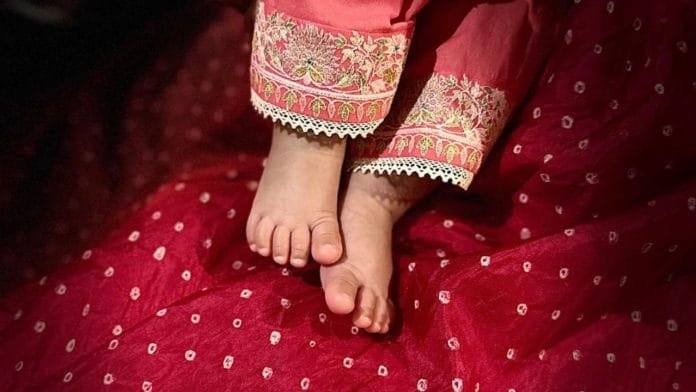
Children adorned as Bride & Groom in Karnataka village

When the ragi crop is sown and rain eludes the parched fields, the villagers turn to an age-old custom to appease the rain gods. The centrepiece of this ritual unfolds on the ninth day when two young boys are adorned as a bride and groom, their symbolic union believed to herald the arrival of life-giving showers.

Why do they practise this ritual in Kari-Keyatanahalli village?

This year, the honoured roles fall to Anjan and Girish, two local children who chose to represent the community’s hopes for a bountiful harvest. As they participate in the final ceremony, the entire village comes together in a collective prayer for rain, their livelihoods hanging in the balance.

“This ritual is organized on a need basis – whenever their ragi crop is sown, but the weather plays spoilsport,” explains a local elder. “The lack of rain poses a great threat to the crop and by large their survival.”

Kari-Keyatanahalli’s rain-summoning ceremony is just one thread in a rich tapestry of similar traditions woven across Karnataka and beyond. In Pavagada taluk of Tumakuru district, villagers practice the intriguing ‘jaldi’ ritual. Here, the act of rolling away rocks is believed to coax the skies into opening up. This custom also incorporates a procession honouring the village deity and special prayers conducted at the local pond.

A Social event which connects & strengthens communities

These rituals, passed down through generations, speak to the deep connection between rural communities and the natural world that sustains them. They serve not only as spiritual practices but also as binding social events that strengthen community ties in the face of shared challenges.

As climate change brings increasing uncertainty to agricultural regions worldwide, these age-old customs take on new significance. They offer a window into how rural communities have long grappled with environmental unpredictability, blending faith, tradition, and communal action in their quest for agricultural success.