Home Blog Page 52

Delhi Braces for Stricter Pollution Curbs as CAQM Revises GRAP Rules for Winter

0
GRAP
GRAP

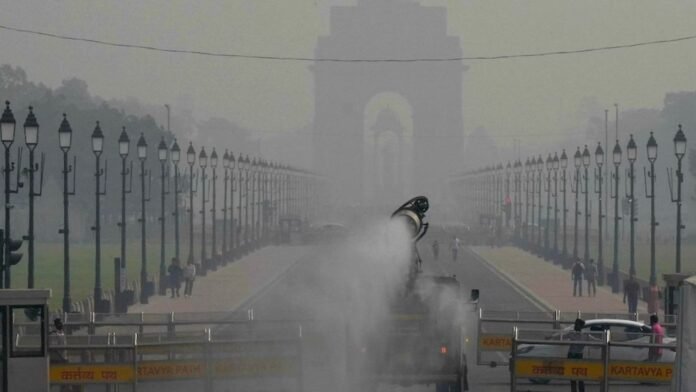
Stricter pollution control measures are expected to take effect as air quality worsens in Delhi and neighboring regions with winter’s onset. The Commission for Air Quality Management (CAQM) has revised rules under the Graded Response Action Plan (GRAP) to prevent further air quality deterioration.

Revised GRAP Framework

The new rules bring restrictions from the GRAP-IV stage under GRAP-III, currently enforced in the national capital. This revision represents a significant shift in pollution management strategy, introducing more stringent measures at earlier air quality threshold levels.

Work-from-Home Provisions

Delhi and other NCR state governments must decide on allowing public, municipal, and private offices to operate at 50% capacity, with remaining staff working from home, the CAQM stated. The central government may also decide on permitting work-from-home arrangements for central government office employees.

Winter Pollution Patterns

The timing of these revisions coincides with winter’s arrival, traditionally Delhi’s most challenging period for air quality. Seasonal factors including temperature inversions, crop stubble burning in neighboring states, firecracker emissions, and vehicular pollution combine to create hazardous air quality levels during colder months.

GRAP Implementation History

The Graded Response Action Plan (GRAP) operates on a four-stage framework, with progressively stringent measures implemented as air quality declines. GRAP-I applies to “poor” air quality (AQI 201-300), GRAP-II to “very poor” (AQI 301-400), GRAP-III to “severe” (AQI 401-450), and GRAP-IV to “severe plus” conditions (AQI above 450).

Multi-Jurisdictional Coordination

The revised rules require coordination across multiple government levels—state governments in the National Capital Region, the central government, and various municipal bodies. This multi-layered approach reflects the regional nature of Delhi’s air pollution crisis, which transcends administrative boundaries.

Impact on Economic Activity

The 50% office capacity restriction could significantly impact economic activity across Delhi-NCR, affecting millions of employees in public and private sectors. However, authorities argue such measures are necessary to reduce vehicular emissions and minimize outdoor exposure during severe pollution episodes.

Anticipatory Action

The CAQM’s preemptive revision of GRAP rules demonstrates a shift toward anticipatory rather than reactive pollution management, aiming to prevent air quality from reaching crisis levels rather than responding after deterioration occurs.

Implementation details and specific timelines for these revised measures await formal announcements from respective government authorities.

About Wing Commander Namansh Syal who died at Tejas Jet Crash in Dubai

0
Namansh Syal
Namansh Syal

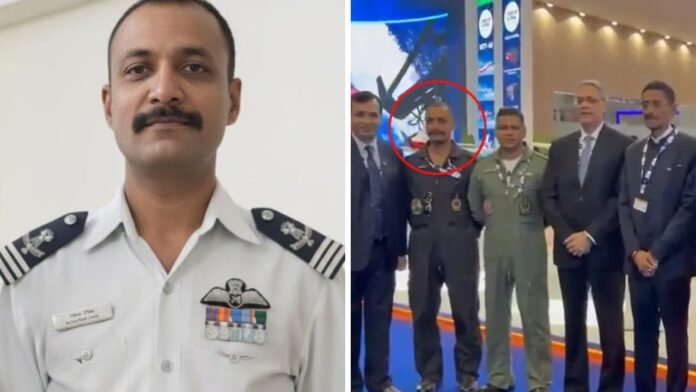
Himachal Pradesh’s Patialakad village in Nagrota Bagwan was engulfed in grief after Wing Commander Namansh Syal, 34, of the Indian Air Force, was killed when an IAF Tejas fighter jet crashed in the United Arab Emirates Friday during the Dubai Airshow 2025. The indigenous aircraft went down during a practice and demonstration flight at the prestigious event in the afternoon local time.

Namansh Syal’s Background

Wing Commander Syal, a Nagrota Bagwan resident known for discipline and exceptional service record, completed schooling at Sainik School, Sujanpur Tira, in Hamirpur district. He is survived by his aged parents, his wife—an Indian Air Force officer—and their six-year-old daughter.

His father, Jagan Nath, a retired Army officer who later served as principal in the Himachal Pradesh Education Department, and his mother Bina Devi were in Hyderabad to meet their son and daughter-in-law when the tragedy occurred. The Syal family home had been locked for several days.

Tejas Jet Crash Details

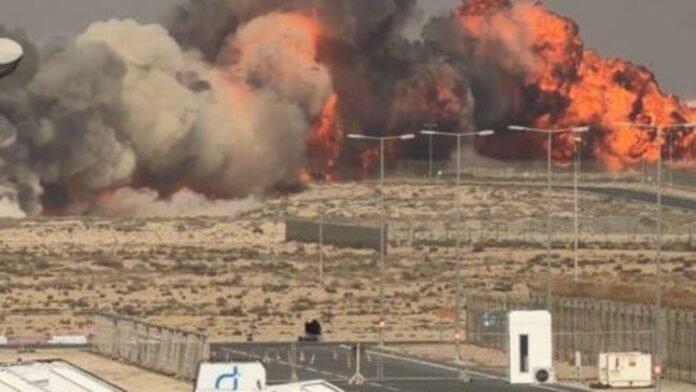
Visuals aired on multiple TV channels showed the Tejas jet losing altitude before hitting the ground and erupting into a massive fireball. Thick smoke billowed from the crash site, leaving Dubai Airshow spectators stunned.

Community Response

News of the fatal crash sent waves of grief across Kangra valley, with villagers gathering outside the family home late into the cold night. Many sat in shock, lighting a bonfire for warmth as they tried to comprehend the loss of their brave son.

Official Condolences

Chief Minister Sukhvinder Singh Sukhu expressed profound sorrow, saying the nation had lost a courageous and dedicated pilot. He stated Wing Commander Namansh Syal’s bravery and unwavering commitment to the nation would always be remembered, extending heartfelt condolences to the grieving family.

Awaiting Final Arrangements

Details of Wing Commander Syal’s last rites are yet to be finalized. The tragedy has deeply impacted both the local community and the broader Indian Air Force family, highlighting the risks faced by military aviators during demonstration flights.

Indigenous Aircraft Program

The crash involving the Tejas—India’s indigenously developed light combat aircraft—occurred during a high-profile international event meant to showcase the country’s aerospace capabilities. The incident raises questions about the circumstances leading to the crash, with investigations expected to determine the technical or operational factors involved.

The loss underscores the sacrifices made by military personnel in service to the nation.

Delhi Blast Probe Reveals 2-Year Plot for Multi-City Serial Attacks, Self-Funded Terror Module

0
Delhi blast
Delhi blast

Delhi Blast Probe: Investigation into the Delhi blast case has uncovered a meticulously planned conspiracy by a Jaish-linked white-collar terror module to execute attacks across multiple Indian cities. A key accused has confessed the plot was hatched in 2023, sources told NDTV, as investigators decode the conspiracy behind the devastating explosion.

Delhi Blast Details and Casualties

At least 13 people died in the blast inside an i20 car near the Red Fort, believed to be a panic detonation while the larger conspiracy involved serial blasts. Dr. Muzammil Shakeel, an associate of suicide bomber Umar Mohammad, claimed during National Investigation Agency interrogation he had been preparing for two years, collecting explosives, remotes, and bomb-making materials.

Material Procurement

The doctor was tasked with purchasing urea and ammonium nitrate—compounds that explode when mixed with volatile substances and externally detonated. Muzammil purchased 26 quintals of NPK fertilizer for Rs 3 lakh from Gurugram and Nuh in Haryana. Other explosive materials came from Nuh while electronic components were bought from two Faridabad markets. He also purchased a deep freezer to store chemicals in stable conditions.

Umar was responsible for processing fertilizer for explosives and arranging chemicals. A flour mill used by Muzammil to grind urea has been recovered.

Self-Funded Operation

The terror module raised Rs 26 lakh cash for purchasing explosive materials, sources said. Umar contributed Rs 2 lakh himself, Muzammil provided Rs 5 lakh, while Adil Rather and Muzaffar Rather contributed Rs 8 lakh and Rs 6 lakh respectively. Shaeen Saeed from Lucknow added Rs 5 lakh.

Sources confirmed a fight erupted between Umar and Muzammil at Al Falah University over money, after which Umar gave Muzammil his Red EcoSport car, later recovered from Faridabad.

International Connections

Muzammil admitted buying an AK-47 rifle for Rs 6.5 lakh, recovered from Adil Rather’s locker. He confessed their handlers’ names: Mansoor (his handler) and Hashim (Umar’s handler), both operating under Ibrahim’s directives.

Muzammil, Adil, and Muzaffar traveled to Turkey on instructions from Okasa, associated with Tehrik-e-Taliban Pakistan (TTP), planning to enter Afghanistan. Their handler backed out after making them wait nearly a week.

Sophisticated Planning

Umar studied bomb-making videos and literature online before purchasing explosive materials. Investigators believe findings point to multi-location blast conspiracy with simultaneous attacks planned across different locations, with multiple foreign links and domestic modules emerging during investigation.

With IPO Slated for Early December, Meesho Sets Sights on $6 Billion Valuation

0
Meesho

Meesho Ltd. is preparing for a public listing in early December and is aiming for a valuation close to fifty three thousand crore rupees, which comes to roughly six billion dollars. The company is positioning itself among several Indian firms rushing to take advantage of the strong momentum in the country’s IPO market.

According to information shared with Bloomberg News by people familiar with the matter, Meesho has been holding discussions with SBI Funds Management regarding a possible pre IPO investment. These individuals, who asked not to be identified because the talks are private, said that such a placement could change the final size of the public offering. The IPO was initially expected to be around six thousand crore rupees, although that figure may shift as the conversations continue.

Those familiar with the situation also suggested that the timelines and overall structure of the deal are still being negotiated, meaning nothing is fully finalised yet. Both Meesho and SBI Mutual Fund have not responded to requests for comment, and the details have not been independently confirmed by HT dot com.

Based on the draft red herring prospectus filed by Meesho, the IPO will include a fresh issue of shares worth forty two thousand five hundred crore rupees, along with an offer for sale of more than seventeen crore shares by current investors. The company reported free cash flow of one thousand thirty two crore rupees in the financial year that ended on March thirty first, twenty twenty five, which is the highest figure recorded among India’s publicly listed e commerce players.

The deal is being advised by Kotak Mahindra Capital, Axis Bank, and the Indian branches of JPMorgan Chase, Morgan Stanley, and Citigroup, all of whom are named in the draft prospectus.

Meesho, known especially for its strong user base in India’s smaller cities and towns, is joining a wave of companies turning toward public markets at a time when investor interest in Indian listings is exceptionally high. Data compiled by Bloomberg shows that domestic firms have already raised nearly nineteen and a half billion dollars this year, following an unprecedented twenty one billion dollars in twenty twenty four.

Vijay’s Final Film ‘Jana Nayagan’ Audio Launch Set for Malaysia on December 27

0
Jana Nayagan
Jana Nayagan

The makers of director H. Vinoth’s action entertainer ‘Jana Nayagan’—actor Vijay’s final film—announced Friday that the audio launch will take place in Malaysia on December 27. The much-anticipated event is scheduled at Bukit Jalil Stadium in Kuala Lumpur, marking Vijay’s return to Malaysia after three years.

Producer’s Emotional Tribute

Jagadish Palanisamy, co-producer of ‘Jana Nayagan’, penned an emotional note for the occasion: “From the days I sat starstruck in the crowd at the ‘Nanban’ audio launch, to working on countless audio launches for you, and now building up to your #OneLastDance – ‘Jananayagan’ audio launch… this journey has been nothing short of extraordinary. After three years, the moment we’ve all held so close to our hearts is finally here. For me – and for everyone else – this is more than an audio launch. It’s an emotion. Thank you, anna. Malaysia… see you soon. #JanaNayaganAudioLaunch”

Nostalgic Video Montage

To build anticipation, the makers unveiled a beautifully crafted video montage journeying through Vijay’s most iconic on-screen moments—from ‘Khushi’ and ‘Ghilli’ to ‘Sachein’, ‘Pokiri’, ‘Vettaikaran’, ‘Thuppakki’, ‘Theri’, ‘Mersal’, ‘Bigil’, ‘Master’, and ‘Leo’.

Fan Testimonials

The video features Malaysian fans sharing deeply personal stories about Vijay’s impact. One fan fondly recalled loving him since childhood—”Who won’t like Anna?” Another called him a lifelong inspiration source. A young woman movingly revealed she has no family and considers Vijay her brother, crediting his words for helping her survive toughest moments. Fans expressed unanimous excitement, sharing they would like to see him in person and hear him narrate a “Kutty Story” live.

Jana Nayagan Film Details

Directed by H. Vinoth, ‘Jana Nayagan’ features an ensemble cast including Bobby Deol, Pooja Hegde, Mamitha Baiju, Prakash Raj, and Gautham Vasudev Menon. Produced by Venkat K. Narayana under KVN Productions, the film is set for global release on January 9, 2026, timed for Pongal.

Historic Significance

‘Jana Nayagan’ marks the final chapter of Thalapathy Vijay’s illustrious film journey, making this audio launch not just a celebration but a historic moment for fans worldwide as they bid farewell to one of Tamil cinema’s biggest stars.

Eyewitness Account: Tejas Fighter Jet Crash at Dubai Air Show Kills Wing Commander Namansh Syal

0
Dubai Air SHow
Dubai Air SHow

Dubai Air Show: A Dubai Air Show attendee captured the tragic moment a Tejas fighter jet crashed during a flying demonstration, erupting into flames and sending thick black smoke skyward. The crowd at Al Maktoum International Airport, gathered for the air show, jumped from their seats to witness and record the incident on mobile phones.

Eyewitness Account At Tejas Fighter Jet Crash at Dubai Air Show

Abu Bakr, a real estate advisor attending the Dubai Air Show due to his aviation interest, captured the Tejas aircraft’s final moments before impact. His video shows the single-seat Light Combat Aircraft (LCA) executing a negative G turn before slamming into the ground.

“The jet started to go lower and lower. We thought the pilot would pull up the jet, but it crashed on the spot,” Bakr recalled.

The plane crashed around 2:10 PM local time, according to eyewitnesses and media-sourced videos. “Onlookers were left in shock, it was unbelievable,” Bakr said.

Technical Analysis of Crash

The aircraft transitioned from a negative G maneuver into a roll—an aerobatic display maneuver. However, it was flying at very low altitude during this stage, and the roll wasn’t a snap or quick roll that could have enabled horizontal flight entry.

The aircraft lost altitude during the maneuver. By the time wings leveled after completing the barrel roll, the vertical descent speed was too high, causing the aircraft to smash into the ground.

What is Negative G Maneuver

Negative G in aviation refers to forces acting on aircraft and contents opposite to normal gravity, typically experienced during aerobatic maneuvers, sudden descent, or severe turbulence. If improperly managed, negative G can cause disorientation or loss of consciousness due to blood pooling in the head. Pilots undergo specific training to manage and mitigate negative G force effects.

Pilot Identified

Wing Commander Namansh Syal, the 34-year-old Indian Air Force pilot, died in the crash. A native of Patiyalkar village in Kangra district, Himachal Pradesh, he is survived by his wife—also an IAF officer—their six-year-old daughter, and his parents.

Syal completed schooling at Sainik School, Sujanpur Tira, in Hamirpur district, according to PTI. His father, Jagarnath Syal, served in the Indian Army before working as an education department principal, ANI reported.

Pictures and videos show the fighter jet engulfed in flames, then covered in thick black smoke, with wreckage showing charred, mangled remains.

US Raises Immigration and Border Fees from January 2026. Here’s How Indians Will Be Affected

0
US
US

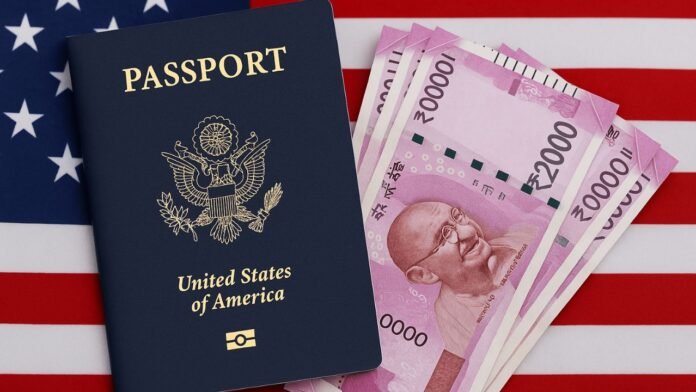
The United States (US) will increase immigration and border-related fees starting January 1, 2026, the Department of Homeland Security (DHS) announced. These changes represent mandatory annual adjustments required under the “One Big Beautiful Bill,” officially known as HR-1, which mandates DHS update certain immigration-related fees annually to reflect inflation.

Affected Fee Categories

The department announced inflation-adjusted costs for the Electronic Visa Update System (EVUS), Electronic System for Travel Authorization (ESTA), and parole charges for non-citizens temporarily allowed into the United States. Travelers in these categories may expect modest travel expense increases when visiting the US.

Parole Fee Increase

The parole fee, allowing foreign nationals to enter and stay in the US for limited periods without visa or official admission status, will increase to $1,020 from $1,000 on January 1, 2026. The Immigration and Nationality Act (INA) grants the Secretary of Homeland Security authority to temporarily parole immigrant applicants for urgent humanitarian grounds or significant public benefit.

ESTA Fee Adjustment

The ESTA fee will increase by $0.27, from $40 in fiscal year 2025 to $40.27 in fiscal year 2026. However, this change will not affect Indian citizens, as India is not part of the US Visa Waiver Program. ESTA is required only for travelers from participating countries.

EVUS Fee Change

The Electronic Visa Update System fee will increase from $30 to $30.75. This system applies only to Chinese citizens holding B-1 or B-2 visas who need to periodically update their information.

Form I-94 Remains Unchanged

The DHS announced that Form I-94 application fees, also known as Arrival and Departure Forms, will remain unchanged at $30. This form is required for certain overseas visitors gaining entry into the US.

Legal Basis for Adjustments

Fee increases are part of annual adjustments mandated by law to account for inflation. HR-1 established minimum fees for fiscal year 2025, with requirements that future costs be adjusted annually according to the Consumer Price Index for All Urban Consumers.

Impact on Travelers

These inflation-related measures will impact travelers and immigration service applicants, who will experience slight increases in travel expenses. While adjustments are modest, they reflect ongoing efforts to align immigration-related fees with current economic conditions and administrative costs.

Delhi’s Winter Smog Fuels Rise in Joint Pain and Arthritis Cases, Doctors Report

0
Arthritis
Arthritis

As temperatures plummet and smog engulfs the national capital, doctors are witnessing a surge in patients suffering joint pain and arthritis flare-ups. Orthopedic specialists report consultations for chronic joint issues have noticeably increased over the past two months, a trend linked to the combined effects of cold weather and polluted air.

Scientific Evidence Links Pollution to Arthritis

A 2025 European Medical Journal study found long-term exposure to fine particulate matter (PM2.5) can increase arthritis development risk by 12-18%, strengthening concerns that Delhi’s winter pollution is worsening joint pain and inflammation.

Cold Weather’s Impact on Joints

Cold temperatures cause muscles around joints to tighten and tissues to contract, slowing blood flow and increasing stiffness, especially in people with Osteoarthritis (OA) and Rheumatoid Arthritis (RA). Many patients report more discomfort during early morning or late evening when temperatures drop sharply.

Simultaneously, air pollution acts as a hidden trigger. Research shows PM2.5 particles cause systemic inflammation, raise CRP levels, and accelerate long-term joint damage. When poor air quality and cold temperatures occur together, the impact on joint health becomes significantly worse.

Medical Professionals Observe Increasing Cases

Dr. Arvind Mehra, Senior Director & Head of Orthopaedics & Trauma at Paras Health, Gurugram, stated: “Over the past several weeks, we’ve seen more arthritis issues, especially with older people and those who already have joint problems. Cold temperatures reduce blood supply around the joints, making them stiffer, while inhaled pollutants stimulate inflammatory pathways that can worsen pain and swelling.”

“For patients with osteoarthritis or rheumatoid arthritis, this combination of cold and toxic air acts almost like a biological stress test on the body,” he added.

A Rheumatology longitudinal study found even pollution levels below common safety limits were associated with increased inflammatory activity and arthritis flares in RA patients, suggesting air pollution may play roles in immune system dysfunction and oxidative stress.

Long-Term Health Concerns

Dr. Simon Thomas, Director and Head of Robotic Joint Replacement & Reconstruction at Max Healthcare, noted: “Tiny air particles such as PM2.5 don’t just affect our lungs; they also get into our blood, which can cause body-wide swelling and speed up joint problems.”

“We’ve seen over time that people living in heavily polluted areas tend to heal more slowly after joint surgery and have their joint pain return more often.”

Recommended Management Strategies

Doctors recommend monitoring AQI, limiting outdoor exposure on polluted days, maintaining indoor physical activity, using air purifiers, staying warm, and seeking timely medical care when symptoms increase.

Trump Administration Rolls Out Proposal for Fresh Oil Drilling Off the Coasts of California and Florida

0

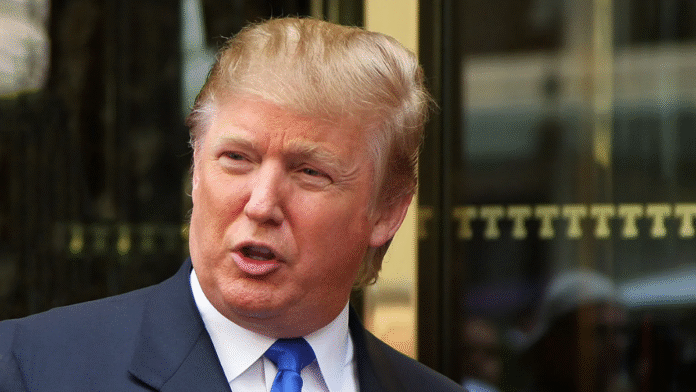
The Trump administration unveiled a major policy shift on Thursday, announcing that oil drilling will resume off the coasts of California and Florida for the first time in decades. The decision is being framed as part of President Donald Trump’s effort to expand domestic oil production, even as critics warn that the move threatens coastal ecosystems and the communities that rely on them.

For years, the oil industry has sought permission to explore new offshore regions, including Southern California and areas near Florida. Federal waters in the eastern Gulf of Mexico, which include parts of Florida and Alabama, have been closed to drilling since 1995 because of fears surrounding oil spills. While California still has some offshore rigs from earlier decades, no new federal leases have been issued there since the mid nineteen eighties.

In his second term, President Trump has abandoned the climate priorities of former President Biden and has instead focused on what he calls national energy dominance. He has created a National Energy Dominance Council and ordered agencies to accelerate fossil fuel production. Trump recently dismissed climate change as a global deception and has canceled large clean energy grants while blocking development of projects such as offshore wind farms.

Even before this plan became public, California Governor Gavin Newsom condemned it and warned that the proposal was unacceptable. He declared it “dead on arrival” as soon as reports surfaced. The political climate in Florida is also expected to push back strongly, as both states rely heavily on tourism and clean coastlines.

Under the new plan, the federal government intends to conduct six offshore lease sales between 2027 and 2030 along the California coast. A separate proposal targets areas at least one hundred miles from the Florida shoreline. These zones sit next to the Central Gulf of Mexico, where thousands of wells are already in operation. More than twenty lease sales are planned off Alaska’s coast as well, including a region in the High Arctic located deep in the Arctic Ocean.

Interior Secretary Doug Burgum said that any production from the newly leased areas would take many years to reach fuel markets. He argued that the long term leasing strategy is necessary to safeguard American energy leadership and protect jobs in the offshore industry.

Leaders in the oil and gas sector celebrated the announcement. The American Petroleum Institute described the plan as a milestone that could unlock enormous resources. Industry groups also pointed to California’s long history of oil production and said the state already possesses much of the infrastructure needed to expand operations.

Opposition to the plan, however, remains intense. Florida Senator Rick Scott, who played a key role in stopping a similar effort in 2018, has again voiced strong resistance. He and Senator Ashley Moody recently introduced legislation that would preserve the state’s existing drilling moratorium. Scott emphasised that the beauty of Florida’s beaches is central to the state’s economy and must be protected.

A spokesperson for Governor Newsom said that California had not yet received official details from federal officials but maintained that offshore drilling poses unacceptable risks to coastal communities. California’s long standing resistance to such projects grew after the devastating Santa Barbara spill in 1969, and efforts to strengthen protections increased following another spill near Huntington Beach in 2021. Newsom has backed federal legislation that would permanently ban new offshore drilling along the West Coast.

One company based in Texas is attempting to revive production near Santa Barbara in an area damaged by a spill in 2015. The Trump administration has highlighted this proposal as an example of the type of project it wants to encourage as regulatory barriers are removed.

On the first day of his second term, Trump revoked Biden’s order that halted future offshore drilling on both the Atlantic and Pacific coasts. A federal court later overturned Biden’s decision to block more than six hundred million acres of federal waters from future development.

Environmental advocates and several lawmakers have warned that the consequences of new leasing could be severe. Leaders such as Senator Alex Padilla and Representative Jared Huffman said that opening up these waters to drilling would endanger national security, harm tourism, threaten wildlife, and place coastal residents at risk. They stressed that a single major spill could cost taxpayers billions in cleanup efforts and ecological recovery.

Environmental groups echoed those concerns. Joseph Gordon of Oceana said the new plan creates a scenario ripe for disaster and that coastal towns cannot afford another catastrophic spill. He argued that many communities depend on healthy oceans for their livelihood and cultural identity, and that this decision puts those values in danger.

Foxconn and OpenAI Announce Collaboration on AI Hardware Design and US Manufacturing

0
Foxconn
Foxconn

OpenAI has entered into a major partnership with Taiwan’s leading electronics manufacturer Foxconn to jointly create and produce essential hardware for artificial intelligence data centers in the United States. The collaboration is part of a broader effort to strengthen American AI infrastructure at a time when demand for computing power is rapidly accelerating.

According to statements released by both companies, Foxconn will work closely with OpenAI to co-design and assemble advanced racks for AI data centers. These systems will be produced in Foxconn’s American factories, which include facilities in Wisconsin, Texas, and Ohio. The equipment will cover areas such as cabling, power management systems, and network components. OpenAI will have priority access to review the new products and the option to purchase them once development is complete. Both companies clarified that the initial agreement does not involve financial commitments or specific purchase guarantees.

Foxconn, officially known as Hon Hai Precision Industry, has been steadily expanding beyond contract electronics manufacturing. It has invested in electric vehicle development and acquired various companies to diversify its technology portfolio. At Friday’s event, the company showcased its Model A electric vehicle, described by Foxconn executive Jun Seki as an attempt to make EVs more affordable.

Representatives from Nvidia also highlighted the significance of the partnership for Taiwan. Nvidia vice president Alexis Bjorlin noted that the collaboration will allow Taiwan to strengthen its domestic computing capabilities while ensuring that sensitive technology and data stay within the region.

OpenAI chief executive Sam Altman said the initiative reflects a broader effort to ensure that the most critical technologies of the AI era are designed and manufactured within the United States. He added that the partnership will contribute to maintaining American leadership in the sector and help spread the benefits of AI more widely.

The collaboration arrives at a moment when OpenAI is undertaking an unprecedented investment program. The company has announced plans to spend around one trillion four hundred billion dollars on data centers and computing capacity in the coming years. It has already formed large-scale partnerships with Nvidia, AMD, and Broadcom to secure the hardware needed for its rapidly growing AI models. Investors, however, have expressed concern about whether these costs can be recovered in the long term. Altman recently stated that OpenAI expects to surpass twenty billion dollars in annual revenue this year and could reach several hundred billion by the end of the decade.

Foxconn has also benefited from the global surge in interest surrounding AI. Its shares in Taiwan have climbed roughly twenty five percent since the beginning of the year. The company’s quarterly results showed a seventeen percent rise in profit compared to last year, largely driven by strong performance in its cloud and networking divisions, which include the production of AI servers.

Chairman Young Liu said during Foxconn’s earnings call that the significance of artificial intelligence in the global tech market is growing rapidly. He added that he is confident the coming year will bring even stronger partnerships with major clients and continued expansion of the company’s AI related business.