Home Blog Page 44

Following Flak, Allu Arjun Assures More Assistance for Pushpa 2 Stampede Victim; Dil Raju Notes ₹3.20 Crore Already Donated

0
Allu Arjun
Allu Arjun

A new round of discussions has taken place regarding the Pushpa 2 stampede case after Sritej’s father, Bhaskar, spoke publicly about the difficulties he faced in securing continued help for his son. His comments prompted a response from both Allu Arjun’s team and Telangana Film Development Corporation chairman and producer Dil Raju, who met the family and clarified the support already provided.

In a video released to the media, Arjun’s representatives explained that the actor and his father, Allu Aravind, had extended substantial financial assistance over the past year. According to Dil Raju, the family received a total of ₹3.20 crore, including ₹1.5 crore secured as a fixed deposit in the child’s name. He added that Arjun himself contributed ₹2 crore, structured in a way that ensures the family receives a monthly income of about ₹75,000, meant to cover treatment and daily needs through annual interest.

Raju also detailed that additional funds, estimated at around ₹70 lakh, were used for immediate medical requirements and to help stabilise Sritej’s long-term future. While the boy is recovering, Bhaskar recently approached the team again seeking further support for rehabilitation. Raju confirmed that he had spoken with the family and promised to coordinate additional help with Allu Aravind.

Bhaskar appears in the same video acknowledging that Allu Arjun and his family had been supportive since the tragedy but said he required further assistance for the coming months. He explained that doctors have recommended extended rehabilitation for the child and that this need had now been approved by Arjun’s team. Raju assured him that medical expenses will be covered for as long as the treatment requires, even if it extends beyond a year.

The accident occurred on December 4, 2024, at Sandhya Theatre in Hyderabad during the premiere of Pushpa 2: The Rule. A surge in the crowd as Arjun arrived led to a stampede that claimed the life of Revathi and left her young son, Sritej, critically injured. Several people were hurt, and legal action followed, leading to the arrest of Arjun, members of his staff, and theatre officials. All were later released on bail. At the time, Arjun and his father had publicly committed to supporting the injured child.

The issue drew renewed attention this week when Bhaskar’s comments circulated widely, prompting questions about whether the promised help had stalled. Producer Bunny Vas addressed the matter at a press interaction, noting that Dil Raju had stepped in to resolve the concerns and ensure the family continued receiving support.
Farmers Benefit as Punjab Govt’s Quick Measures Push Cotton Prices Beyond ₹7,500 From ₹5,700

0
Punjab
Punjab

Punjab’s cotton belt has witnessed a major turnaround this season, largely due to the swift and decisive action of Chief Minister Bhagwant Mann’s administration. Farmers, who at one point feared heavy financial losses, are now receiving prices that nearly match the Minimum Support Price. This shift did not happen on its own but through deliberate intervention by the state government.

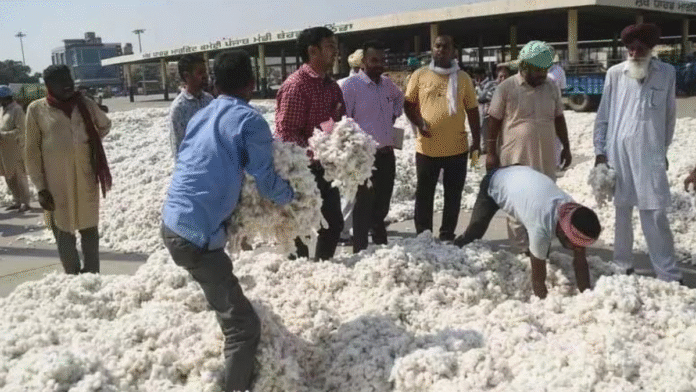
The improvement in cotton prices became visible only after the Cotton Corporation of India was pushed into action. The Punjab government contacted the agency as soon as the market situation began deteriorating. Once CCI entered the mandis and began purchasing in substantial quantities, traders increased their bids, and the market stabilised. According to the Punjab Mandi Board, narma cotton is now fetching over ₹7,500 per quintal, moving close to the MSP of ₹7,710. Desi varieties have also risen in tandem, offering much-needed relief to farmers.

This sharp rise was a dramatic contrast to the early weeks of the marketing season. When the first lots arrived, private buyers were quoting only ₹5,700 to ₹6,800 per quintal. These figures caused widespread anxiety because they were far below MSP. The state government responded immediately, acting on the Chief Minister’s directive to ensure that no grower would be forced to sell at distress prices.

A key reason for the renewed confidence among cotton farmers has been the increase in actual procurement. Last year at this time, CCI’s presence in Punjab was negligible. This season tells a very different story. More than 35,000 quintals have already been purchased by the agency, compared with only 170 quintals during the same period last year. Such active procurement has created a positive market sentiment, preventing prices from crashing further.

Another encouraging trend is that cotton arrivals have exceeded the previous year’s total by more than one lakh quintals, even though several districts suffered heavy rain and flooding. Farmers have continued investing in cotton, and the present outcome shows that they trust the state government’s agricultural policies. More than 2,30,000 quintals of cotton had been sold by December 1, and while a majority of it was initially purchased below MSP, the arrival of CCI completely reversed that scenario.

At the heart of the government’s strategy is a simple principle: farmers must never be left vulnerable to market fluctuations. Ensuring that their crops fetch fair prices and that their income remains secured has been a central priority for the Mann administration. By stepping in quickly at a critical moment, the government demonstrated that it is fully prepared to take strong action whenever farmers’ livelihoods are at stake.

Punjab’s growers now stand on firmer economic ground, and the agricultural community sees this episode as a clear sign of a government committed to their prosperity and dignity.

IndiGo Flight Chaos Across India: Reasons Behind the Widespread Cancellations Explained

0
IndiGo

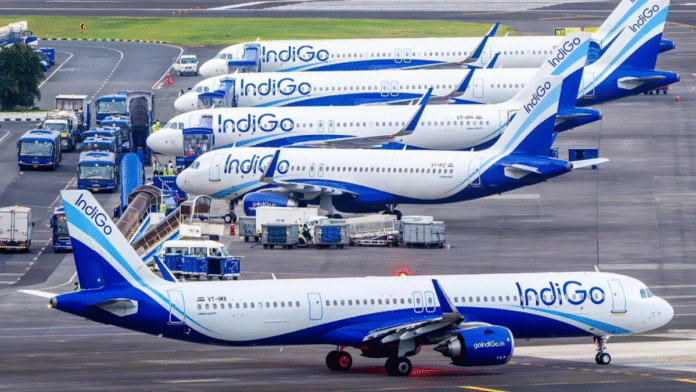
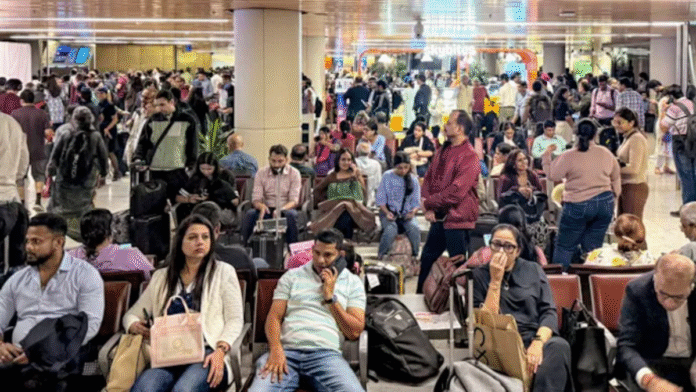
Airports across the country are witnessing growing disorder as IndiGo’s operations continue to falter. Terminals are packed with restless passengers, long lines stretch across check-in areas, and frustrated travellers plead for answers at service counters. With flights repeatedly cancelled or delayed, India’s biggest airline has left thousands waiting for hours, turning the fourth consecutive day of disruptions into a nationwide ordeal.

IndiGo’s troubles have snowballed into a full-scale crisis, with the airline pointing to a mix of technical snags, winter scheduling shifts, airport congestion and weather issues. Yet industry experts say the turning point was the enforcement of the updated Flight Duty Time Limitations, which introduced stricter rest periods and tighter rules around night flying to prevent crew fatigue.

Although these norms were announced in early 2024, they were not actively implemented until now. The changes required pilots to take 48 hours of weekly rest instead of 36, restricted night landings to just two per week and expanded the night-duty window. With the airline already stretched by its winter schedule expansion on October 26, a large number of crew members suddenly became unavailable once the new requirements took effect.

The pressure grew worse after a software advisory for Airbus A320 aircraft delayed several flights over a weekend, pushing many services past midnight. What began as routine delays quickly spiralled into widespread cancellations once mandatory rest rules were triggered.

IndiGo’s massive size has magnified every setback. Operating more than 2,200 daily flights, the airline feels the impact of even the smallest disruption. A minor mismatch between rosters and crew availability can leave hundreds of flights grounded within hours. Delhi alone saw more than 200 cancellations on Friday, Bengaluru lost over 100 services, and Hyderabad recorded nearly the same. Across India, over 600 flights were cancelled in just two days.

Pilot groups argue that the airline failed to prepare for a rule change it knew was coming. They point to years of cost-cutting, minimal staffing buffers, slow hiring and scheduling patterns that ignored evolving fatigue norms. According to unions, other carriers updated their planning in advance and have avoided major problems, while IndiGo is now seeking relief from rules meant to keep flying safe. Regulators are also facing questions for approving IndiGo’s winter schedule without thoroughly assessing its pilot availability.

Meanwhile, passenger frustration continues to mount. Travellers report spending entire nights at airports waiting for updates that never arrived, only to have flights cancelled hours later. IndiGo’s on-time performance collapsed to under 20 percent on Wednesday, a dramatic fall for an airline known for its punctuality.

The carrier has warned that operations may not fully stabilise until February 2026. It is temporarily reducing its schedule and urging travellers to verify flight status before heading to the airport. Pilots, however, are calling on the DGCA to ensure future schedules are approved only when airlines prove they have adequate staffing.

IndiGo transported more passengers than any other Indian carrier last year, but the current crisis has exposed the limits of high-frequency, cost-efficient operations in an environment where stricter rest norms are non-negotiable. For now, the turbulence shows no sign of calming, and the airline faces one of the toughest operational challenges in its two decades of existence.

Putin Lauds PM Modi’s Firm Stance on US Tariffs, Says He Is Not One To Give In to Pressure

0
putin modi

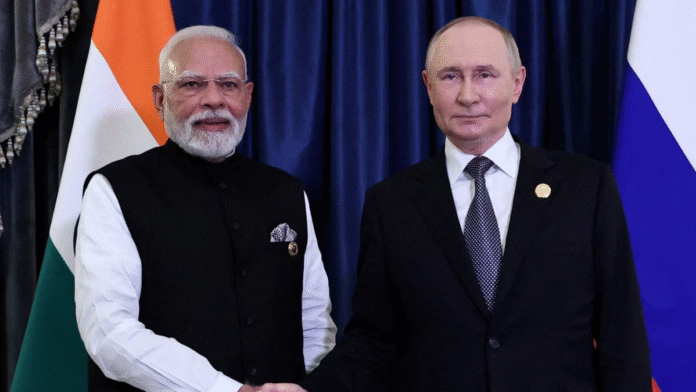
In an interview with India Today shortly before his arrival at Delhi’s Palam airport, Vladimir Putin remarked that India must be seen as a major world power and not as a former British possession. Prime Minister Narendra Modi personally welcomed him upon landing.

Putin spoke at length about the long-standing defence and trade partnership between India and Russia, pointing out that most transactions between the two nations now take place in their own currencies. According to him, this shift reduces dependence on the US dollar and creates a more balanced economic relationship.

When asked about Western attempts to pressure India through sanctions, especially regarding oil trade, Putin responded that the world can no longer address India in the same tone it did seven decades ago. He said India’s independence changed its position permanently and that global players must respect this reality.

He reserved special praise for Prime Minister Modi, describing him as a leader who does not bend easily under outside pressure. Putin said the Indian public has every reason to be proud of a leader whose firm yet calm approach reflects confidence rather than aggression. He added that both countries aspire not to create conflict but to safeguard their legitimate interests.

Putin also spoke about how his association with Modi extends beyond formal diplomacy, describing it as both professional and personal. In his view, Modi sets ambitious goals for himself, his administration, and the entire nation, which makes cooperation between India and Russia particularly meaningful.

He highlighted Modi’s emphasis on indigenous production, noting that the “Make in India” initiative has practical value for bilateral projects. Putin said Modi often brings new ideas to their meetings and frequently proposes fresh areas for collaboration.

As he reflected on Modi’s leadership, Putin remarked that the prime minister’s dedication to India is unmistakable and that the country is fortunate to have him at the helm. He also recalled the deep historical friendship between the two nations, which has continued for more than seventy years.

Putin commented on India’s progress since independence, saying that in just seventy-seven years the country has evolved rapidly and achieved a remarkable level of development in what is, historically speaking, a brief timespan. He noted that as global power dynamics shift, cooperation among major nations becomes increasingly important.

He was also asked about the informal car ride he shared with Modi during the SCO Summit in China earlier this year. Putin explained that the moment was spontaneous, simply a friendly gesture between two leaders who have developed an easy rapport. They talked freely during the ride and continued their conversation until they reached the venue.

This visit marks Putin’s return to India after four years. He was welcomed with traditional cultural performances at the airport before departing with Prime Minister Modi in the same car. The annual summit between India and Russia is scheduled for December 5.

Trump Plans Fresh H-1B Visa Rule Changes, Says Move Is Driven by Free Speech Debate

0
Donald Trump
Donald Trump

The Donald Trump administration has introduced stricter screening procedures for H-1B visa applicants, directing officials to deny visas to anyone found to have participated in restricting free speech. These instructions were detailed in a State Department communication sent to American diplomatic missions on December 2.

The cable, viewed by Bloomberg and first reported by Reuters, warned consular officers to pay special attention to “applicants responsible for or complicit in censorship of Americans.”

The H-1B programme is intended for highly skilled foreign workers and is heavily relied upon by the technology sector, including major social media platforms that Trump has repeatedly criticised over claims of censorship. While the new vetting rules apply to all visa categories, the cable notes that H-1B applicants are more likely to be employed in tech or financial firms that could be associated with limiting protected speech.

This shift in policy follows Trump’s recent promises to further restrict legal immigration after a National Guard member was killed in an ambush near the White House. Earlier this year, the US also introduced a one-time application fee of $100,000 for each H-1B petition.

Under the new guidelines, consular officers are instructed to review applicants’ resumes, LinkedIn profiles, and coverage in industry publications. Activities that could raise concerns include complying with censorship requests from foreign governments or enforcing global content moderation rules that conflict with US standards on free expression.

The State Department has not yet issued a public statement on the policy.

This development comes months after Secretary of State Marco Rubio ordered enhanced review of the social-media presence of foreign applicants seeking to study at Harvard University. At the time, Rubio instructed consular staff that even the absence of an online footprint could justify denying a visa.

IndiGo Cancels Over 300 Flights, Causing Major Disruptions at Delhi, Mumbai, Bengaluru & Hyderabad Airports

0
indigo
indigo

Air travel across India faced severe disruption on Thursday as IndiGo struggled to steady its operations, leading to more than three hundred cancellations in a single day. The ripple effect from earlier disturbances continued, following another round of cancellations on Wednesday, when the airline withdrew over one hundred and fifty flights and cautioned travellers that its network would undergo schedule adjustments for the next two days.

Government data showed a sharp drop in IndiGo’s punctuality, which slipped to under twenty percent on Wednesday, a steep fall from the previous day. The pressure was felt strongest at the nation’s busiest airports. According to an official familiar with the situation, dozens of flights from Delhi, Bengaluru, Hyderabad and Mumbai had to be withdrawn on Thursday. The previous day had seen a similar pattern of cancellations across these hubs.

IndiGo had previously announced that temporary schedule corrections would help restore stability and improve punctuality. The airline claimed that teams on the ground were working continuously to reduce passenger discomfort and offer either refunds or alternate travel options to those affected. However, no fresh statement was issued on Thursday about the status of operations.

What triggered this widespread disruption was a combination of factors. Updated Flight Duty Time Limitations, which came into effect in November, required airlines to overhaul crew rosters. At the same time, a sudden software patch for Airbus A320 aircraft over the final weekend of November interfered with crew assignment systems. IndiGo was already operating under limited flexibility because of the new rest requirements for pilots, and this unexpected technological snag severely strained its scheduling ability.

Regulatory data from the Directorate General of Civil Aviation revealed that November had already been a difficult month for IndiGo, with more than twelve hundred cancellations attributed largely to the new duty-time norms. The airline’s punctuality had slipped significantly from October as a result.

Operational difficulties were further compounded when baggage systems at Delhi’s Terminal 1 and Terminal 3 malfunctioned on Wednesday. Passengers arriving at the airport discovered their flights cancelled at the last minute, and many ended up missing onward connections.

The new duty-time rules were introduced in two stages earlier this year, with the goal of reducing pilot fatigue. Weekly rest periods were increased, night duty hours were expanded, and pilots were allowed fewer night landings. These changes required substantial restructuring of flight patterns across airlines, including IndiGo, which operates one of the largest nighttime networks in the country.

The aviation regulator has begun reviewing the situation. The DGCA summoned the airline to explain the reasons behind the breakdown and present an urgent recovery plan to curb delays and cancellations.

IndiGo remains India’s most expansive airline, with more than two thousand flights daily linking over ninety domestic destinations and dozens of international cities. As of early December, its fleet consisted of more than four hundred aircraft, though a rising number continue to remain grounded.

Pilot groups have also voiced concerns. The Airline Pilots Association of India criticised major carriers for failing to plan adequately for the new regulatory environment and accused them of leaning too heavily on stretched resources.

Aviation experts noted that IndiGo’s size, including its large share of nighttime flights, makes it particularly vulnerable when rest norms change. Analyst Ameya Joshi explained that the airline’s wide network and intense schedule require significantly more buffer to absorb such disruptions, making rapid recovery more challenging.

Mann Government Rolls Out ₹59 Lakh Assistance Package for Livestock and Dairy Farmers After Floods

0
Bhagwant Mann
Bhagwant Mann

Punjab’s dairy sector is entering a new phase of growth, guided by the leadership of Chief Minister Bhagwant Mann. A new initiative has been introduced to support livestock and dairy farmers in the villages of Hoshiarpur and Taragarh. Under this plan, financial assistance totalling ₹59 lakh will be extended to farmers in these regions. The scheme includes ₹17 lakh for Rajpura and ₹42 lakh for Taragarh, which will be used to modernize veterinary services and strengthen the financial stability of rural families involved in dairy farming.

The state government has also made significant progress in assisting dairy farmers throughout Punjab. This year alone, ₹3 crore has been distributed to 204 dairy farmers to help them set up dairy units with two to twenty animals. Along with this, over nine thousand unemployed youths have been trained in dairy farming, enabling them to start their own ventures. Awareness campaigns and seminars have been organised across various districts, educating livestock owners about insurance benefits, claim procedures and good animal health practices.

During a recent review session, Food and Civil Supplies Minister Lal Chand Kataruchak shared that preparations are complete for the upcoming wheat procurement season. It is estimated that Hoshiarpur will contribute over 3.14 lakh metric tonnes of wheat, while Jalandhar, Kapurthala and Shaheed Bhagat Singh Nagar will contribute sizeable quantities as well. He assured that the government remains committed to buying every grain brought by farmers and warned officials against any negligence.

Major changes are also unfolding in Punjab’s milk processing capacity. A project worth ₹135 crore has been launched in the Majha region to significantly boost the production of sterilised flavoured milk and fermented products such as lassi and dahi. This expansion will considerably strengthen Punjab’s position in the dairy market and improve the supply of high-quality products. Upgraded equipment at milk plants will enable faster processing to meet growing demand.

According to Principal Secretary Rahul Bhandari, nearly thirty thousand animals have been insured this financial year and farmers have received a total of ₹7 crore in assistance for animal losses and medical issues. The government has instructed officials to ensure that young people are informed about available schemes and encouraged to take up dairy farming as a stable career option.

Efforts to modernise veterinary services are also progressing rapidly. The Central Government’s program has enabled full funding for Mobile Veterinary Units, which now deliver diagnosis, vaccinations, treatment and minor surgeries directly to farmers through a toll-free service. Strengthening veterinary infrastructure is helping the state manage livestock diseases more efficiently and reduce losses for farmers.

Meanwhile, Verka products are expanding into online marketplaces, giving consumers across the globe easier access to Punjab’s well-known milk, curd and lassi. Branding initiatives, including a new mascot named Veera and a celebrity ambassador, are expected to boost Verka’s national and international visibility. The cooperative is also preparing to introduce new products such as rabri and kaju badam milk, reflecting the organisation’s commitment to innovation while preserving traditional tastes.

Chief Minister Bhagwant Mann recently highlighted that Punjab has attracted more than ₹50,000 crore in investments over the past eighteen months. He emphasized that the state’s peaceful environment and supportive policies are encouraging global companies to invest. A prime example is the Netherlands-based De Heus company establishing a ₹138 crore cattle feed plant in Rajpura, which will supply superior-quality feed and help farmers increase their earnings.

Local dairy farmers have expressed strong appreciation for these measures. A farmer from Hoshiarpur shared that improved veterinary facilities will greatly support livestock owners and enhance their economic stability. Experts have praised the plan to build modern diagnostic laboratories at the district level, especially since many farmers cannot afford private testing. These labs will make timely disease detection and treatment far more accessible.

Through these comprehensive efforts, Punjab is not only restoring its long-standing dairy legacy but elevating it to meet global standards. With fair pricing, new markets in regions such as Delhi and NCR, and continuous support for farmers, the state’s dairy cooperative network is expanding rapidly. These initiatives are helping to increase farmers’ incomes while positioning Punjab as one of the country’s leading dairy producers.

Ahead of Messi’s December 13 Visit, Hyderabad Conducts Review Meeting To Finalise Arrangements

0
Messi
Messi

Authorities in Hyderabad met on Tuesday to review and finalise the preparations for Lionel Messi’s much awaited visit to the city on December 13 as part of the GOAT India Tour 2025. The global football icon is set to stop in four major Indian cities during his tour, allowing supporters in Kolkata, Mumbai, Delhi and Hyderabad to see him up close, according to reports from ANI.

Messi is expected to reach Hyderabad on the evening of December 13, after attending a major celebratory event in Kolkata earlier in the day. His visit has created a wave of excitement among fans in South India, who are looking forward to welcoming the Argentine superstar.

Those present at the planning meeting included Parvathi Reddy, who serves as Chief Patron and Adviser of the Hyderabad segment of the GOAT Tour, along with Satadru Dutta, the Chief Promoter for India. International tour adviser Christopher Flannery, Messi’s personal manager Pablo Negre, and Coordination Committee member Dr Rohin Reddy also participated in the discussions.

The confirmation of Hyderabad as one of the host cities has added to the nationwide buzz surrounding the tour. With this addition, the schedule now includes Kolkata and Hyderabad on December 13, Mumbai on December 14, and Delhi on December 15, covering the eastern, southern, western and northern regions of the country.

Earlier, Telangana chief minister Revanth Reddy formally launched the official poster for the Hyderabad event, signalling the city’s full participation in the upcoming GOAT India Tour festivities.

Parliament Told by Centre That ‘Snooping’ via Sanchar Saathi App Is ‘Not Possible’

0
Jyotiraditya Scindia

During a discussion in the Lok Sabha on Wednesday, Union communications minister Jyotiraditya Scindia firmly dismissed allegations that the Sanchar Saathi mobile application could be used for surveillance. He stressed that the purpose of the app is to safeguard citizens, not to intrude on their privacy. According to him, there is no possibility of the application being misused for snooping, and the government intends only to empower users to protect themselves from fraud.

His clarification came at a time when the Department of Telecommunications has issued an order requiring mobile manufacturers to include the Sanchar Saathi app on all new devices sold in India. The directive, issued on November 28, also instructs companies to make the app visible when a phone is first set up and to ensure that its features remain accessible to users. The same rule applies to existing devices, which are expected to receive the app through software updates.

Despite concerns raised in public debates and on social media, Scindia reiterated that the presence of the app is not compulsory for citizens. Speaking on Tuesday, he emphasised that anyone who does not wish to use the app is free to remove it from their phone. Reports suggesting that the app would be locked or impossible to delete were incorrect, he said, adding that the system is voluntary and meant to help people stay alert against identity theft, fraudulent calls, and other digital threats.

Sanchar Saathi was first introduced as a government portal in May 2023, offering services such as checking the number of mobile connections linked to a person’s identity documents, reporting suspicious numbers, and locating lost or stolen devices. The mobile version of the platform was launched earlier this year to boost the country’s fight against cybercrime.

Check-In Glitch Causes Flight Delays, Air India Confirms ‘Third-Party System’ Now Fully Restored

0
Air India
Air India

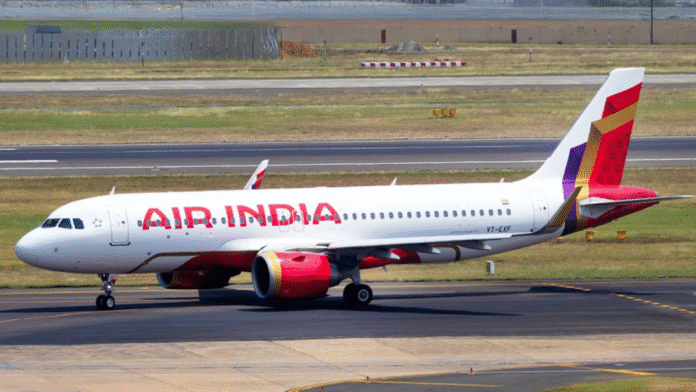
The airline announced on X that its third party system is now fully functional again, and that check in at every airport has returned to normal. All scheduled flights are operating as planned, and the carrier thanked passengers for their patience during the interruption.

This update followed an earlier message in which the airline explained that the technical issue had caused delays for several carriers, including Air India. It also noted that airport staff were working continuously to ensure passengers could check in without difficulty. Even as the system was gradually coming back online, the carrier warned that a few flights might still be delayed until everything stabilised completely.

Air India advised travellers to verify their flight status before heading to the airport and to plan to arrive earlier than usual.

A similar disruption had occurred the previous month in Delhi, where more than four hundred domestic and international flights were delayed because of a malfunction in the Automatic Message Switching System at the Indira Gandhi International Airport. Major airlines such as Air India, IndiGo, and SpiceJet were affected, leading to long queues and slower processing.

The issue was traced to the IP based AMSS system, prompting a review meeting led by the Secretary of the Ministry of Civil Aviation, along with senior officials from the Airports Authority of India. Directions were issued to resolve the problem at the earliest. During the outage, air traffic controllers had to manually prepare flight plans using the information available to them, a process that significantly increased delays.