Home Blog Page 25

‘Positive Momentum’: Indian Envoy, Canadian Minister Hold Talks as Bilateral Ties Strengthen

0
Indian
Indian

India and Canada have signaled their intent to sustain the improving trajectory of bilateral ties, emphasizing continued engagement and cooperation following recent diplomatic exchanges.

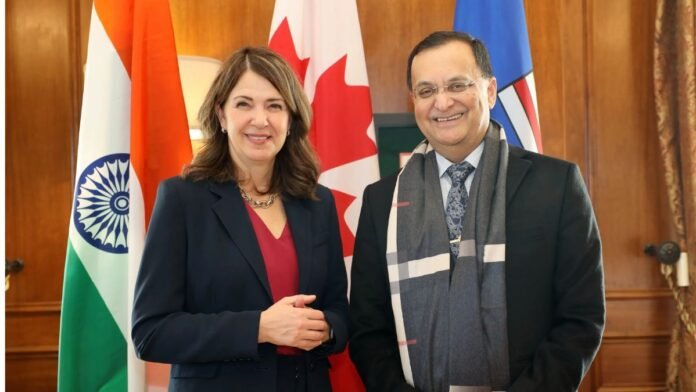
This was highlighted during a meeting in Ottawa on Friday between India’s High Commissioner Dinesh Patnaik and Canada’s Deputy Minister for Foreign Affairs Arun Thangaraj.

Thangaraj, who recently assumed office as the top official in Global Affairs Canada, took over from David Morrison, who has moved into a senior advisory role to the Prime Minister. His position is comparable to that of India’s Foreign Secretary in the Ministry of External Affairs.

According to a statement issued after the meeting, the two sides reviewed the entire scope of India-Canada relations and discussed progress on key initiatives that followed Canadian Prime Minister Mark Carney’s recent visit to India. These include efforts to expand economic cooperation, strengthen people-to-people connections, and enhance collaboration in priority sectors. Both sides agreed to build on the current momentum and maintain close contact going forward.

Carney’s visit to India featured a bilateral meeting with Prime Minister Narendra Modi, during which the two countries agreed to begin negotiations for a comprehensive economic partnership agreement. Talks on this agreement are currently underway, with both sides aiming to conclude them by the end of the year.

Economic ties are expected to gain further traction with the planned visit of India’s Commerce and Industry Minister Piyush Goyal to Canada next month. He is expected to be accompanied by a large business delegation.

Relations between the two countries had sharply deteriorated in September 2023 after then Canadian Prime Minister Justin Trudeau told the House of Commons that there were credible allegations linking Indian agents to the killing of pro Khalistan figure Hardeep Nijjar in Surrey, British Columbia. India strongly rejected the claims, calling them unfounded and politically motivated.

The relationship began to stabilise after Mark Carney took office as Prime Minister in March 2025. He later invited Narendra Modi to the G7 Leaders Summit in Kananaskis and also met him on the sidelines of the G20 Summit in Johannesburg, before his subsequent visit to India earlier this year.
Mojtaba Khamenei Left With Severe, Disfiguring Injuries After Attack: Report

0
Mojtaba Khamenei
Mojtaba Khamenei

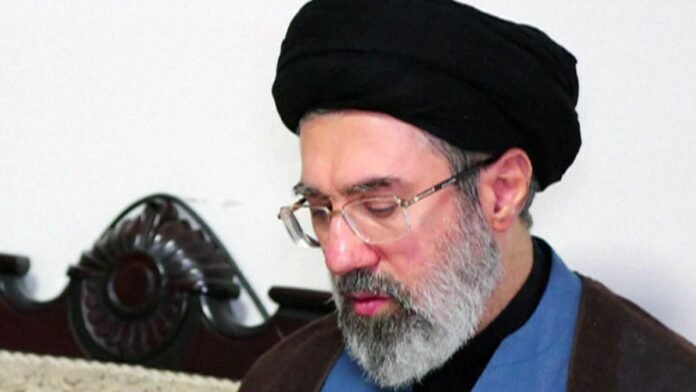
Iran’s Supreme Leader, Mojtaba Khamenei, is reportedly recovering from serious facial and leg injuries sustained in an airstrike at the start of the war that killed his father, former leader Ali Khamenei.

According to a Reuters report citing sources close to his inner circle, US and Israeli forces targeted the Supreme Leader’s compound in Tehran in February. The strike resulted in the death of his father and left Mojtaba Khamenei with significant injuries, particularly to his legs.

The 56-year-old is said to be in the process of recovery but remains mentally alert. Sources indicated that he continues to play an active role in key decisions, including matters related to the conflict and ongoing negotiations, through secure audio communications.

This comes as Iran prepares for talks with the United States in Islamabad, where a senior delegation has arrived. The team includes Foreign Minister Seyed Abbas Araghchi, Parliament Speaker Mohammad Bagher Ghalibaf, along with defense officials, economic policymakers, and lawmakers.

Uncertainty surrounding his condition

There is still considerable uncertainty about Mojtaba Khamenei’s health, location and ability to govern. Reports have suggested that he was unconscious at one stage and undergoing treatment, although no official confirmation has been issued. The absence of any recent public appearances, images, or recordings since the attack has further fuelled speculation.

He was appointed as Supreme Leader on March 8, but has not been seen publicly since then. His first message after the outbreak of the war was delivered through a presenter on state television rather than by him directly.

While there has been no official statement from Iran on the extent of his injuries, some sources cited in intelligence assessments believe he may have lost a leg. Individuals familiar with his circle suggested that visual confirmation of his condition could be released in the coming months, and that a public appearance may follow once his health improves and security concerns ease.

Analysts have noted that, regardless of his recovery, Mojtaba Khamenei may find it challenging to wield the same level of authority as his predecessor. Experts believe it could take time for him to consolidate power and establish influence comparable to that of his father.

Ranjith Granted Bail in Alleged Sexual Harassment Case; Court Orders Passport Surrender

0
Ranjith
Ranjith

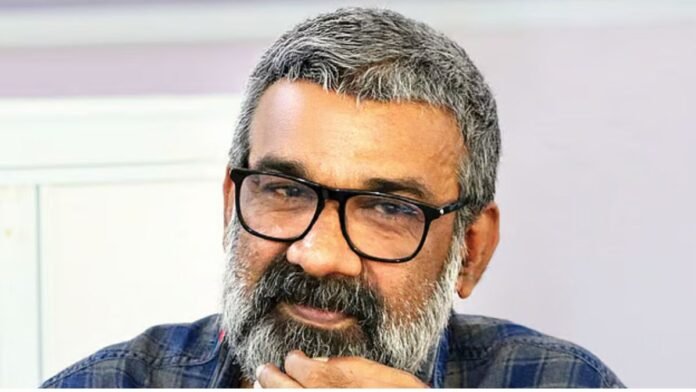
A magistrate court has granted bail to Malayalam filmmaker Ranjith, who was arrested on March 31 in connection with a sexual harassment case. According to PTI, Judicial First Class Magistrate L Usha allowed his release while imposing several strict conditions.

The court directed Ranjith to surrender his passport and barred him from leaving Ernakulam district. He has also been prohibited from entering the Fort Kochi location where the alleged incident took place during a film shoot. In addition, he must execute a bond of ₹1 lakh and provide two solvent sureties of the same amount. The court has further instructed him to appear before the investigating officer every Monday for the next three months or until the charge sheet is filed.

Currently lodged in Ernakulam Sub Jail, Ranjith is expected to be released shortly. During the hearing, the prosecution opposed bail, arguing that he had not cooperated with the investigation. The defence, however, maintained that he had not resisted arrest or custodial questioning and also pointed to his health condition. Taking these factors into account along with the progress of the investigation, the court granted him bail.

Earlier, after being remanded, Ranjith spoke to the media and denied all allegations, calling them false. He expressed confidence that he would be able to prove his innocence. His lawyer also indicated that legal preparations were underway to secure his release.

Kochi City Police Commissioner S Kaliraj Mahesh Kumar said a Special Investigation Team was constituted after the complaint was filed, and the allegations were verified before the arrest.

The case relates to accusations that the filmmaker attempted to sexually assault an actress during a film shoot. A First Information Report was registered on March 28 based on her statement, and Ranjith was later taken into custody from Idukki district.

In her complaint, the actress alleged that he called her into a caravan during the shoot and tried to assault her. Police have registered the case under multiple charges, including sexual assault, wrongful confinement, outraging the modesty of a woman and making obscene gestures.

‘Very Disturbing’: India Slams Bombing That Killed 303 in Lebanon in One Day

0
lebanon attack

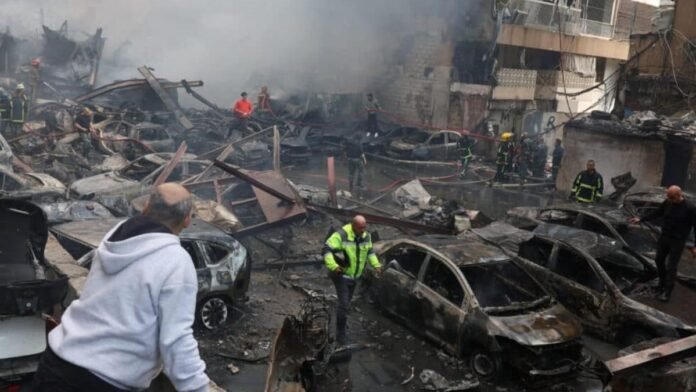
India on Friday voiced serious concern over the high number of civilian casualties in Lebanon, where Israeli forces have carried out sustained airstrikes over the past month. New Delhi stressed the importance of protecting civilians, upholding international law and respecting the sovereignty of nations.

The escalation began after Hezbollah fired rockets at Israel on March 2, following which Israeli forces launched an offensive in southern Lebanon and targeted key infrastructure such as bridges. The ongoing bombardment and ground operations have resulted in around 1,800 deaths and 5,873 injuries in Lebanon. A particularly intense wave of strikes on Wednesday alone left 303 people dead, raising fears about the stability of the recently announced ceasefire between Iran and the United States.

External Affairs Ministry spokesperson Randhir Jaiswal said India is deeply troubled by reports of civilian casualties. He noted that as a contributor to the United Nations Interim Force in Lebanon, India remains committed to peace and stability in the region and views the current situation with serious concern.

While he did not directly mention Israel, his remarks were seen as an uncommon expression of criticism regarding developments in the region. Jaiswal reiterated that adherence to international law and respect for territorial integrity are essential, adding that India has consistently placed the protection of civilians at the forefront of its position.

He also confirmed that the Indian embassy in Beirut is in regular contact with the Indian community in Lebanon, which includes about 1,000 people, to ensure their safety.

Recent developments in Lebanon

Israeli forces carried out strikes on more than 100 locations across Lebanon within a short span on Wednesday, despite the ceasefire agreement that was expected to ease tensions in the region. The scale of casualties, with over 300 deaths and more than 1,100 injuries in a single day, marks one of the deadliest episodes in the country since the end of its civil war in 1990.

Iranian President Masoud Pezeshkian has criticised the strikes, calling them a violation of the ceasefire and warning that they could derail ongoing diplomatic efforts. The conflict has displaced over 1.1 million people in Lebanon over the past month.

India monitoring the situation closely

India is closely tracking developments in West Asia and maintaining engagement with countries in the region. As part of this effort, Petroleum Minister Hardeep Singh Puri visited Qatar on April 9 and 10, while External Affairs Minister S Jaishankar is scheduled to travel to the United Arab Emirates on April 11 and 12 to strengthen ties and secure energy cooperation.

During his visit, Puri conveyed India’s support to Qatar’s leadership, including Amir Tamim bin Hamad Al Thani and Prime Minister Mohammed bin Abdulrahman bin Jassim Al Thani. Qatar has reaffirmed its commitment to remain a reliable energy partner for India. The country is India’s largest supplier of liquefied natural gas and liquefied petroleum gas.

India is also assisting neighbouring countries with their energy needs. According to officials, 38,000 metric tonnes of fuel have been supplied to Sri Lanka, and discussions are underway for a government level agreement to supply oil and gas to Mauritius.

Additionally, the government said that 2,180 Indian nationals have been evacuated from Iran so far through Armenia and Azerbaijan, including students and fishermen.

Ceasefire Must Cover Lebanon, Says Iran; Calls for Israel to Stop Attacks

0
iran attacks
Iran

US Vice President JD Vance left for Islamabad on Friday ahead of planned talks with Iran, expressing cautious optimism about the outcome. He said President Donald Trump has set clear parameters for the negotiations and warned that Washington would not respond positively if Tehran attempts to manipulate the process. Vance added that the United States remains open to dialogue if Iran engages sincerely.

However, uncertainty continues to surround the talks as reports suggest that the Iranian delegation has not yet departed for Pakistan. According to Iranian media outlets, including Tasnim, Mehr and Fars, neither Foreign Minister Abbas Araghchi nor Parliament Speaker Mohammad Bagher Ghalibaf has left for Islamabad. These reports also dismissed claims that Iranian officials had already arrived in Pakistan.

The fragile ceasefire between the United States and Iran, agreed upon earlier this week, appears increasingly uncertain. Tensions have been further aggravated by recent Israeli strikes on Lebanon that reportedly killed around 300 people and injured many others.

Pakistan is preparing to host the high-level discussions in Islamabad over the weekend, having played a role in facilitating the initial truce. Security has been tightened significantly around the venue, which is located near key government offices and diplomatic missions.

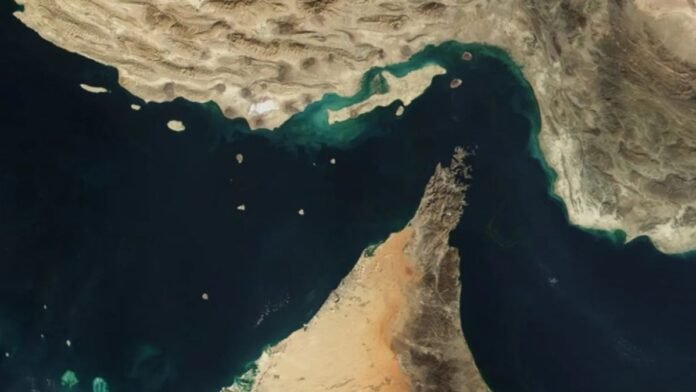
Amid these developments, Donald Trump issued a warning to Iran over reports that it may impose charges on ships passing through the Strait of Hormuz. He cautioned Tehran against introducing any such fees, emphasizing that it should immediately halt the move if it is being considered. The concern stems from the strategic importance of the waterway, through which nearly one-fifth of global oil supply is transported.

The upcoming talks come against the backdrop of a two week pause in hostilities that followed weeks of intense conflict in the region. Pakistan is acting as a mediator between Washington and Tehran, although the situation remains tense due to disputes over the Strait of Hormuz and continued regional violence.

The Iranian delegation is expected to be led by Abbas Araghchi and Mohammad Bagher Ghalibaf, while the US side will be headed by JD Vance. The American team is also likely to include senior figures such as special envoy Steve Witkoff and Jared Kushner. The discussions are expected to take place at Islamabad’s Serena Hotel, which has been secured for the duration of the talks.

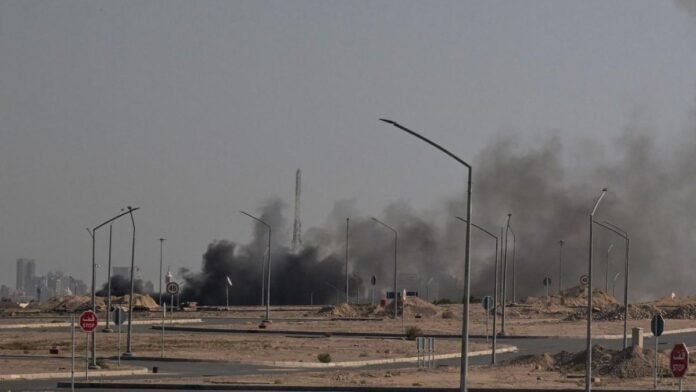
Despite the ceasefire, Kuwait has accused Iran and allied groups of carrying out drone strikes targeting its territory. Saudi Arabia has also reported damage to a key oil pipeline during recent attacks. The pipeline plays a crucial role in transporting oil to the Red Sea while bypassing the Strait of Hormuz, which remains under Iran’s influence.

Delegations from both sides are expected to meet in Islamabad as scheduled, although questions remain over whether the negotiations will proceed as planned.

Iran Accused by Kuwait of Drone Strikes as Trump Questions Ceasefire’s Effectiveness

0
Kuwait

US President Donald Trump has raised concerns about how effective the two-week ceasefire will be, pointing to Iran’s continued control over the Strait of Hormuz. At the same time, Kuwait has accused Iran and its allied groups of carrying out drone strikes despite the truce being in place.

Iran’s Revolutionary Guard has rejected claims that it carried out attacks on Persian Gulf countries on Thursday night.

At the same time, Israeli Prime Minister Benjamin Netanyahu indicated a possible opening for de-escalation by approving direct talks with Lebanon, although there has been no response from the Lebanese government so far. The move comes in the aftermath of intense Israeli strikes on Beirut earlier in the week that reportedly left more than 300 people dead. The proposed discussions are expected to take place in Washington next week, according to sources familiar with the matter.

Several key issues remain unresolved, including the future of Iran’s enriched uranium stockpile, the timeline for restoring normal shipping through the Strait of Hormuz and the extent of Iran’s capability to carry out missile strikes or support proxy groups in the region.

Efforts to resolve the broader conflict are set to continue, with talks between the United States and Iran scheduled to begin Saturday in Islamabad. The White House has said that Vice President JD Vance will lead the American delegation.

Meanwhile, an Iranian medical official has estimated that more than 3,000 people have been killed in the conflict involving Israel and the United States. Abbas Masjedi, head of Iran’s Legal Medicine Organization, said the deaths were the result of enemy attacks, though no detailed breakdown of casualties has been provided by the government.

In a separate development, South Korean President Lee Jae Myung shared a video on social media that appeared to show Israeli soldiers pushing a body off a rooftop in the West Bank. While not directly commenting on the current conflict, he stressed that humanitarian law must be upheld at all times and warned against repeating past tragedies. His government also announced that a senior diplomat would be sent to Iran to address concerns over citizen safety and the situation in the Strait of Hormuz.

Singapore has ruled out restricting fuel exports despite disruptions caused by the conflict. Prime Minister Lawrence Wong said the country would continue supplying refined petroleum products, noting that exports were not limited even during the peak of the COVID pandemic. Australian Prime Minister Anthony Albanese confirmed that Wong had conveyed the same assurance during bilateral talks.

Ukrainian President Volodymyr Zelenskyy revealed that Ukrainian forces had intercepted Iranian made Shahed drones in multiple Middle Eastern locations during the conflict. He described these operations as part of a wider effort to support allies facing similar threats.

Global markets reacted cautiously, with Asian stocks posting gains and oil prices rising amid uncertainty over the ceasefire and upcoming US Iran negotiations. Analysts noted that pre war oil price levels are unlikely to return soon, with forecasts suggesting higher average prices going forward.

In Pakistan, Islamabad was placed under heightened security ahead of the talks, with roads largely empty, checkpoints set up and a public holiday keeping residents indoors. Additional security forces have been deployed as delegations from both countries arrive for the negotiations.

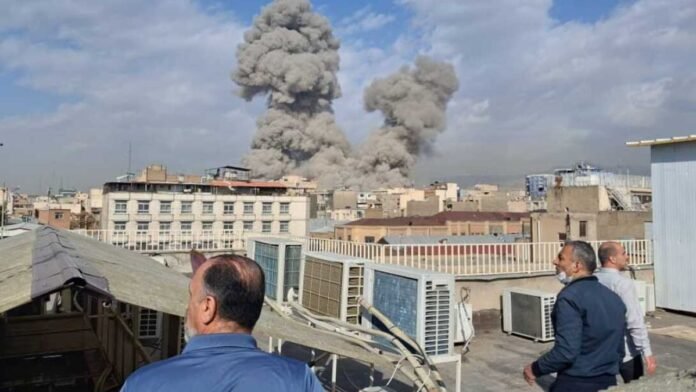
Reports of air defence activity and explosions were heard overnight in parts of Iran, including Tehran, although authorities did not confirm any attack. Similar incidents have occurred in recent days as tensions remain high.

Japan has announced plans to release additional oil reserves to address supply concerns linked to the conflict. Prime Minister Sanae Takaichi said the release would begin in May, adding to earlier measures taken to stabilise energy supplies. The country is also exploring alternative import routes that do not rely on the Strait of Hormuz.

Pakistan has also announced that it will grant visas on arrival to visitors attending the upcoming talks, reflecting the global attention focused on the negotiations.

Nitish Kumar Enters Rajya Sabha; Uncertainty Remains Over Next Bihar CM

0
nitish kumar
nitish kumar

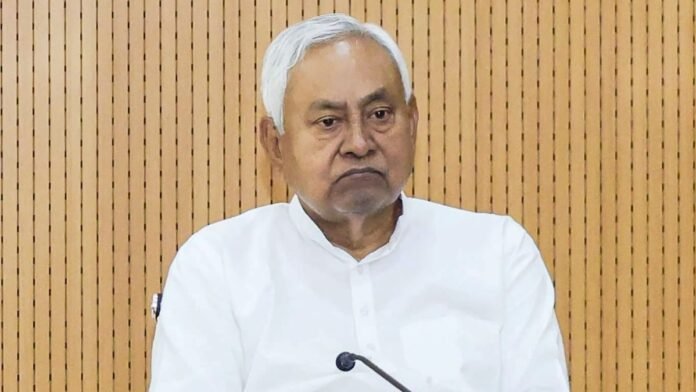
Nitish Kumar, leader of the Janata Dal United and Chief Minister of Bihar, took oath as a member of the Rajya Sabha on Friday, April 10, nearly a month after being elected to the Upper House on March 16. Although he continues to hold the position of Chief Minister, his entry into Parliament signals an imminent leadership change in the state.

Under constitutional provisions, Nitish Kumar can remain Chief Minister for up to six months after becoming a Member of Parliament. However, he was required to step down as a Member of the Legislative Council within 14 days of his election, which he did on March 30.

When will Nitish step down as Chief Minister?

A political transition appears to be taking shape in Bihar as Nitish Kumar shifts his focus from Patna to Delhi. According to reports, senior BJP leaders are holding discussions in the capital to finalize the next phase of leadership in the state.

BJP state president Nitin Nabin has stated that there are no disagreements within the NDA regarding the appointment of a new Chief Minister. Meanwhile, senior Bihar minister Vijay Kumar Choudhary confirmed that Nitish Kumar would first complete formalities in the Rajya Sabha before any decision is taken in Patna. He indicated that Nitish is expected to resign within two to four days after returning from Delhi, following consultations with party leaders.

Choudhary explained that after taking the oath in Parliament, Nitish will return to Patna and step down as Chief Minister once internal discussions are concluded. He also noted that the process of choosing the next Chief Minister will follow the established procedures of the NDA legislature.

Nitish Kumar is the longest-serving Chief Minister of Bihar. He began his political career as an MLA in 1985 and later served as a Union Minister in the Atal Bihari Vajpayee government before first assuming office as Chief Minister in 2005.

Speaking in Delhi, Saraogi described the moment as significant for both Bihar and Nitish Kumar, calling him a mass leader who played a key role in ending the era of lawlessness associated with the RJD and driving the state’s development.

Mission Samrath 2026–27: Punjab Eyes Global Excellence With Attendance-Linked Education Reforms

0
Punjab
Punjab

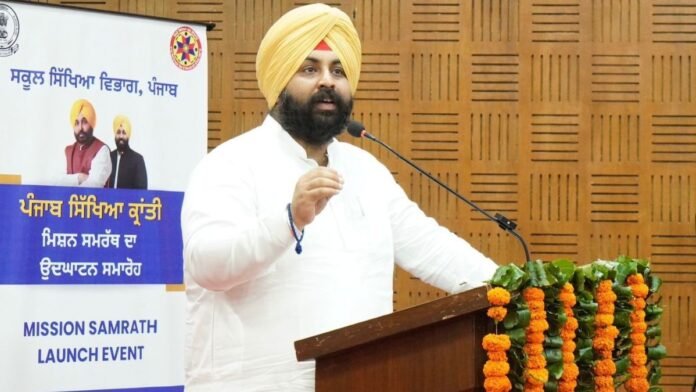
Punjab has advanced its education reform drive by launching the next phase of its Sikhya Kranti initiative, with Education Minister Harjot Singh Bains and former Delhi Deputy Chief Minister Manish Sisodia unveiling Mission Samrath 4.0 on Thursday. The programme focuses on strengthening foundational learning while introducing a state wide attendance tracking system that will send daily SMS updates to parents about their child’s presence in school, aiming to improve accountability and ensure consistent learning.

Describing it as a major step forward, the minister said Punjab, which already ranks first in the PARAKH assessment survey, is now shifting its focus from recognition to measurable outcomes by tightening classroom monitoring and expanding effective teaching practices. He highlighted that the state government, under Chief Minister Bhagwant Singh Mann, has increased the education budget to ₹19,279 crore, ensuring that funds are directly utilised for improving schools and learning results.

As part of the new phase, the attendance system will alert parents daily and flag prolonged absences at both district and state levels. Students missing school for seven days will prompt direct outreach from district authorities, while those absent for more than fifteen days will be escalated to the state level, ensuring both academic continuity and student safety.

Bains said the programme is designed to strengthen teaching quality and accountability, with a focus on ensuring that every child develops strong foundational skills. He also reflected on his role, calling it a meaningful responsibility and noting that education leadership has become more valued than in the past.

He pointed to significant investments in infrastructure, stating that government schools now have improved facilities, including campus managers, security staff and sanitation workers, which were previously lacking. He also noted that textbooks are now delivered on time, with all students receiving complete sets at the start of the academic session.

Mission Samrath 4.0 will continue to prioritise students in classes 3 to 8, focusing on reading, writing and mathematics. The programme uses a level based teaching approach, grouping students according to their learning ability rather than grade. According to the minister, Punjab has surpassed national averages in foundational learning by a significant margin, reflecting the impact of these reforms.

A compendium of 38 effective classroom practices developed by teachers was also released during the event, which will now be implemented across government schools to further improve outcomes, especially for students needing additional support.

Manish Sisodia praised Punjab’s progress, stating that the state has demonstrated how government schools can lead nationally. He said the initiative ensures that students attend school regularly and continue learning effectively, while also emphasising that no child should be left behind in the education system.

Officials added that Mission Samrath has already grown into one of the largest foundational learning programmes in the country, reaching around 12 lakh students and involving over 70,000 teachers each year. The latest phase aims to build on this progress and push Punjab’s education system towards global standards.

Trump Pushes Europe for Action in Strait of Hormuz With Ultimatum

0
Hormuz
Hormuz

United States President Donald Trump has intensified his push for European allies to contribute military support in the Strait of Hormuz, just days before scheduled talks with Iran on Friday.

According to a Reuters report citing two diplomats, NATO Secretary General Mark Rutte has conveyed to European leaders that Washington expects firm commitments from them, including the deployment of naval forces or other military assets in the region in the coming days.

Trump reinforced this stance in a post on Truth Social, where he criticized NATO members for their lack of response, saying they only act when pressure is applied.

Debate over US troop deployment within NATO

At the same time, discussions are underway within the White House about withdrawing American troops from certain NATO countries that were seen as not supporting the United States during the Iran conflict. Reports suggest these forces could instead be repositioned in countries viewed as more cooperative, signaling a possible shift in Washington’s approach toward its allies.

This marks a softer stance compared to Trump’s earlier warnings about potentially pulling the United States out of NATO altogether. The revised plan has reportedly gained traction among senior officials in recent weeks.

Trump has repeatedly expressed dissatisfaction with NATO, accusing some member states of failing to back the US during the conflict and warning that their response would not be forgotten. He has also suggested that the United States may no longer need the alliance in its current form.

European Union rejects Hormuz toll proposal

Separately, the European Union has reiterated that navigation through the Strait of Hormuz must remain free and unrestricted. Speaking in Brussels, European Commission spokesperson Anouar El Anouni emphasized that international law guarantees freedom of navigation, meaning no tolls or charges should be imposed on vessels passing through the route. He described this principle as a global public good.

The statement comes amid reports that Iran has agreed to reopen the waterway during a temporary truce with the United States and Israel, while also floating the idea of introducing a toll system to support reconstruction efforts. Although Trump had earlier suggested a possible joint arrangement between the US and Iran to manage the strait, the White House has since maintained that it should be reopened without any such conditions.

₹2.77 Lakh Treatment for Infant Diljot Covered Under Sehat Yojna; Over 6,000 Newborns Treated in 3 Months

0
Yojna

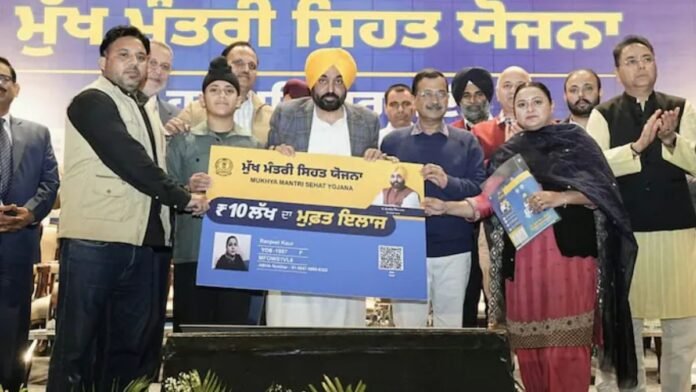
uring the launch of Mukh Mantri Sehat Yojna (MMSY), Punjab Chief Minister Bhagwant Singh Mann has said, “Worry about the treatment, not the bills. The government will become your pocket.” For families like that of four-month-old Diljot, born to Rashpreet Kaur and Bharat Kumar in Abohar, those words have meant everything.

Diljot was diagnosed with a severe infection and a ventricular septal defect (VSD), a hole in the heart that develops before birth. Her parents took her to Bathinda for treatment; their only concern was keeping her alive. The cost of intensive care was daunting until the Mukh Mantri Sehat Yojna stepped in. Diljot received specialized care, including round-the-clock monitoring, and her family did not have to worry about finances for a single day.

“The doctors told me my daughter has a hole in the heart. She was treated at two different hospitals, and the Sehat Card fully covered the bill amounting to ₹2.77 lakhs,” said Bharat Kumar, who runs a small salon in Abohar.

The scheme, led by Chief Minister Bhagwant Singh Mann, ensures that families never have to choose between health and financial hardship. Under Mukh Mantri Sehat Yojna, every mother and newborn can receive up to ₹10 lakh of cashless treatment annually, whether in government or impaneled private hospitals, from the earliest hours of a child’s life.

Health and Family Welfare Minister Dr. Balbir Singh said, “We are conducting programs in villages to ensure families get timely check-ups and do not delay treatment.” In the last three months alone, more than 6,000 neonatal cases have been treated under Mukh Mantri Sehat Yojna, reflecting the scheme’s growing reach in providing timely medical care to newborns. The scheme supports treatment for conditions such as low birth weight, premature birth, infections, and other neonatal complications, while strengthening maternal and postnatal healthcare services.

Diljot’s case is not an isolated one. Across Punjab, families are bringing newborns for care in the critical early days, reassured that the cost of treatment will not fall on them.

At Aggarwal Hospital, Bathinda, a newborn with severe jaundice and respiratory distress received intensive care, with a treatment cost of ₹1 lakh fully covered under Mukh Mantri Sehat Yojna.

A few days old Mankirat Singh from Gadhaya, Patiala, required care for jaundice and breathing complications. His father, Balwinder Singh, said, “My son was born on March 25 and had a couple of complications. While we were worried about the newborn’s health, what worried us more was how we would cover the bills. Thanks to CM Bhagwant Mann’s scheme, the treatment cost was fully covered.”

Bimla Rani from Kotkapura, Faridkot recently gave birth to a baby requiring neonatal care. Her 18-day-old child is now safely receiving treatment under Mukh Mantri Sehat Yojna, a family member confirmed.

These cases reflect a growing trend. Since the launch of Mukh Mantri Sehat Yojna, more families across Punjab are bringing mothers and newborns to hospitals within the first 72 hours, improving health outcomes and reducing complications that worsen with delay.

The Punjab Government continues to encourage residents to enrol for the Sehat Card at designated centres and through on-ground camps to avail cashless treatment benefits under the Mukh Mantri Sehat Yojna.