Home Blog Page 23

Global Teaching Practices Reach Punjab Classrooms Through Partnership With Finland’s University of Turku: CM Bhagwant Mann

0

A partnership between the Punjab Government, led by Chief Minister Bhagwant Singh Mann, and Finland’s University of Turku is beginning to show tangible impact in classrooms, with teaching methods becoming more engaging and early improvements in student participation already visible.

This initiative marks a shift away from traditional rote learning toward more interactive and joyful classroom experiences. As part of Punjab’s broader Sikhya Kranti, the programme focuses on blending international expertise with local classroom needs while expanding its reach through a structured training model. Nearly 300 teachers are expected to be trained by May, strengthening foundational learning across the state.

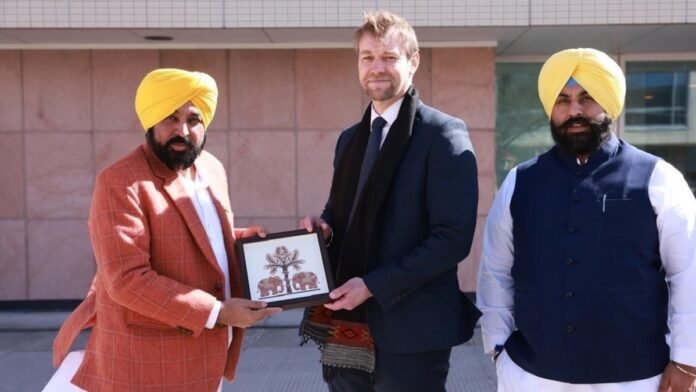
During his visit to Finland, Bhagwant Singh Mann toured the Kukulo Moikoinen Early Childhood Education and Care Centre and noted that the collaboration is already delivering results by aligning global teaching practices with ground realities in Punjab’s schools.

He explained that the partnership, implemented through the State Council of Educational Research and Training under the Department of School Education, is aimed at long term transformation rather than a short term effort. The focus is on building teacher capacity in early childhood and foundational education while introducing child centred, play based and inclusive teaching practices into the system.

According to the Chief Minister, the programme equips educators with research backed methods while ensuring these approaches are adapted to Punjab’s socio cultural context. Training sessions have been conducted both in Chandigarh and in Finnish cities such as Turku and Rauma, combining workshops, mentoring and school visits to give teachers practical exposure to innovative classroom techniques. By May 2026, close to 300 teachers across four groups will have completed this training, benefiting students across the state.

Mann highlighted that the emphasis has been on making learning more participatory and engaging. Teachers are being encouraged to design projects tailored to their classroom environments, with ongoing mentoring support. Initial feedback indicates higher levels of student interest, better participation and more inclusive classroom settings.

He also noted that teachers are gaining confidence in experimenting with new approaches and adapting lessons to suit diverse learning needs. A key aspect of the initiative is its focus on adapting global practices rather than directly replicating them. Continuous guidance from Finnish experts has helped ensure that these methods are effectively integrated into Punjab’s education system.

During his visit, the Chief Minister also interacted with faculty at the University of Turku and the Turku Teacher Training School. He said the next phase of the programme will focus on scaling its impact through a train the trainers approach, creating a network of master trainers to expand its reach across Punjab. Digital platforms and blended learning models are also being developed to support ongoing teacher development and wider accessibility.

Mann said that with a clear expansion strategy and a growing pool of trained educators, the collaboration is set to become a key pillar of Punjab’s education reforms. He reaffirmed the government’s commitment to strengthening public education and ensuring that students are better prepared for future opportunities, while continuing to explore similar initiatives to maintain progress in the sector.
Basmati Centre of Excellence Planned in Punjab to Strengthen Crop Diversification: CM Bhagwant Mann

0
Punjab
Punjab

Punjab is moving toward a significant shift in agriculture with a renewed focus on crop diversification and sustainability. During his ongoing visit to the Netherlands, Chief Minister Bhagwant Singh Mann secured an agreement to establish a Centre of Excellence for Basmati, an initiative aimed at boosting farmers’ incomes and reducing reliance on the traditional wheat paddy cycle.

As part of his visit, Mann studied advanced agricultural and industrial practices that could benefit Punjab’s farming community, which has long contributed to India’s food security. He noted that in supporting the nation, farmers in the state have overused vital natural resources such as fertile land and water, making it necessary to move beyond the existing cropping pattern. He stressed that diversification is now essential and pointed out that the Netherlands could play a key role in supporting this transition.

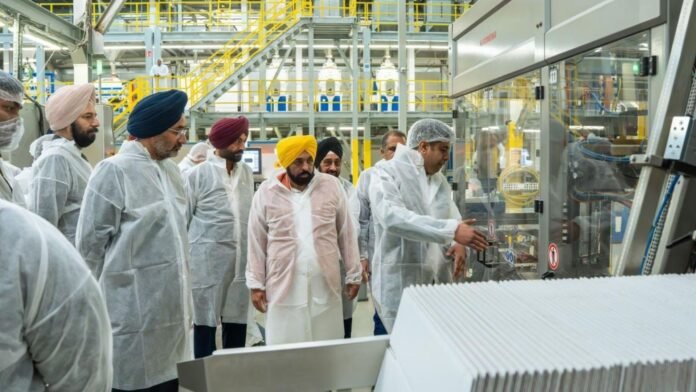
During a visit to the LT Foods facility in Rotterdam, the company highlighted its global operations across more than 80 countries and its connection with over one lakh farmers. Discussions focused on sustainable farming practices and expanding the global reach of Punjab’s basmati rice. Mann emphasised the importance of reducing pesticide usage to meet international standards and strengthen exports. Following the discussions, LT Foods agreed to set up the Centre of Excellence for Basmati in Punjab along with a pilot project for assured procurement and low pesticide cultivation.

The Chief Minister also called for stronger collaboration between Dutch companies and Punjab Agricultural University to advance research and sustainable farming practices. He pointed out that shrinking profit margins have made agriculture less viable for many farmers and noted that productivity gains from existing technologies have reached a plateau.

Mann also visited the Floriculture Auction Market at Aalsmeer, widely regarded as the world’s largest flower and plant marketplace. There, he observed the Dutch auction system and its integrated network of production, logistics and global distribution. He expressed interest in adopting similar models in Punjab to strengthen agricultural value chains and improve farmer earnings.

In meetings with officials from the Netherlands Ministry of Agriculture, Fisheries, Food Security and Nature, he highlighted the strong agricultural partnership between India and the Netherlands. He sought cooperation in areas such as water efficient farming, precision agriculture, technology driven productivity improvements and sustainable practices. He also expressed interest in adopting advanced systems used in the Netherlands, including automation, artificial intelligence, drones and data driven crop management, along with innovations in greenhouse farming.

Highlighting the potential of greenhouse cultivation, Mann said it offers efficient use of water and energy, though it is best suited for high value crops. He also proposed partnerships between Punjab Agricultural University and leading Dutch institutions like Wageningen University and Research to promote innovation and knowledge exchange.

In discussions with the Confederation of Netherlands Industry and Employers, Mann emphasised the need for structured collaboration to encourage long term engagement between Dutch businesses and Punjab. He noted that the evolving India European Union Free Trade Agreement could open new avenues for trade and investment, particularly in sectors such as information technology, dairy, food processing and agricultural value chains, including potato cultivation.

Inviting global investors, Mann said Punjab provides a supportive environment for business and encouraged Dutch companies to participate in upcoming agri tech and industrial initiatives. He also highlighted the state’s policy framework, including the Industrial and Business Development Policy 2026 and the FastTrack Punjab Portal, which ensures transparent and time bound approvals.

Reaffirming his government’s vision, Mann said Punjab is committed to building a modern, technology driven agricultural and industrial ecosystem that is sustainable and globally competitive.

CM Bhagwant Mann Invites Dutch Legend Bovelander to Engage With Punjab Athletes After Meeting

0
Punjab
Punjab

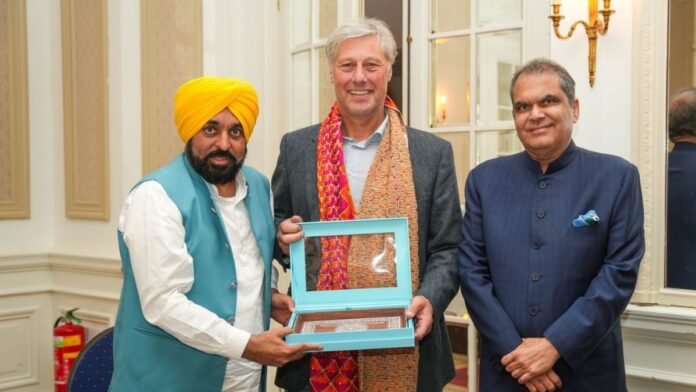
Punjab Chief Minister Bhagwant Singh Mann on Tuesday connected with renowned Dutch hockey icon Floris Jan Bovelander, seeking to bring his experience into Punjab’s hockey ecosystem as the state prepares for the upcoming Asian Champions Trophy.

During an in-depth interaction, Mann spoke about the larger sports framework in Punjab and reiterated his government’s focus on reviving the golden era of hockey in the state. He praised Bovelander’s outstanding career and lasting impact on the sport, noting that his journey continues to motivate aspiring players around the world.

Mann extended an invitation to the Olympian to visit Punjab and work closely with athletes, helping them improve their skills and gain greater international exposure. He emphasized that the state is determined to invest in sporting talent and elevate hockey to new levels. He also highlighted that Punjab is set to host the Hockey Asian Champions Trophy for the first time, calling it a landmark moment for the state’s sporting landscape.

Referring to the international calendar, Mann said that the Asian Games will wrap up in early October, after which the top six teams will compete in the Champions Trophy. He added that the proposed four-nation invitational tournament will further position Punjab as an emerging center for global hockey events. He pointed out that despite Punjab’s long-standing contribution to Indian hockey, the state had never hosted a major international tournament until now, making this a significant turning point.

Speaking about the deep bond between Punjab and hockey, Mann said the sport is an integral part of the state’s identity. He noted that Indian hockey has long been shaped by players from Punjab, with more than 50 Olympians from the state winning medals and 10 Punjabi players having led the national team at the Olympics.

He also highlighted the legacy of villages like Sansarpur, Khusropur, and Mithapur, which together have produced over 20 Olympians. Citing recent achievements, Mann recalled India’s bronze medal at the Tokyo 2020 Olympics after a 41-year gap, with nine Punjabi players in the squad led by Manpreet Singh. He added that India repeated the feat at the Paris 2024 Olympics, where 10 Punjabi players were part of the team, with Harmanpreet Singh captaining the side and finishing as the top scorer.

Sharing details of the meeting on social media, Mann said he was delighted to meet Bovelander in the Netherlands and described him as a celebrated figure in world hockey. He said the Dutch legend has accepted the invitation to visit Punjab and will engage with athletes, inspiring and guiding them ahead of the upcoming Asian tournament. He reiterated that the state remains committed to fostering sporting excellence and strengthening its hockey legacy.

‘More Than a Sporting Legend’: Lamine Yamal Applauds Lionel Messi’s Enduring Influence

0
Lamine Yamal
Lamine Yamal

Lamine Yamal has never hidden his admiration for Lionel Messi, but his latest comments in Madrid made it even clearer how highly he regards the Argentine icon. Fresh off winning the Laureus Award for Best Young Athlete, the Barcelona teenager addressed the comparisons that continue to surround him at just 18 and responded by placing Messi at the very pinnacle of sport.

For Yamal, the conversation goes beyond football alone. He described Messi as the greatest player in history and suggested that his influence extends far beyond the boundaries of the game. His remarks from the Laureus event quickly gained attention across the football world, not only for their strength but also for their timing. As one of the most prominent young talents in the sport today, every statement Yamal makes carries increasing weight.

Speaking at the event, Yamal said that Messi is, in his view, the best player ever and added that if he is not the greatest athlete in history, he is certainly among the very best. He went on to explain that Messi’s legacy cannot be confined to football, noting that he is more than just a legend within the sport.

Reflecting on Messi’s impact, Yamal highlighted the personal connection many young players feel toward him. He said that Messi was a part of the childhood of countless kids who played football at school or in parks, capturing how deeply the Argentine’s influence is woven into an entire generation’s experience of the game.

What makes these comments particularly significant is Yamal’s own position in football today. He is no longer just a young fan speaking about his idol. He is already a key player for Barcelona, a European champion with Spain and now a recipient of one of sport’s most prestigious youth awards. His words therefore reflect both admiration and aspiration.

Yamal also made it clear that Messi remains the standard he hopes to reach, expressing his desire to follow in his footsteps. His statement adds another layer of intrigue to the future, especially with Spain and Argentina both seen as strong contenders heading into the 2026 World Cup. A potential meeting between the two sides would place Yamal face to face with the player who shaped his footballing journey.

Ultimately, his remarks stood out because they were not casual praise but a firm assessment from one of football’s brightest young stars. For Yamal, Messi is not only a childhood hero but the benchmark of excellence that continues to define the sport.

Tim Cook’s Apple Era, From AirPods to ‘Pro’ iPhones, Comes to an End

0
Tim Cook
Tim Cook

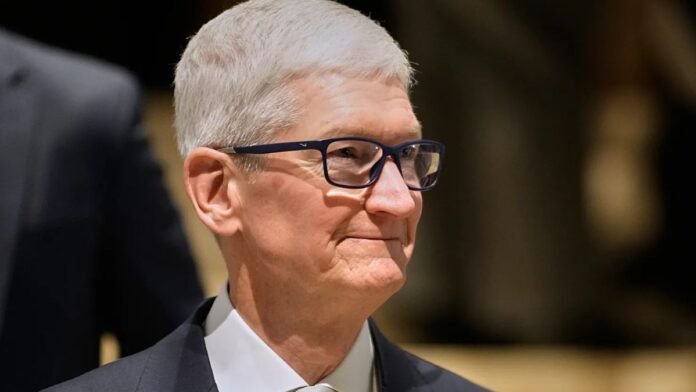
Tim Cook is stepping down as Apple’s CEO, marking the end of an era that began when he succeeded Steve Jobs in 2011. Taking charge after one of the most iconic figures in tech was never going to be easy, yet over nearly 15 years, Cook not only sustained Apple’s legacy but also guided it into new categories and expanded its existing ecosystem in significant ways.

One of the earliest signs of this shift came in 2015 with the launch of the Apple Watch, Apple’s first entirely new product line after the Jobs era. While initial reactions were mixed, the device steadily grew into the world’s most popular smartwatch. Beyond its commercial success, it became known for its health features such as heart monitoring, ECG support, and fall detection, with numerous reports crediting it for saving lives. Cook himself often highlighted its real-world impact.

A year later, Apple introduced AirPods, entering the wireless audio space with a product that quickly became a cultural and commercial phenomenon. The design was initially questioned, especially the stem, but it soon became iconic. Over time, Apple expanded the lineup with multiple generations and Pro variants, along with the AirPods Max, establishing a dominant position in the audio market.

Perhaps one of the most important transitions under Cook was Apple’s move away from Intel processors to its own Apple Silicon. This shift redefined the Mac lineup, delivering major improvements in performance, efficiency, and battery life. The transition began with the M1-powered MacBook Air and has since evolved through newer generations of chips, with the M series now central to Apple’s computing strategy.

The iPhone also underwent a major transformation during this period, particularly with the introduction of the iPhone X. It marked a complete design overhaul with an edge-to-edge display and the removal of the home button in favor of Face ID. This model set the direction for future iPhones and influenced smartphone design across the industry.

In 2024, Apple entered yet another new category with the Vision Pro, a mixed reality headset that the company describes as a spatial computer. It blends virtual and augmented reality experiences, offering a glimpse into what Apple sees as the next computing platform. However, its high price and limited availability have meant that adoption remains gradual.

Beyond products, Cook also steered Apple towards a stronger focus on sustainability. The company committed to becoming carbon neutral by 2030, increased its use of recycled materials, and promoted trade-in programs to recover valuable resources, reflecting a broader shift in how large corporations approach environmental responsibility.

Another notable change during his tenure was the evolution of the iPhone lineup itself. Apple responded to growing demand for larger devices by introducing bigger screen models, starting with the iPhone 6 Plus. This was followed by the Max series, which catered to users seeking premium large-screen experiences. At the same time, the introduction of the Pro branding with the iPhone 11 Pro brought more advanced camera systems and features to the lineup, further segmenting Apple’s offerings.

Apple also experimented with different form factors, including the compact iPhone mini models and newer additions like the iPhone Air, showing a willingness to adapt to changing user preferences.

Taken together, Tim Cook’s leadership period reflects a steady expansion of Apple’s ecosystem, a deeper push into new technologies, and a strong focus on long-term sustainability, all while maintaining the company’s position as one of the most influential players in the tech industry.

Report Suggests Vance Could Travel to Islamabad on Tuesday

0
jd vance
jd vance

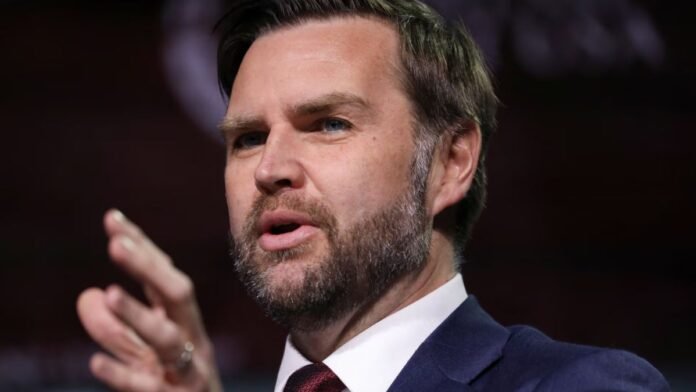
US Vice President J D Vance is expected to travel to Islamabad on Tuesday for talks with Iran aimed at ending the seven-week conflict, according to media reports. The visit is being planned as diplomatic efforts intensify ahead of the expiry of a temporary ceasefire between the two sides.

On Monday, President Donald Trump told The New York Post that a delegation led by Vance was already on its way to Islamabad, although other reports suggested that the vice president was still in Washington at the time.

The proposed visit comes as a two-week ceasefire agreed on April 8 nears its end, with Trump warning that the United States could target bridges and power infrastructure in Iran if negotiations fail. With Vance expected to arrive late on Tuesday, the ceasefire has effectively been extended by a day until Wednesday.

According to Axios, Vance is likely to depart for Islamabad by Tuesday morning to hold discussions on a possible agreement to end the war. He is expected to be joined by special envoy Steve Witkoff and Jared Kushner.

Tensions remained high over the weekend when a US guided missile destroyer intercepted and seized an Iranian cargo ship attempting to breach the naval blockade in the Gulf of Oman, further escalating the situation.

Iran’s participation in the talks has been influenced by mediation efforts from Pakistan, Egypt, and Turkiye. Reports indicate that the Iranian delegation delayed its departure until it received approval from the country’s supreme leader. Earlier, The New York Times had also reported that an Iranian team was preparing to travel to Islamabad, likely led by Parliament Speaker Mohammed Bagher Ghalibaf.

Sources cited by Axios suggest that Iran has been hesitant in negotiations, possibly due to pressure from the Revolutionary Guards to maintain a firm stance, including demands that the US lift its blockade before any talks proceed.

From the US side, officials have expressed optimism about reaching an agreement. White House press secretary Karoline Leavitt said that the country is closer than ever to securing a favorable deal with Iran, crediting Trump’s negotiating approach. She defended the administration’s strategy, arguing that critics fail to understand its long-term objectives.

Earlier rounds of talks have highlighted key differences between the two sides. During discussions on April 11, US negotiators reportedly proposed a 20-year halt on Iran’s uranium enrichment program. Iran countered with an offer for a five-year suspension, which was rejected by the United States. Despite growing domestic criticism of the conflict and concerns over rising fuel prices, Trump said he was

Violence in Manipur: Cop Injured as Mob Tries to Burn Down Office

0
manipur
manipur

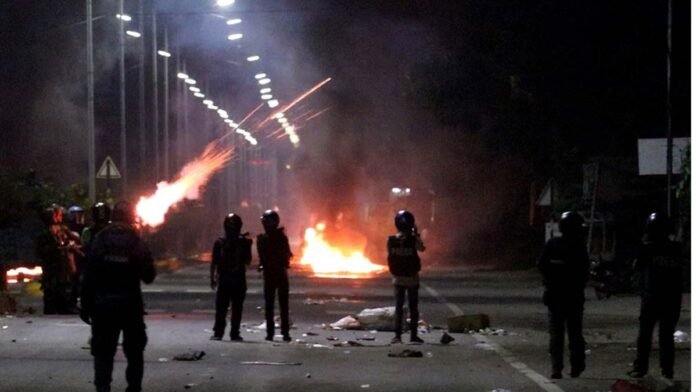
A policeman was critically injured on Monday night in Manipur’s Wangjing after protesters attempted to set a government office on fire amid ongoing ethnic tensions. The unrest comes as torch rallies continued across five districts, with demonstrators demanding justice for a five-year-old boy and his six-month-old sister, who were killed in an explosion in Tronglaobi earlier this month, an incident that has further intensified the situation in the state.

Officials said that hundreds of protesters gathered outside a newly built Block Development Office and tried to set it ablaze just a day before its scheduled inauguration by Chief Minister Yumnam Khemchand. Security forces intervened in time, preventing major damage and bringing the situation under control.

However, a confrontation between protesters and security personnel left Takhelchangbam Romesh Sharma, a 37-year-old policeman posted at the Wangjing police outpost, with severe head injuries. He was admitted to the intensive care unit of a local hospital and remains in critical condition.

On Sunday, Manipur Police arrested 19 bandh supporters from various locations in the greater Imphal area. Despite a night curfew imposed from 5 pm to 5 am in five districts, thousands of people have continued to participate in torch rallies.

A five-day shutdown in protest against the Tronglaobi killings has been underway since Sunday midnight across five districts. At the same time, the United Naga Council announced a separate 72-hour shutdown in Naga-inhabited areas beginning Sunday midnight. This protest was called in response to the killing of two Tangkhul Nagas, including a former serviceman, in what is believed to be an ambush by suspected Kuki militants in Ukhrul on Saturday.

The Manipur government has said that the ambush case will be handed over to the National Investigation Agency to ensure a transparent probe.

Tensions in the state escalated sharply on April 7 following the deaths of the two children in the Tronglaobi explosion. On the same day, three people were killed after security forces allegedly opened fire on a mob that had stormed a paramilitary camp in Bishnupur while protesting the deaths. The camp was also vandalized during the incident.

Since then, torch rallies have been organized across the Meitei-dominated Imphal Valley under the banner of groups such as the All Manipur United Clubs Organization and the Coordinating Committee on Manipur Integrity. On Sunday, COCOMI announced a boycott of the ruling Bharatiya Janata Party’s political activities.

Yumnam Khemchand became Chief Minister more than a year after his predecessor, Biren Singh, stepped down in 2025, shortly before President’s Rule was imposed amid growing political instability and the threat of a no-confidence motion.

Violence has continued intermittently in Manipur despite the presence of thousands of security personnel. Since ethnic clashes broke out in May 2023, tensions between the Meitei and Kuki Zo communities have led to deep divisions, with both groups largely confined to their respective areas. The conflict has claimed at least 260 lives and displaced around 60,000 people.

While the clashes initially involved the Meitei and Kuki communities, they have since drawn in multiple groups across the state. The Meiteis, who are largely Hindu, are concentrated in the Imphal Valley, while the Kukis, who are predominantly Christian, reside in the hill regions. Chief Minister Khemchand has maintained that there are no formal buffer zones separating communities, although the government continues to identify certain areas as sensitive.

AI and 3D Displays at the Core of Samsung’s Push to Upgrade Business Customer Experience

0
Samsung
Samsung

Imagine walking into a store where the screen in front of you does more than simply play a video. It responds, shifts, and appears to step out of the frame, creating a far more immersive experience. This is the kind of retail environment Samsung is now working to build. At its Business Experience Studio in Gurugram, Samsung India unveiled a new approach for in-store and business spaces, combining artificial intelligence tools with an advanced display system to reshape how brands engage with customers offline.

At the heart of the showcase is Samsung’s Spatial Signage, a display that delivers a three-dimensional effect without the need for glasses. Using what the company calls 3D Plate technology, the system creates a sense of depth behind the screen, making visuals appear as though they are extending outward while still operating on a standard LCD panel.

The display spans 2.15 meters and features 4K UHD resolution in a vertical 9:16 format. It supports rotating visuals, allowing brands to showcase products from multiple angles. Powered by Samsung’s Quantum Processor, the system handles tasks such as 4K upscaling, color mapping, and HDR optimization. It also includes an anti-glare layer to ensure clear visibility in high-traffic environments. Its slim and lightweight design makes it suitable for installation across retail stores, bank branches, and other commercial spaces without requiring significant structural changes.

Samsung also highlighted the role of artificial intelligence in these environments. Through its AI Studio within the VXT platform, businesses can convert basic images into 3D-ready content using simple prompts, significantly reducing the time required to prepare visual material.

Another key feature is centralized content management, which allows businesses to control screens across multiple locations in real time. This enables instant updates to promotions, announcements, or other information across all connected displays.

In retail settings, the system can be used to deliver live promotions and adjust content based on timing or demand. In banking environments, it can assist with queue management, provide service updates, and guide customers through different processes.

Samsung also emphasized the importance of security, noting that its Knox platform is integrated to safeguard data and ensure compliance. In addition, the Galaxy multi-device experience allows staff to switch between devices seamlessly without interrupting their workflow.

Delhi HC Judge Declines Recusal in Kejriwal Liquor Policy Case, Says ‘Defining Moment’

0
Swarana Kanta
Swarana Kanta

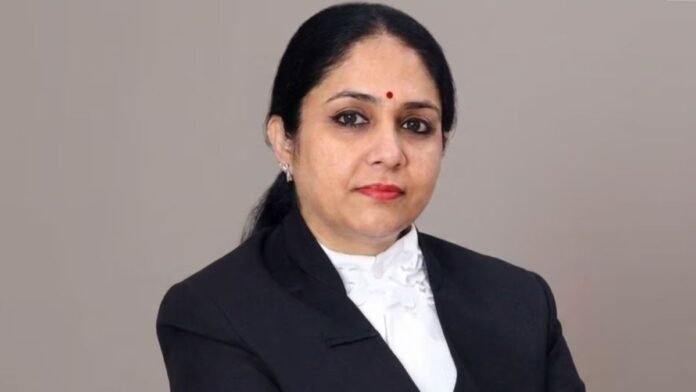
Delhi High Court judge Swarana Kanta Sharma on Monday held that a mere apprehension of not receiving relief from a court cannot be a valid ground for recusal, as she rejected pleas filed by AAP chief Arvind Kejriwal and others in connection with the liquor policy case.

Delivering her ruling, Justice Sharma said that stepping aside under such circumstances would amount to surrender and signal that judicial institutions can be influenced. She emphasized that recusal must be guided by law and not by narrative, calling the moment a defining one for the court. She observed that the apprehensions raised did not meet the legal threshold required to establish bias.

The judge outlined several reasons for refusing to recuse herself, noting that a judge cannot abandon judicial responsibility in response to allegations. She said that personal attacks on a judge effectively amount to attacks on the institution itself. In this instance, she remarked that the plea seeking recusal contained no evidence but instead relied on insinuations and doubts about her integrity.

Justice Sharma added that yielding to such accusations would undermine both the individual judge and the judiciary as a whole. She warned that if such arguments were accepted, it could create a precedent where judges are perceived as favoring particular parties or ideologies. She stressed that judicial integrity cannot be put on trial by litigants and that unsubstantiated claims cannot dictate judicial conduct.

She further stated that the issue had shifted from a dispute between parties to a challenge directed at the court itself. According to her, persistent allegations without proof cannot justify recusal, and allowing such pleas would make the judicial process vulnerable to pressure and erode its independence.

Addressing concerns raised about her participation in events organized by the Akhil Bharatiya Adhivakta Parishad, which Kejriwal claimed is aligned with the RSS, Justice Sharma clarified that these were professional gatherings of lawyers rather than political events. She pointed out that several judges have attended similar programs in the past and that such interactions are part of maintaining a healthy relationship between the bench and the bar.

The court also noted that the records of her participation had been selectively presented. She said that professional engagement between judges and legal bodies extends beyond courtrooms and cannot be restricted based on litigants’ perceptions. Warning against creating mistrust, she observed that such arguments could discourage judges from participating in professional forums. She reiterated that impartiality is presumed in favor of a judge and cannot be questioned on weak grounds.

The controversy arose in cases related to the alleged Delhi excise policy scam, where Justice Sharma has been hearing matters following a trial court order that discharged Kejriwal and several others. The CBI challenged that decision in the High Court, and Justice Sharma had earlier stayed certain directions of the trial court while making preliminary observations. Kejriwal later argued that these observations were made without hearing his side.

In his plea seeking her recusal, Kejriwal raised multiple objections, including her participation in events linked to a lawyers’ body associated with the RSS. He also alleged a conflict of interest, pointing out that her children are impaneled as government counsel and receive work through a structure led by Solicitor General Tushar Mehta, who is representing the CBI in the case.

Kejriwal, who argued his plea in person, contended that the trial court’s detailed order had been set aside too quickly and cited a Supreme Court judgment to argue that even a reasonable apprehension of bias can justify recusal.

The CBI opposed the plea, with Solicitor General Mehta describing it as a dangerous precedent. He maintained that judges regularly attend professional events and that Justice Sharma’s children had no involvement in the case. The agency argued that they are independent practitioners and not connected to the proceedings.

During hearings, the judge allowed Kejriwal to submit additional written arguments to ensure he felt heard, while clarifying that court procedures would not be altered for any individual.

Justice Sharma reserved her order last week and delivered it on April 20, firmly rejecting the recusal requests and underscoring the need to protect judicial independence from unfounded allegations.

‘Nobody Happier Than Me’: Mamata Reacts to SC Order on Tribunals and Voter List Freeze

0
mamata banerjee

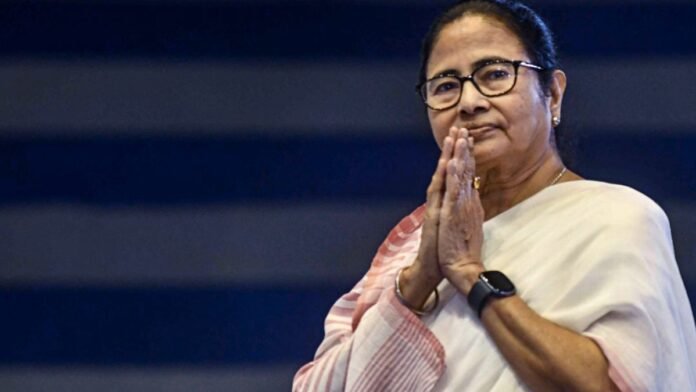
West Bengal Chief Minister Mamata Banerjee on Thursday expressed “extreme happiness” following the Supreme Court’s order on appellate tribunals and the easing of the earlier freeze on voter lists. However, despite the ruling, the Election Commission has not yet clarified how the 19 tribunals that began functioning earlier this week will operate.

The Supreme Court directed that individuals cleared by appellate tribunals for inclusion in electoral rolls at least two days before polling will be eligible to vote in the upcoming West Bengal Assembly elections. The decision relaxes the earlier freeze on voter lists and provides relief to many affected by the ongoing special intensive revision process.

Speaking to reporters in Cooch Behar, Banerjee said she received the news shortly after boarding a helicopter. She added that she had been urging people whose names were removed after adjudication to remain patient and approach the tribunals, expressing confidence that their names would eventually be restored. She described the development as a moment of great satisfaction.

She further stated that the Supreme Court has directed the publication of the first supplementary list on April 21 for the first phase of polling, while the second list for the next phase will be released on April 27. After the lists are published, she said, Trinamool Congress leaders and workers will distribute voter slips to ensure that those reinstated can cast their votes.

According to the court’s directions, appellate tribunals must resolve appeals by April 21 for the first phase of polling scheduled on April 23 and by April 27 for the second phase on April 29. If an appeal is accepted within this period, the voter’s name will be restored through a supplementary roll, allowing participation in the election. This ruling is significant because electoral rolls for the first and second phases had been frozen on April 6 and April 9, which had effectively excluded individuals whose cases were not decided in time. At that stage, the tribunals were barely functional and had cleared only two names.

Despite the relief provided by the court, concerns remain over the lack of clarity from the Election Commission regarding how the tribunals are functioning. With only a few days left before the first deadline, questions persist about whether public hearings will be held and how many cases have been processed.

West Bengal Chief Electoral Officer Manoj Kumar Agarwal said that all 19 tribunals, staffed by retired judges, have begun working. However, he noted that exact figures on the number of cases resolved are not yet available, as a dashboard to track progress has not been set up.

Election Commission officials also did not provide clear information on whether public hearings would be conducted for the approximately 2.7 million voters whose names were removed from the rolls after adjudication.

Reacting to the issue, BJP state president Samik Bhattacharya said that the special revision exercise was carried out by the Election Commission, but alleged that several Form 7 submissions made by the BJP, which challenged the inclusion of deceased and fake voters, were not properly heard. He added that the party remains dissatisfied with the functioning of the Election Commission.