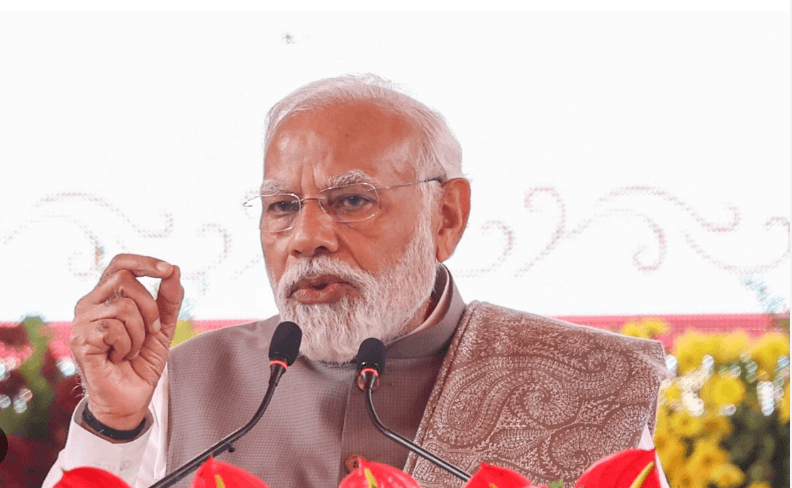
Delhi’s Air Quality Lingers in “Very Poor” Category
For the third consecutive day, Delhi and the surrounding National Capital Region are grappling with “very poor” air quality. This persistent issue is raising concerns about public health and environmental conditions.
In the morning, the Air Quality Index (AQI) in Delhi measured 322, with Noida registering a slightly higher AQI of 324. These numbers reflect data from the System of Air Quality and Weather Forecasting and Research (SAFAR)-India.
The AQI serves as a vital indicator of air quality. It categorizes air quality based on several factors, with an AQI of 0-50 indicating “good,” 51-100 as “satisfactory,” 101-200 as “moderate,” 201-300 as “poor,” 301-400 as “very poor,” and any reading above 500 falls into the “severe plus” category.
Consistent “Very Poor” Air Quality
Over the past week, the AQI consistently hovered in the “very poor” category. On Sunday, the average AQI for Delhi was 322, with Noida at 324. Gurugram also experienced “very poor” air quality with an AQI of 314. The situation seems to persist.
Minister Rai has been advocating for stricter measures to combat pollution. The “Red Light on, Gaadi off” campaign is among the initiatives aimed at reducing pollution caused by vehicles. This approach encourages drivers to turn off their engines while waiting at red traffic lights, ultimately cutting emissions.
Winter Action Plan Implementation
Rai pointed out that the 15-point winter action plan announced by Delhi Chief Minister Arvind Kejriwal is being systematically implemented. This plan aims to combat pollution generated by various sources, including vehicles, biomass burning, and dust. By executing this strategy, the government aims to reduce pollution levels in the national capital.
The Ongoing Battle for Cleaner Air
Delhi’s battle for cleaner air continues as it faces a persistent issue of “very poor” air quality. Efforts to address vehicular emissions and the implementation of the winter action plan are steps in the right direction, as stakeholders work collectively to improve the city’s air quality.
As Delhi navigates this challenging issue, the “Red Light on, Gaadi off” campaign and stricter regulations on poor-quality diesel could play a significant role in reducing pollution and protecting the environment and public health.
Apple is all set to host its “Scary Fast” event, slated to coincide with the eve of Halloween. This special event is expected to introduce new and exciting products, including the MacBook Pro and more.
To catch all the action at Apple’s Scary Fast event, you can watch it live on the official Apple Events website and YouTube. The event kicks off at 5:30 am in India. For Apple TV users, there’s the added convenience of watching it on iPhones, iPads, and Macs in the dedicated Scary Fast section.
Apple’s Scary Fast event promises to unveil several new products and updates, including:
iMac: Fans of the iconic iMac will be delighted to hear that it’s likely to receive a long-overdue update. While the design is not expected to undergo a radical transformation, internal modifications, and an updated stand will feature in the upcoming 24-inch iMac.
New MacBook Pro: Two new MacBook Pro models are anticipated. Codenamed J514 and J516, they will be powered by the M3 Pro and M3 Max processors. These processors come with exciting configurations, including high-performance cores and graphics cores. Additionally, Apple plans to offer enhanced RAM variants, with options of 24GB and 48GB.
Updated USB-C Accessories: Apple is aligning with the USB-C connection trend and will introduce refreshed editions of accessories like trackpads, mice, and keyboards. These new accessories will phase out the old Lightning ports.
A Look Back at iMac’s 25th Anniversary
This year marks the 25th anniversary of the iMac. It was one of the first products launched after Steve Jobs returned to Apple. Originally introduced as the Macintosh in 1984. The iMac has evolved over the years, becoming a cornerstone of Apple’s product lineup.
With updates to the iMac, MacBook Pro, and USB-C accessories, the event is mixed with touch of updates and anniversary specials!
Hollywood is mourning the sudden and tragic loss of Matthew Perry, best known for his role as Chandler Bing in the iconic TV sitcom “Friends.” Perry passed away at the age of 54, found unconscious in a hot tub at his Los Angeles home.
The Quintessential Chandler Bing
Matthew Perry’s portrayal of Chandler Bing made him a household name. “Friends,” which aired for ten seasons from 1994 to 2004, remains one of the most beloved and popular sitcoms of all time. Perry’s sharp wit and impeccable comedic timing endeared him to audiences around the world.
While Perry found immense success and fame through “Friends,” his personal life was marked by a battle with addiction. He struggled with addiction to painkillers and alcohol, leading to multiple stints in rehabilitation clinics. These challenges took a toll on his health, leading to severe issues, including a burst colon in 2018.
News of Matthew Perry’s death sent shockwaves through the entertainment industry. Colleagues, friends, and fans expressed their grief and shared memories of the actor. Mira Sorvino, who worked with Perry in the 1994 television movie “Parallel Lives,” remembered him as a “sweet, troubled soul” and hoped for his peace and happiness in the afterlife. Josh Charles, who shared the screen with Perry in “The Good Wife,” also expressed his sorrow.
A Television Legacy: Friends
Perry’s role as Chandler Bing left an indelible mark on the world of television. His character’s sarcasm, quick wit, and endearing awkwardness endeared him to viewers, making Chandler one of the most iconic sitcom characters. The enduring popularity of “Friends” is a testament to the impact Perry and his co-stars had on the world of entertainment.
Matthew Perry’s journey to stardom began with his promising career as a nationally ranked tennis star in Canada. He later moved to California to pursue acting, landing guest roles in popular shows. His casting as Chandler Bing marked the final addition to the “Friends” ensemble, where he quickly became a fan favorite.
The success of “Friends” was unprecedented, and Perry, along with his co-stars, negotiated record-breaking salaries for their roles. The show’s 236-episode run cemented its place in television history. Even years later, a 2021 reunion episode drew substantial attention and paychecks.
A Struggle Behind the Laughter
Despite his on-screen success, Perry battled anxiety throughout the filming of “Friends.” His honesty about this struggle helped raise awareness about mental health. While Perry’s career extended beyond “Friends” to films like “Fools Rush In” and “The Whole Nine Yards,” he never married.
Matthew Perry’s legacy lives on through his work, his iconic character, and his courage in sharing his personal struggles with the world. Hollywood and fans alike mourn the loss of this beloved star, remembering the laughter and joy he brought into their lives.
Remarkable World Cup Performance by Rohit Sharma’s Team
Rohit Sharma’s Indian cricket team has displayed unparalleled dominance in the 2023 World Cup, winning six consecutive games and standing out as one of the most imperious teams in the tournament’s history.
The 2023 World Cup team’s performance has surpassed even the 2011 World Champion side led by MS Dhoni, highlighting their remarkable prowess and potential.
Strategy and Unity in the Team
The team’s success in the tournament is attributed to a well-thought-out strategy, including selecting players to give pep talks based on their familiarity with the venue and actively participating in ball maintenance, among other factors.
LIGHTS OUT in Lucknow 🏟️
This Post-match medal ceremony was LIT(erally) Bigger & Brighter 🔆
Rohit Sharma’s captaincy has played a pivotal role in the team’s cohesiveness and success. His leadership on and off the field has instilled confidence in the players, allowing them to perform at their best. The viral moment of Rohit consoling Mohammad Shami during a tense match showcased the camaraderie and unity within the team, highlighting the importance of leadership in the team’s triumph.
Adaptability and Versatility
The Indian team exhibited adaptability and versatility by making key changes to the lineup, such as the inclusion of Mohammad Shami and R Ashwin. These changes bolstered their performance, offering flexibility in the team’s composition.
The Indian team’s bowlers, led by Jasprit Bumrah, Mohammad Shami, and Kuldeep Yadav, have been the heroes of the tournament. Their ability to make critical decisions, outsmart opponents, and work together as a unit has been a key element in India’s success.
Conclusion: A Dominant Indian Cricket Team
As the 2023 World Cup progresses, Rohit Sharma’s Indian cricket team has not only won matches but entertained fans and demonstrated remarkable control over their competition. While their journey towards lifting the World Cup continues, their performances thus far have been nothing short of exceptional.
India’s Minister for Road Transport and Highways, Nitin Gadkari, has extended an invitation to Tesla to establish a presence in India, recognizing the country’s vast market and diverse vendor base.
While India is eager to welcome Tesla, the government has made it clear that the company must set up manufacturing facilities in India to avail of incentives and concessions. This condition is non-negotiable.
India’s Framework to Attract Technologically Advanced Vehicle Manufacturers
In a move to attract technologically advanced vehicle manufacturers, the Indian government is developing a framework. It aims to promote local manufacturing, with an emphasis on local sourcing and a reduction in import duties, particularly for fully assembled units in the initial years.
https://t.co/hOv4dpgdGA – In a clear message to Elon Musk's Tesla, Nitin Gadkari, the Minister for road transport and highways, has said that the company will get "concessions only if it manufactures locally in India".
The proposed plan includes a significant reduction in import duties on electric vehicles, potentially dropping to as low as 15% from the current peak of 100%. However, manufacturers must meet conditions such as commencing operations in India, increasing local component sourcing, and providing bank guarantees.
Encouraging Local Supplier Ecosystem and Boosting EV Production
The Indian government’s primary goal with this policy framework is to significantly boost electric vehicle production in the country in the medium term. It aims to attract companies like Tesla while ensuring they commit to establishing local factories.
While government officials claim that this policy will benefit all players, both domestic and global, Indian companies like Tata Motors and Mahindra & Mahindra might face challenges as reduced import duties could attract luxury car buyers toward globally imported electric vehicles.
Conclusion: Tesla’s Potential Entry and India’s EV Ambitions
As discussions between Tesla and the Indian government advance, the policy framework offers significant advantages to technologically advanced automakers, ultimately contributing to India’s ambitious goals in the electric vehicle sector. This could transform the Indian market and expand opportunities for global players like Tesla.
Narayana Murthy, co-founder of Infosys and an influential figure in India’s business world, has ignited a fervent discussion with his recent advice directed at young IT professionals. His call for a strenuous 70-hour work week to bolster India’s productivity and confront future global challenges has prompted both support and concern.
A Perspective on Murthy’s Proposition
Acknowledging Murthy’s stance that nation-building demands discipline and determination, it’s critical to weigh the implications of such a rigorous work schedule. A foundation constructed upon a workforce facing extreme stress, meager income, and a tenuous work-life balance may prove unstable in the long run.
Comparing global work hours reveals striking disparities, with South and East Asia logging the highest weekly averages, surpassing their Western counterparts by a considerable margin. The heavy focus on employee availability in developing nations overshadows the value of their contributions. This perpetuates the “shape up or ship out” culture, putting significant pressure on the workforce.
Infosys founder NR Narayana Murthy says, 'Our youngsters must say this is my country. I’d like to work 70 hours a week.'
In countries where 24/7 work cultures thrive, the assumption often involves a support structure that caters to employees’ non-work commitments. However, this scenario predominantly benefits men, as they can dedicate themselves to work, unburdened by family-related tasks. Women, in contrast, face a relentless cycle of work and home responsibilities, often without reprieve.
A Shift in Work Paradigm
The COVID-19 pandemic has demonstrated that work and workplaces have irrevocably changed. Balancing structure, discipline, and a more equitable approach to harnessing employees’ potential is not only possible but also essential. Remote work and job flexibility have become increasingly important to accommodate family obligations and work responsibilities, offering a vital work-life balance.
A successful career should not necessitate a one-way street where the focus on future achievements eclipses every other aspect of life. The evolving work landscape underscores the importance of living a balanced life, nurturing relationships, and pursuing one’s dreams. It’s a perspective often overlooked by individuals like Murthy, who uphold unwavering beliefs rooted in their own unique success stories.
A Harmonious Blend of Discipline and Adaptability
The path to a prosperous and productive nation need not entail an uncompromising dedication to work at the expense of all else. Instead, a harmonious balance that integrates practical expectations, mutual support, and adaptable work structures is the way forward. As Murthy’s advice sparks spirited debate, it is clear that the world is changing, and so too must our approach to work, acknowledging the evolving needs of the workforce in the modern era.
In an enthralling match at the French Open Super 750 tournament in Rennes, PV Sindhu, the Indian badminton sensation, exhibited her resilience and exceptional skills as she overcame world No 7 Gregoria Mariska Tunjung. It marked the second time in two weeks that Sindhu fought back from a game down to secure a victory against the formidable opponent.
PV Sindhu, who recently re-entered the top 10 in the world rankings following her remarkable performances in the European swing, didn’t have the best start in this encounter. However, she refused to concede and bounced back in an engaging three-game match. The final scoreline read 12-21, 21-18, 21-15, after 69 minutes of intense gameplay.
One of those days when you run the damn engine on fumes because there was definitely no fuel left in the tank towards the end!! 😮💨
This win sets up another showdown with Thailand’s Supanida Katethong, whom Sindhu now holds a 4-2 head-to-head record against, just as she faced her in Odense recently.
On the men’s doubles front, the newly crowned world No 1 duo, Satwiksairaj Rankireddy and Chirag Shetty, showcased their dominance. Making their first appearance after ascending to the top of the world rankings following their historic Asian Games victory, Satwik-Chirag delivered a solid performance. They secured a convincing victory of 21-13, 21-13 against world No 33 duo Lucas Corvee and Ronan Labar from France.
Satwik-Chirag: World No 1 Domination
The Indian pair, fondly known as Satwik-Chirag, had withdrawn from the Denmark Open last week but displayed no signs of rustiness in their performance. Their upcoming challenge involves competing against their idols, Indonesian stalwarts Mohammad Ahsan and Hendra Setiawan. Notably, Satwik and Chirag are the defending champions at this event and have a level head-to-head record of 3-3 against the Indonesian duo, known as the “Daddies.”
As for the headlining battle, PV Sindhu extended her dominance over Gregoria Mariska Tunjung, adding another victory to her record. Coming into the match with a 9-2 head-to-head lead, Sindhu showcased her competitive spirit and won the last three encounters against Tunjung. It was indeed a match that demanded every bit of energy from Sindhu, who acknowledged her determination in a post-match tweet.
PV Sindhu’s French Open Triumph
Sindhu’s victory was a testament to her unwavering resolve, especially after a tiring week in Odense. She faced a difficult start as Tunjung dominated the first game. However, as the match progressed, Sindhu demonstrated her exceptional ability to shift gears and outmaneuver her opponent.
In the decider, Sindhu maintained her composure, securing an 11-7 lead before turning the match in her favor. The errors from Tunjung’s side were capitalized upon by Sindhu, and she surged to victory from the far side of the court.
In women’s doubles action, the Indian pairing of Rutaparna Panda and Swetaparna Panda faced a formidable Chinese duo, Li Yi Jing and Luo Xu Min, but they couldn’t secure a win, losing in straight games with a score of 21-6, 21-16.
The French Open continues to witness exciting badminton action as players like Srikanth Kidambi and Lakshya Sen gear up for their campaigns in the men’s singles category.
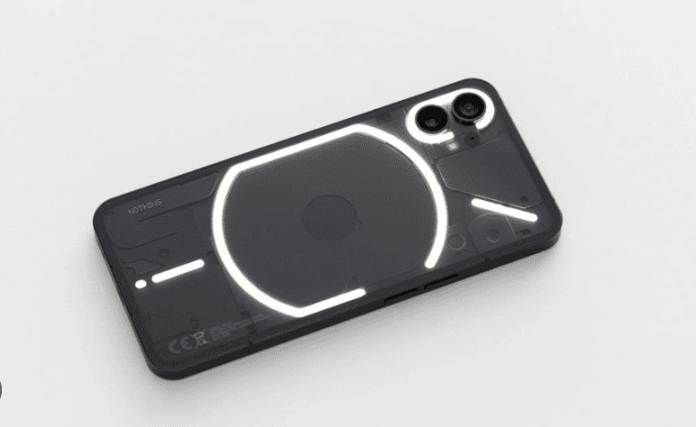
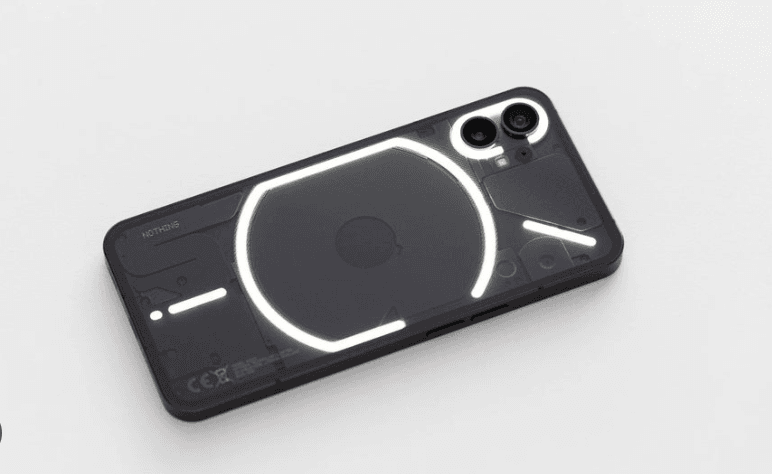
Nothing, the innovative tech company known for its unique and transparent product designs, offers a rare glimpse into an unreleased product that never saw the light of day: the Nothing Power 1. This 3-in-1 portable charger, though fully developed, had to be shelved for various reasons.
Nothing Lineup
The Nothing Power 1 featured a design consistent with Nothing’s flagship products like the Ear 1, Ear 2, Phone 1, and Phone 2. It combined innovative elements such as wireless charging, 65W fast wired charging for laptops and phones, and the functionality of a power bank. Compact in size, it could easily fit inside a shirt pocket.
We learned a lot and grew as a team from Power (1).
In sharing this, I hope that you can take some of our learnings and apply them to yourself! https://t.co/mJw6x5I5va
Carl Pei, the CEO and Founder of Nothing, explained the product’s backstory. The Power 1 was intended to be released following the success of the Ear 1 wireless headphones. At the time, Nothing operated with a relatively small team and limited resources.
“This was the best we could come up with. All these features already exist on the market; we were just packaging them together,” Pei noted. He highlighted that this product would have been a significant achievement for Nothing in 2021, but the company’s ambitions have expanded in 2023.
The Hurdles Faced
Pei disclosed several challenges that contributed to the demise of the Power 1. Firstly, it was difficult to negotiate with suppliers to secure competitive pricing for the product, making it appealing to consumers. Additionally, the product faced performance issues, particularly concerning thermals. The desired charging speed risked overheating issues, posing a substantial problem.
Durability also became a significant concern. The Power 1 failed Nothing’s rigorous drop tests. While the company contemplated redesigning the product, the extensive effort required was deemed disproportionate to the potential rewards. Consequently, the Power 1 project was abandoned.
Wrap-Up: A Missed Opportunity
The Nothing Power 1 stands as a testament to the challenges faced by innovative tech companies as they strive to introduce cutting-edge products.
Carl Pei and the Nothing team opted to redirect their efforts toward more ambitious endeavors, leaving the Power 1 as an intriguing glimpse into what might have been. For those curious about the full story behind Power 1 and its journey from concept to abandonment, the embedded video offers an insightful perspective.
This serves as a reminder of the demanding nature of the tech industry. Even promising innovations may remain unrealized due to practical challenges and evolving goals.
Delhi has witnessed an alarming spike in dengue cases. Nearly 5,000 cases were reported by October 21, 2023. This sudden surge is the highest count in the past five years. It raises concerns about public health and the need for immediate action.
Seasonal Trends and Persistent Threat
The surge in dengue cases in Delhi is particularly concerning as it occurs during the cooler months. Traditionally, the highest number of dengue cases is reported during October and November. Then, there is a subsequent decline in December. The persistence of cases despite the onset of cooler temperatures underscores the gravity of the situation.
Efforts to Mitigate the Outbreak
To address the dengue outbreak, Delhi’s Lieutenant Governor, Vinay Kumar Saxena, has taken proactive steps. Expressing his concern over the rising dengue numbers, he recently held discussions with key officials, including the Chief Secretary, NDMC Chairman, MCD Commissioner, and Secretary of Health.
The focus of these discussions is on ensuring proper sanitation and aggressively tackling mosquito breeding sites. Saxena has also emphasized the need for well-equipped facilities at dispensaries and hospitals to provide timely medical assistance to dengue patients.
Potential Factors Behind the Surge
The rise in dengue cases can be attributed to several factors. Notably, Delhi experienced a significant amount of rainfall this year, with levels not seen in the past 60 years. This excessive rainfall creates stagnant water pools, providing ideal breeding grounds for disease-carrying mosquitoes. While the rainfall is a natural occurrence, experts point out that a lack of preventive measures by the public, such as not eliminating stagnant water in and around their homes, has contributed to the outbreak.
Dengue cases in Delhi to cross 5,000 mark as temperature dips ahead of winter
Since January 1, a total of 4,965 dengue cases have been registered in Delhi. In the last week alone, at least 525 cases of dengue were recorded.
A senior official from the Municipal Corporation of Delhi (MCD) highlighted that stagnant water, primarily found in desert coolers and containers, serves as the primary breeding site for dengue-carrying mosquitoes. Construction sites are also identified as another high-risk area for mosquito breeding. Tackling the surge in cases doesn’t necessarily require new strategies; instead, generating awareness among the public about the importance of eliminating standing water in these containers and reporting construction site concerns is vital.
Medical Community Responds
Medical professionals and hospitals in Delhi have experienced a notable increase in dengue cases in the last month. Dr. Suranjit Chatterjee, a senior consultant in Internal Medicine at Indraprastha Apollo Hospitals, noted that while it’s not a surge, the cases remain persistent. At their hospital alone, approximately four to five dengue patients are seen by a single consultant every day.
Dr. Suresh Kumar, the Medical Director of Lok Nayak Hospital, reported that 15 dengue patients are currently admitted to the hospital’s fever clinic. Dr. Rommel Tickoo, the Director of Internal Medicine at Max Super Speciality Hospital in Saket, acknowledged the rise in cases but anticipates that the numbers will start to decrease as temperatures continue to drop.
The situation in Delhi serves as a reminder of the persistent threat posed by mosquito-borne diseases, requiring a concerted effort from the government, healthcare professionals, and the public to combat the outbreak and mitigate its impact on public health.
At the Snapdragon Summit 2023, Qualcomm has introduced its latest flagship mobile chipset, the Snapdragon 8 Gen 3. This powerful chipset is designed to offer exceptional CPU and graphics performance, enhanced AI capabilities, and remarkable power efficiency. It also boasts improvements in GPU, modem, and connectivity, along with enhanced on-device security features.
One of the standout features of the Snapdragon 8 Gen 3 is its impressive onboard AI capabilities. Qualcomm has embedded high-performance AI throughout the entire system, providing users with premium-level AI performance. This advanced chipset opens up new possibilities for generative AI, enabling users to create unique content, enhance productivity, and explore breakthrough use cases. According to Chris Patrick, senior vice president and general manager of mobile at Qualcomm, “This platform unlocks a new era of generative AI.”
Adoption Across Premium Android Smartphones
The Snapdragon 8 Gen 3 chipset is expected to be integrated into several premium-tier Android smartphones globally. A range of original equipment manufacturers (OEMs) including Asus, Honor, iQOO, Meizu, NIO, Nubia, OnePlus, Oppo, Realme, Redmi, RedMagic, Sony, Vivo, Xiaomi, and ZTE will be launching smartphones based on this innovative chipset.
Key Features of Snapdragon 8 Gen 3
The new AI Engine within this chipset represents a game-changing innovation for on-device generative AI applications. It supports multi-modal generative AI models, including large language models (LLM), language vision models (LVM), and transformer network-based automatic speech recognition (ASR) with up to 10 billion parameters, all processed on-device. This technology enables rapid content creation and delivers personalized AI responses based on user data.
The Hexagon NPU (Neural Processing Unit) in the Snapdragon 8 Gen 3 offers up to 98% faster performance, and the Qualcomm Sensing Hub demonstrates a 3.5x increase in AI performance.
Other Component Features
The chipset includes Qualcomm’s 5G Modem-RF System, Snapdragon X75, which supports advanced 5G capabilities. It features a 5G mmWave and sub-6 GHz system, 5G standalone and non-standalone modes, and impressive downlink and uplink speeds. This ensures seamless 5G connectivity.
Qualcomm’s FastConnect 7800 System provides support for Wi-Fi 7, with peak speeds of 5.8 Gbps, and integrated Bluetooth with advanced audio features.
The chipset also enhances visual experiences with support for 4K at 60 Hz and QHD+ at 144 Hz displays and variable refresh rate support.
Superior CPU and GPU
The Qualcomm Kryo CPU in the Snapdragon 8 Gen 3 features a 64-bit architecture, a prime core running at up to 3.3 GHz, Arm Cortex-X4 technology, five performance cores running at up to 3.2 GHz, and two efficiency cores running at up to 2.3 GHz. The Adreno GPU incorporates real-time hardware-accelerated ray tracing with global illumination, Unreal Engine 5 Lumen Global Illumination and Reflections System support, and many other enhancements for immersive gaming and visual experiences.
Category
Specification
Artificial Intelligence
Fused AI accelerator architecture, Hexagon scalar, vector, and tensor accelerators, support for various precisions (INT4, INT8, INT16, FP16)
Qualcomm Sensing Hub
Dual micro NPUs for audio and sensors, dual Always-Sensing ISPs, support for INT4 precision
5G Modem-RF System
Snapdragon X75 5G Modem-RF System, 5G advanced-ready, 5G mmWave and sub-6 GHz, support for downlink up to 10 Gbps and uplink up to 3.5 Gbps, global 5G multi-SIM
Qualcomm 5G AI Suite Gen 2
Sensor-modem-RF solution for mmWave beam management, AI-enhanced channel state feedback, AI-enhanced antenna tuning, AI-enhanced GNSS Location Gen 2, Qualcomm 5G AI Processor Gen 2
Wi-Fi & Bluetooth
Qualcomm FastConnect 7800 System, Wi-Fi 7 support with peak speed of 5.8 Gbps, integrated Bluetooth with advanced audio features
Camera for Visual Analytics
Hardware acceleration for iToF depth sensors, support for various HDR image sensors, up to 200-megapixel photo capture, AI-based face detection and 3A, video capture in HDR formats (HDR10+, HDR10, HLG, Dolby Vision)
On-Device Display Support, support for 4K @ 60 Hz, QHD+ @ 144 Hz, Variable Refresh Rate support
CPU
Qualcomm Kryo CPU, 64-bit architecture, Prime core running at up to 3.3 GHz, Arm Cortex-X4 technology, Performance cores running at up to 3.2 GHz, Efficiency cores running at up to 2.3 GHz
Visual Subsystem
Adreno GPU, real-time hardware-accelerated ray tracing with global illumination, support for Unreal Engine 5 Lumen Global Illumination and Reflections System, Snapdragon Game Super Resolution, and more
Security
Trust Management Engine (Root of Trust), support for Android’s DICE-based remote key provisioning, Qualcomm Trusted Execution Environment & Services
Location Features
Concurrent GPS, Glonass, BeiDou, Galileo, QZSS, NavIC, triple-frequency GNSS, sensor-assisted positioning, urban pedestrian navigation with sidewalk accuracy, and more
Charging
Quick Charge Technology, fast charging support
Memory Support
Support for LP-DDR5x memory, up to 4800 MHz, memory density up to 24 GB
Specifications of Snapdragon 8 Gen 3
Enhanced Security Features
The Snapdragon 8 Gen 3 comes with security components including a Trust Management Engine, support for Android’s DICE-based remote key provisioning, and Qualcomm Trusted Execution Environment & Services.