

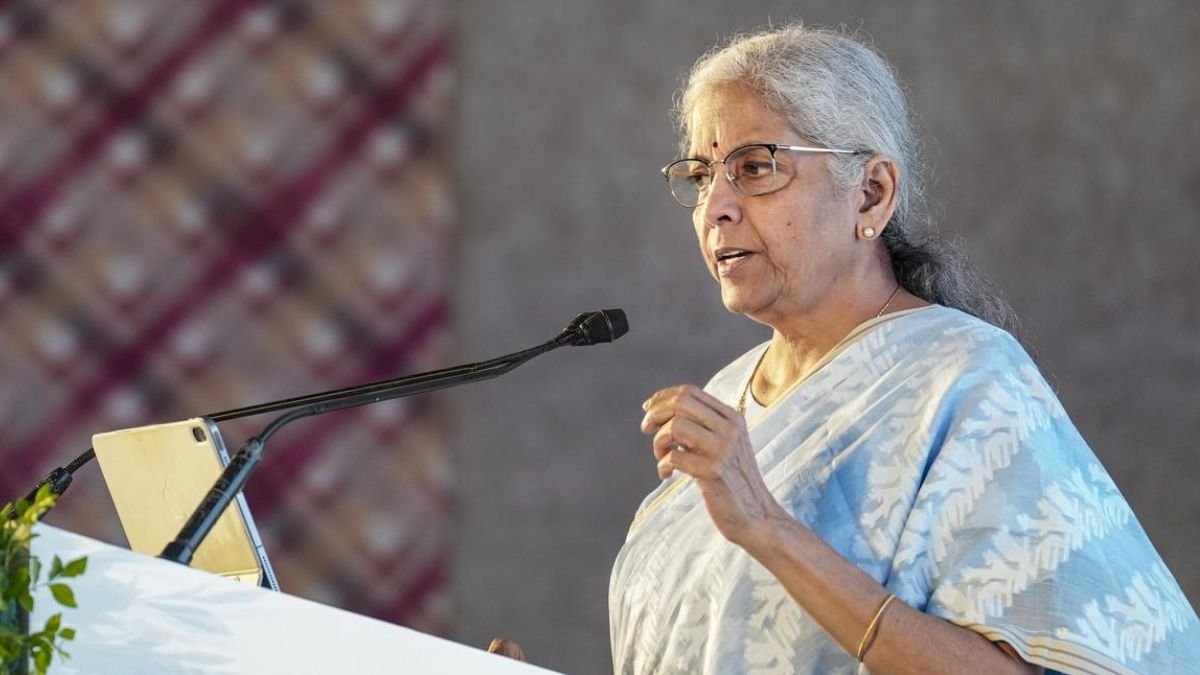
Nirmala Sitharaman on Monday said the Centre is keeping a close watch on the economic consequences of the ongoing West Asia conflict, particularly its impact on fuel supplies, fertiliser costs and India’s foreign exchange reserves.
Addressing an event commemorating the 37th anniversary of the Small Industries Development Bank of India, Sitharaman said the government has been carefully adjusting its policy measures to shield the economy from external shocks while maintaining growth momentum.
She stressed that despite global instability, India’s economic foundations remain stable and resilient.
Government tracking pressure on fuel, fertiliser and forex
The finance minister identified fuel, fertiliser and foreign exchange reserves as the three major areas requiring immediate attention amid the global crisis.
She noted that soaring crude oil prices and unprecedented increases in fertiliser costs were putting additional pressure on the economy, while rising gold prices were creating concerns for the country’s external sector.
According to Sitharaman, the recent reduction in excise duties on petrol and diesel will cost the government close to ₹1 lakh crore in revenue.
Sitharaman dismisses “fearmongering” over economy
The minister also criticised attempts to portray India’s economic situation in an excessively negative light.
Without naming specific individuals or groups, she accused some voices of ignoring the positive developments taking place across the country and instead promoting a pessimistic narrative.
Sitharaman argued that many of the current economic challenges stem from global geopolitical disruptions rather than domestic weaknesses.
She maintained that India’s internal economic conditions continue to remain comparatively strong despite mounting international uncertainty.
The minister added that creating panic or spreading fear about the economy would only weaken public confidence at a sensitive time.
MSME payment delays flagged by Centre
During her address, Sitharaman also highlighted the issue of delayed payments to micro, small and medium enterprises.
She revealed that nearly ₹8.1 lakh crore remains tied up in pending dues owed to MSMEs and urged public sector undertakings to clear payments within the legally mandated 45 day period.
The finance minister warned against avoidable delays that could hurt smaller businesses already facing financial pressure.
West Asia conflict begins impacting India’s economy
The government’s comments come as the economic impact of the West Asia conflict increasingly begins affecting India’s import bill, energy supplies and inflation outlook.
Earlier this month, Narendra Modi urged citizens to spend cautiously and avoid non essential expenses such as gold purchases and foreign travel, signalling concern over the financial consequences of the geopolitical crisis.
Hormuz disruption raises supply concerns
The situation around the Strait of Hormuz has further intensified worries about possible disruptions in shipments of petroleum products and urea, both of which are critical imports for India.
Fuel prices have already witnessed multiple hikes in recent weeks.
State run oil marketing companies on Monday increased petrol prices by ₹2.61 per litre and diesel prices by ₹2.71 per litre.
Since May 15, petrol prices have cumulatively risen by around ₹7.35 per litre, while diesel prices have increased by nearly ₹7.53 per litre.


