

Prime Minister Narendra Modi’s Bharatiya Janata Party (BJP) did not achieve a simple majority in the 543-seat Lok Sabha on Tuesday. However, the National Democratic Alliance (NDA) it leads is still in a strong position to form the next central government, according to experts.
Despite these surprising election results, which significantly weakened the ruling coalition and strengthened the opposition led by the Congress, the ambitious reform agenda of the new government might face delays. Nonetheless, experts believe that, based on the NDA’s track record over the past decade, next-generation structural reforms are expected to proceed, alongside a continued focus on welfare economics.
The new government is anticipated to undertake major policy initiatives, such as implementing the next generation of structural reforms, boosting capital expenditure for infrastructure, and increasing farmers’ income through measures like overhauling the minimum support price (MSP) for crops. Additionally, new welfare initiatives and demand-side measures are likely to be introduced to sustain economic growth.
A former government official, speaking anonymously, suggested that the previous government’s talk of next-generation reforms might not be abandoned if the same coalition returns to power, even with a reduced mandate. The new government would inherit a relatively strong economy, allowing room for further reforms while pursuing welfare economics.
In the 2019 Lok Sabha elections, the NDA won 353 seats, with the BJP securing 303 and the Congress 52. In the latest 2024 elections, the BJP won or led in 240 seats, while the Congress was at 100 as of the latest count on Tuesday.
Recent GDP data supports the economy’s health, with India’s real GDP growing by 7.8% in January-March and achieving an 8.2% growth rate for the 2023-24 fiscal year, marking the third consecutive year of over 7% growth. Government finances are also robust.
However, experts suggest that due to the fractured mandate, the new government will likely focus more on issues like unemployment and rural distress. Abheek Barua, chief economist and executive vice-president at HDFC Bank, anticipates that public spending, especially in infrastructure, will continue, alongside efforts for fiscal consolidation with the RBI dividend. With the election over, addressing unemployment and rural distress will become a higher priority.
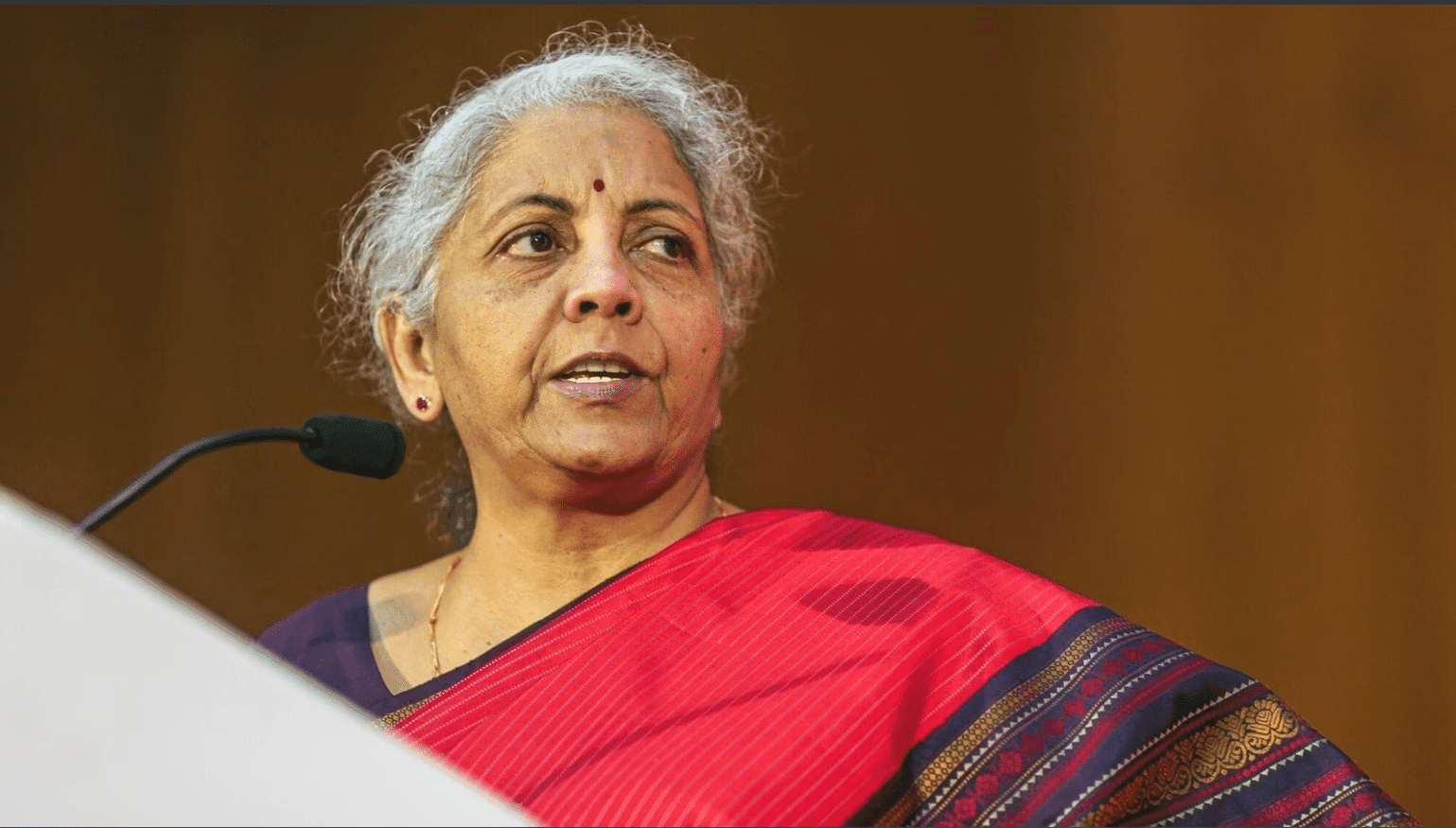
Outgoing Finance Minister Nirmala Sitharaman indicated that if the Modi government is re-elected, it plans to introduce next-generation structural reforms across land, labor, capital, and digital public infrastructure to promote inclusive growth. This would be the focus in the initial months of the new term.
Unfinished measures from previous terms are likely to include legislation advancing land reforms, simplifying industrial land acquisition, and ensuring fair compensation for landowners. In labor, the implementation of new labor codes will allow workforce mobility and create more employment opportunities. Capital reforms will continue towards full convertibility of the rupee, and further digital public infrastructure projects will facilitate easier regulatory implementation.
The new government’s policy should consider India’s medium to long-term growth objectives in the context of global developments. Ensuring medium-term growth of 7% plus in both urban and rural areas will require maintaining the savings ratio at 31-32% of GDP. The recent drop in household sector financial savings to 5.1% of GDP in FY23 needs addressing. Combined with net capital inflow of 1.5-2% of GDP, this would support an investment ratio of 35-37% in real terms, benefiting from a lower capital goods price deflator that provides a margin of 2-3 percentage points when converting nominal to real investment ratios, according to DK Srivastava, chief policy advisor at EY India.


