

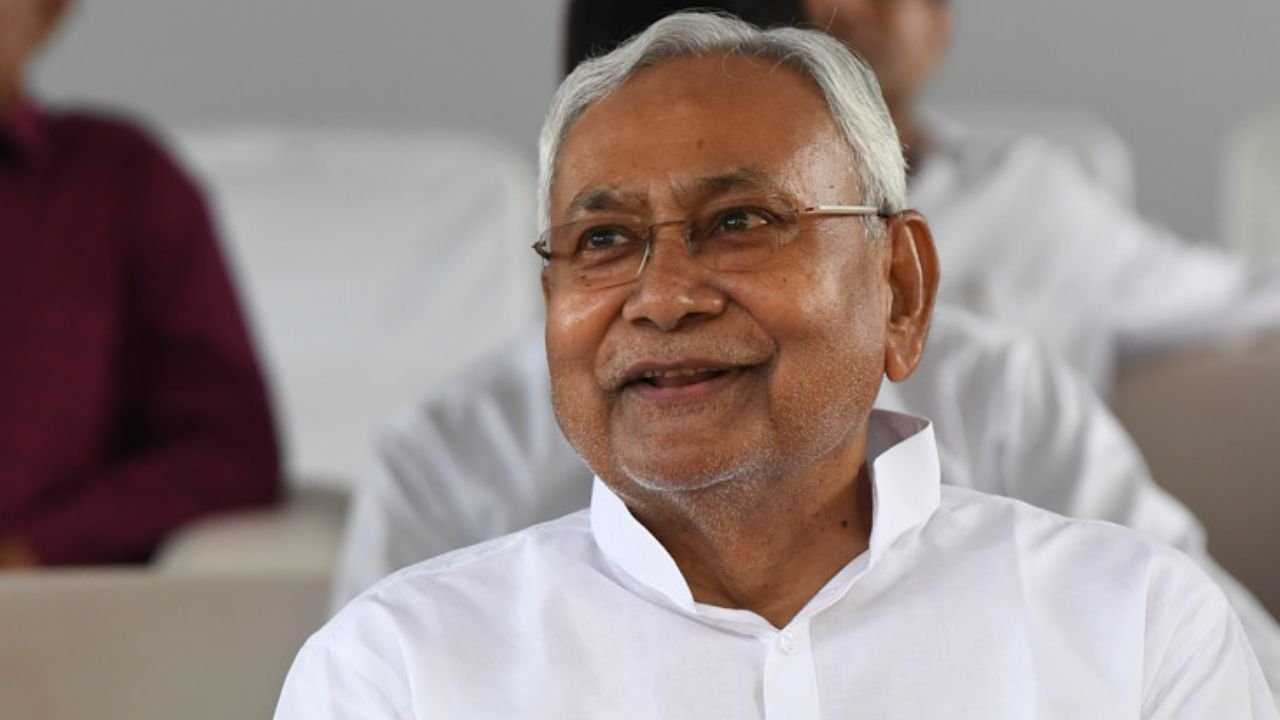
Nitish Kumar, serving as Bihar’s Chief Minister for multiple terms since 2005, has emerged as one of India’s most experienced state leaders, known for his political manoeuvring and focus on development initiatives.
About Nitish Kumar Political Background
Nitish Kumar began his political career with the Janata Dal and later became a founding member of the Janata Dal (United) in 1997.
Before becoming Chief Minister, he served as a Member of Parliament and held cabinet positions in the central government, including Railway Minister from 1999 to 2004.
Chief Ministerial Tenure
Nitish Kumar first became Bihar’s Chief Minister in November 2005, leading the National Democratic Alliance government.
His tenure has been marked by multiple coalition arrangements and party switches. He has served as Chief Minister across different periods, working with various alliance partners including the BJP and RJD at different times.
Key Governance Initiatives
Under his leadership, Bihar has implemented several welfare schemes targeting women, including the Mukhyamantri Mahila Rojgar Yojana announced in 2025, which provided ₹10,000 to 7.5 million women for entrepreneurial ventures. His administration has emphasized infrastructure development, with thousands of projects launched across roads, health, education, and rural development sectors.
The government has focused on women’s empowerment through Self-Help Groups under the Jeevika program, which has grown to include 1.1 million groups statewide.
Other initiatives include increases in old-age pensions, enhanced allowances for panchayat representatives, and improved honorarium for healthcare workers.
Political Strategy
Nitish Kumar’s political career has been characterized by strategic alliance shifts.
He has alternated between partnerships with the BJP and opposition parties, most recently rejoining the NDA alliance. This pattern has drawn both criticism and recognition for political pragmatism.
Challenges and Criticism
His governments have faced criticism regarding law and order, migration of workers to other states, and economic development pace. Opposition parties, particularly the RJD, have challenged his administrative record and accused his government of political opportunism ahead of elections.
Current Term
As of 2025, Kumar leads the Bihar government alongside Deputy Chief Ministers Samrat Choudhary and Vijay Kumar Sinha.
His administration continues implementing large-scale infrastructure projects and welfare schemes as the state prepares for assembly elections.


