
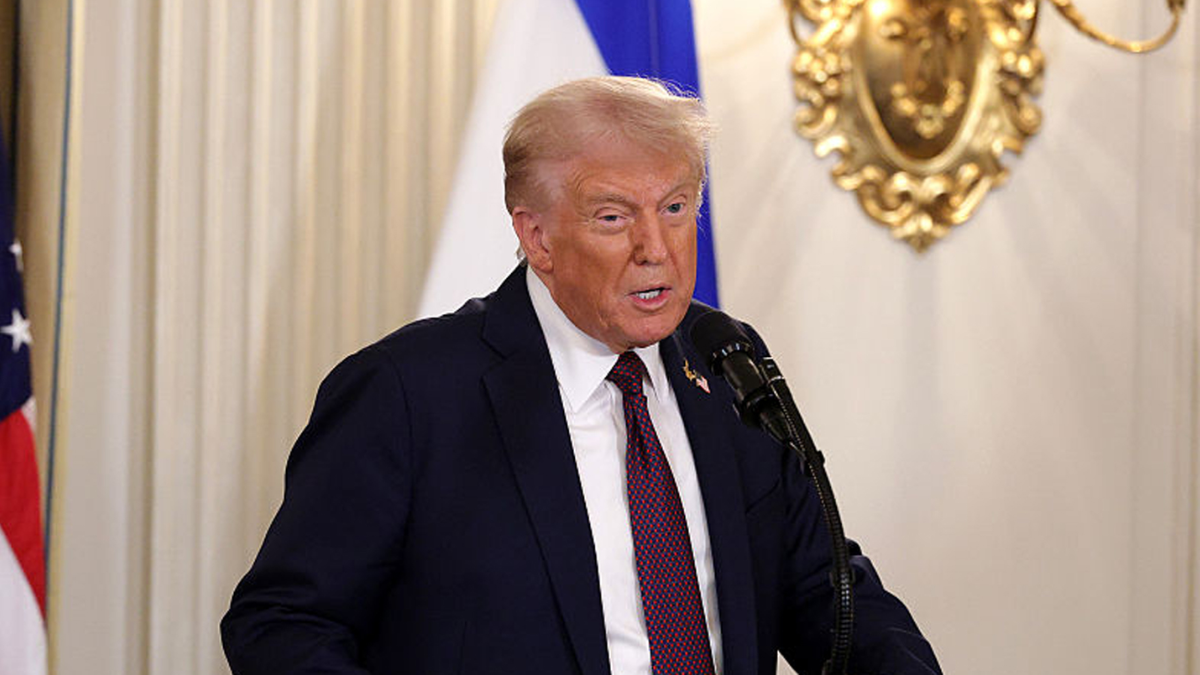
The Donald Trump administration has introduced stricter screening procedures for H-1B visa applicants, directing officials to deny visas to anyone found to have participated in restricting free speech. These instructions were detailed in a State Department communication sent to American diplomatic missions on December 2.
The cable, viewed by Bloomberg and first reported by Reuters, warned consular officers to pay special attention to “applicants responsible for or complicit in censorship of Americans.”
The H-1B programme is intended for highly skilled foreign workers and is heavily relied upon by the technology sector, including major social media platforms that Trump has repeatedly criticised over claims of censorship. While the new vetting rules apply to all visa categories, the cable notes that H-1B applicants are more likely to be employed in tech or financial firms that could be associated with limiting protected speech.
This shift in policy follows Trump’s recent promises to further restrict legal immigration after a National Guard member was killed in an ambush near the White House. Earlier this year, the US also introduced a one-time application fee of $100,000 for each H-1B petition.
Under the new guidelines, consular officers are instructed to review applicants’ resumes, LinkedIn profiles, and coverage in industry publications. Activities that could raise concerns include complying with censorship requests from foreign governments or enforcing global content moderation rules that conflict with US standards on free expression.
The State Department has not yet issued a public statement on the policy.
This development comes months after Secretary of State Marco Rubio ordered enhanced review of the social-media presence of foreign applicants seeking to study at Harvard University. At the time, Rubio instructed consular staff that even the absence of an online footprint could justify denying a visa.


