

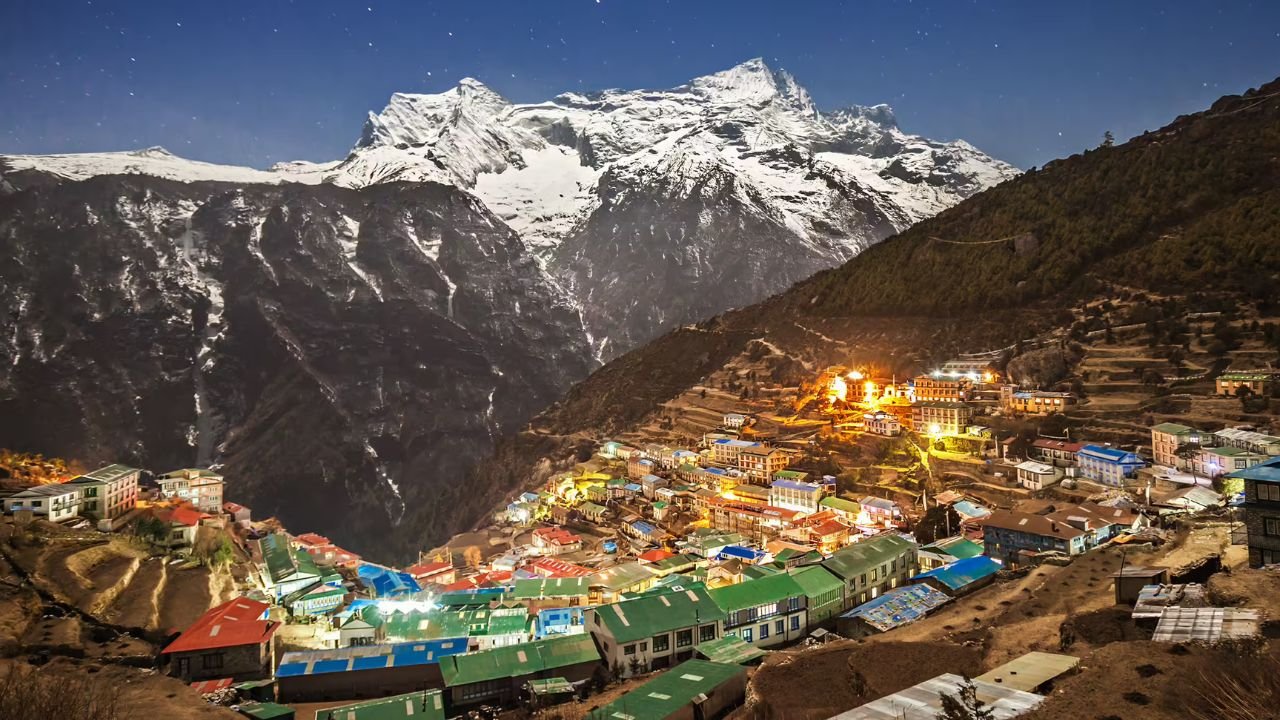
While Nepal has dominated international news due to political unrest and youth-led protests, the landlocked nation between India and China represents far more than current turbulence. Home to extraordinary geographical landmarks and profound spiritual heritage, Nepal remains a country of significant cultural and historical importance.
Nepal: Strategic Location and Demographics
Kathmandu serves as Nepal’s political, cultural, and economic center, hosting several UNESCO World Heritage sites alongside historic temples and bustling commercial districts. According to the World Health Organization, Nepal’s population reached 29.6 million in 2023, with projections indicating a 17 percent increase to 34.6 million by 2050.
Nepal maintains an open border with India spanning five Indian states: Sikkim, West Bengal, Bihar, Uttar Pradesh, and Uttarakhand. These boundaries facilitate strong cultural, linguistic, and religious connections between populations on both sides.
Administrative Structure and Geography
Nepal’s federal system, established under the 2015 Constitution, divides the nation into seven provinces and 77 districts, each maintaining local administrative autonomy. Geographically, three distinct regions characterize the country: the mountainous Himalayan north, the Mid-Hill region, and the fertile Terai plains along the southern belt.
UNESCO Recognition and Cultural Treasures
Nepal boasts two UNESCO-recognized natural sites: Sagarmatha National Park and Chitwan National Park. Cultural heritage sites include Kathmandu, Patan, and Bhaktapur Durbar Squares, plus religious landmarks such as Swayambhunath Stupa, Pashupatinath Temple, Boudhanath Stupa, and Changu Narayan Temple.
Spiritual and Natural Landmarks in Nepal
Lumbini holds profound Buddhist significance as Lord Buddha’s birthplace in 623 BC. The Ashokan pillar, erected in 249 BC, continues marking this sacred location, establishing it among the world’s most important Buddhist pilgrimage destinations.
Mount Everest, standing at 8,848 meters, represents the world’s tallest peak. While summit attempts capture global attention, the Everest Base Camp trek attracts thousands of adventure seekers annually.
Unique National Identity
Nepal’s distinctive non-rectangular national flag features red backgrounds with blue borders, displaying the sun and crescent moon symbols—making it the only non-rectangular national flag worldwide.
From Buddha’s birthplace to Everest’s summit, Nepal’s contributions to global culture and geography extend far beyond current political challenges.


