

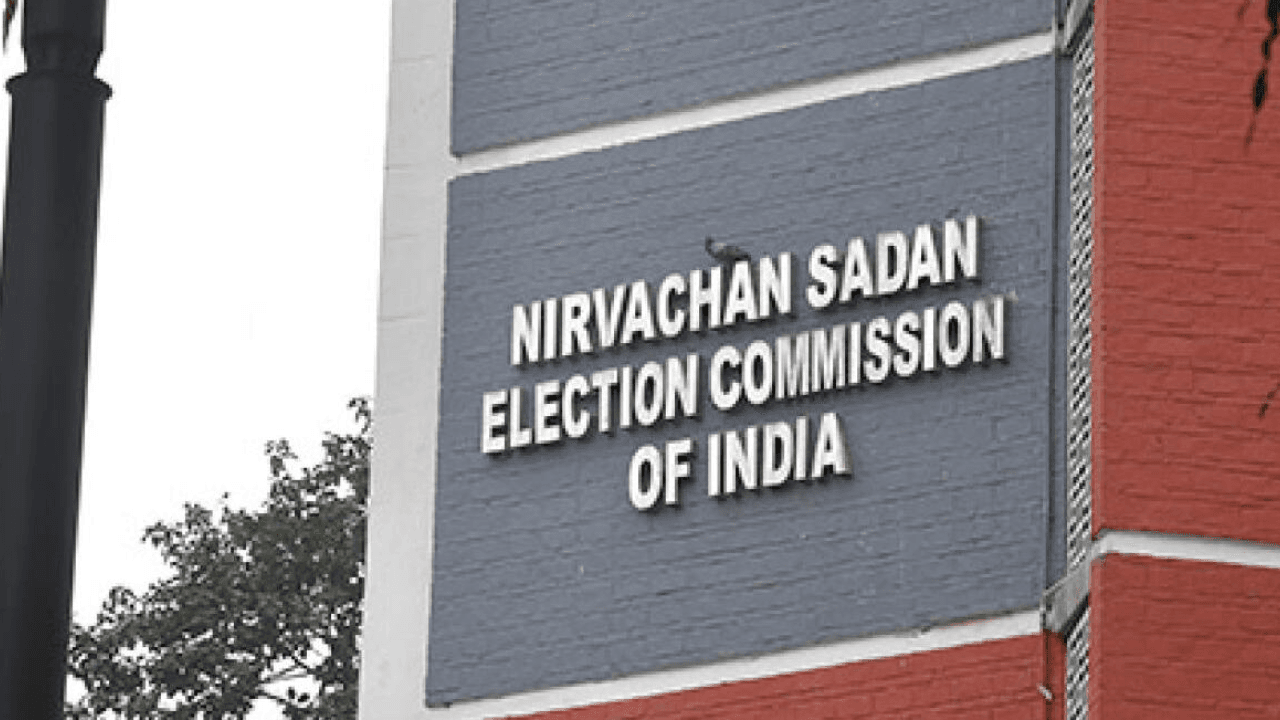
The Election Commission (EC) on Friday unveiled the draft voter rolls for Bihar, following the conclusion of its month-long Special Intensive Revision (SIR) exercise, ahead of the state’s upcoming assembly elections.
Although the EC has not shared a consolidated figure from the newly released draft, individuals can check their voter status online through the official portal.
Before the revision began in June, Bihar had 7.93 crore registered voters, according to EC data. The revised count remains undisclosed for now. Physical copies of the updated lists will be provided to political party representatives later in the day, officials confirmed.
With the publication of the draft rolls, the phase for filing claims and objections has officially begun and will remain open until September 1. During this period, voters can report issues such as wrongful deletions and seek necessary corrections.
As part of the first stage of the SIR drive, booth-level officers (BLOs) and party-nominated booth-level agents (BLAs) distributed enumeration forms to voters, who were expected to return them signed along with valid identity documents. Citizens also had the option to complete the process digitally.
The drive concluded on July 25. According to the EC, 7.23 crore people submitted their forms. Additionally, 35 lakh were found to have permanently moved away or were unreachable. Another 22 lakh were marked as deceased, and 7 lakh were flagged for being listed in more than one constituency. About 1.2 lakh voters did not return the forms at all.
This extensive revision campaign spanned 77,895 polling stations, involving over 1.60 lakh BLAs and volunteers, overseen by 243 Elector Registration Officers and nearly 3,000 assistant officials.
Meanwhile, opposition parties have raised concerns, alleging that the revision drive was politically motivated to favor the ruling NDA. Legal challenges were brought before the Supreme Court, which recently stated that the goal of such an exercise should be broad-based inclusion—not widespread removal.


