

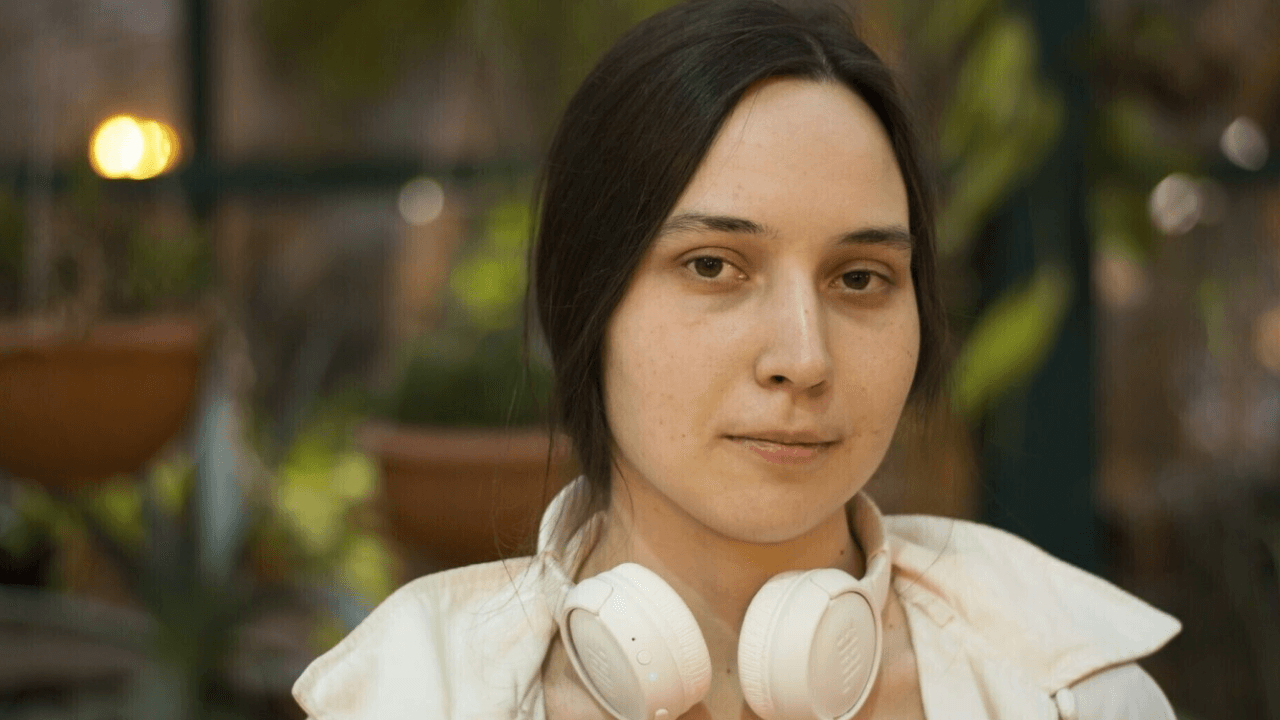
A Harvard University scientist originally from Russia has been indicted on additional charges related to the alleged smuggling of frog embryos into the United States. The indictment comes just weeks after her attorneys successfully petitioned for her release from federal custody.
Federal prosecutors in Boston announced that a grand jury has charged 30-year-old Kseniia Petrova with concealment of a material fact, making a false statement, and smuggling goods into the country. She was initially charged only with smuggling in May, but the new charges increase her legal jeopardy and follow her legal team’s request to dismiss the original complaint.
Petrova’s legal representatives have not yet commented on the new developments.
The updated indictment was issued after Petrova was granted bail on June 12. She had been in detention since February 16, when U.S. immigration authorities apprehended her at Boston’s airport upon her return from France.
Supporters argue her detention reflects a broader trend under former President Donald Trump’s administration, which implemented strict immigration policies that led to visa revocations and detentions of international students and scholars.
According to prosecutors, U.S. Customs and Border Protection officers flagged Petrova’s checked duffle bag and discovered undeclared frog embryos. Petrova, a researcher at Harvard Medical School, claimed the embryos were intended for laboratory use at the request of her supervisor. However, officials stated that the materials should have been declared upon entry into the U.S., as they qualify as regulated biological substances.
Authorities also claim that Petrova initially denied possessing any biological materials, later expressing uncertainty about whether she was required to declare them. Text messages revealed by prosecutors allegedly show a colleague reminding her to seek permission before transporting the samples.
Following the incident, Petrova’s visa was revoked, and she was taken into immigration custody, facing the possibility of deportation to Russia—a country she reportedly fears returning to due to her opposition to the war in Ukraine.


