

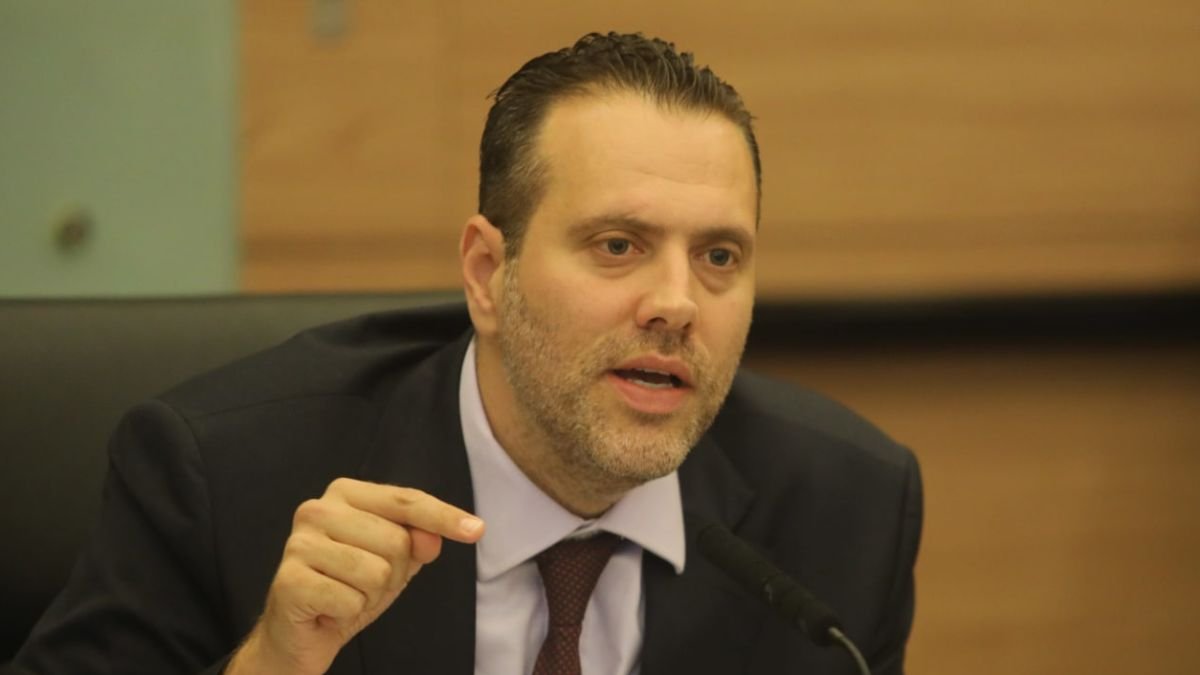
An Israeli minister has reportedly hinted at a possible clash with the United States over Washington’s peace agreement with Iran, warning that the two allies could soon find themselves at odds over the issue.
The remarks were made by Israeli Culture and Sports Minister Miki Zohar, who criticized the US approach towards negotiations with Tehran and questioned the effectiveness of the recently announced agreement.
“The conduct of the US at this moment regarding the Iranian issue is not good. They do not understand who they are dealing with. The US will find itself on a collision course with Israel in the near future, and our response to the US will not be automatic. Our security interests will determine our military actions,” Zohar was quoted as saying by an Israeli news outlet, according to Al Jazeera.
The comments come as rare public differences emerge between Israel and the United States over Washington’s memorandum of understanding with Iran, aimed at ending the West Asia conflict that began on February 28 and disrupted regional stability and global markets. The two allies have also disagreed over Israel’s military posture in southern Lebanon.
Zohar further cast doubt on the long-term success of the agreement, arguing that it would not resolve concerns surrounding Iran’s nuclear ambitions.
“In my view, a US agreement will not solve the nuclear weapons issue, and the military phase of the conflict will return much sooner than many expect,” he said.
Disagreement over Lebanon remains a key issue
One of the most contentious elements of the 14-point US-Iran memorandum concerns Lebanon. The agreement calls for an immediate and permanent end to military operations across all fronts, including Lebanon, and reaffirms support for Lebanon’s sovereignty and territorial integrity.
However, several questions remain unresolved. Israel is not a party to the agreement, which was negotiated directly between Washington and Tehran, while the conflict in Lebanon primarily involves Israeli forces and Hezbollah.
Israeli Defence Minister Israel Katz has made it clear that Israel has no intention of withdrawing its troops from southern Lebanon, regardless of potential pressure from the United States.
According to reports carried by The Times of Israel, Katz said Israeli forces would remain deployed in the area even if Washington demanded a withdrawal.
Discussing the future of the security zone, Katz also ruled out the immediate return of displaced Lebanese residents, stating that around 200,000 people would not be allowed back for now. He argued that previous experiences in security zones had exposed Israeli troops to roadside bombs and other attacks, making continued military control necessary.
“What happened in the past in security zones, where civilian populations remained present, was a series of attacks against our soldiers. We will not allow that situation to repeat itself,” Katz said.
Israeli leadership reiterates military position
Katz’s remarks followed a high-level discussion involving Prime Minister Benjamin Netanyahu, the Defence Minister, IDF Chief of Staff Lieutenant General Eyal Zamir and Northern Command chief Major General Rafi Milo.
Following the meeting, the leaders issued a joint statement reaffirming Israel’s commitment to maintaining military operations against perceived threats in Lebanon.
“The IDF will continue acting decisively against threats to our soldiers and civilians, destroy terror infrastructure, and maintain the security zone in southern Lebanon,” Netanyahu, Katz and Zamir said.
Israeli forces seized portions of southern Lebanon after hostilities escalated when Hezbollah launched attacks in support of Iran following joint US-Israeli strikes on Iranian targets.
Although a ceasefire has largely held since Sunday, marking the longest pause in fighting so far, Israeli troops remain stationed deep inside southern Lebanon. Israeli officials maintain that the deployment is necessary to protect communities in northern Israel from future Hezbollah attacks.


