

As the conflict between Iran and the United States continues to raise fears of a global energy crisis, the United Arab Emirates is moving to significantly expand its crude oil export capacity while reducing dependence on the Strait of Hormuz.
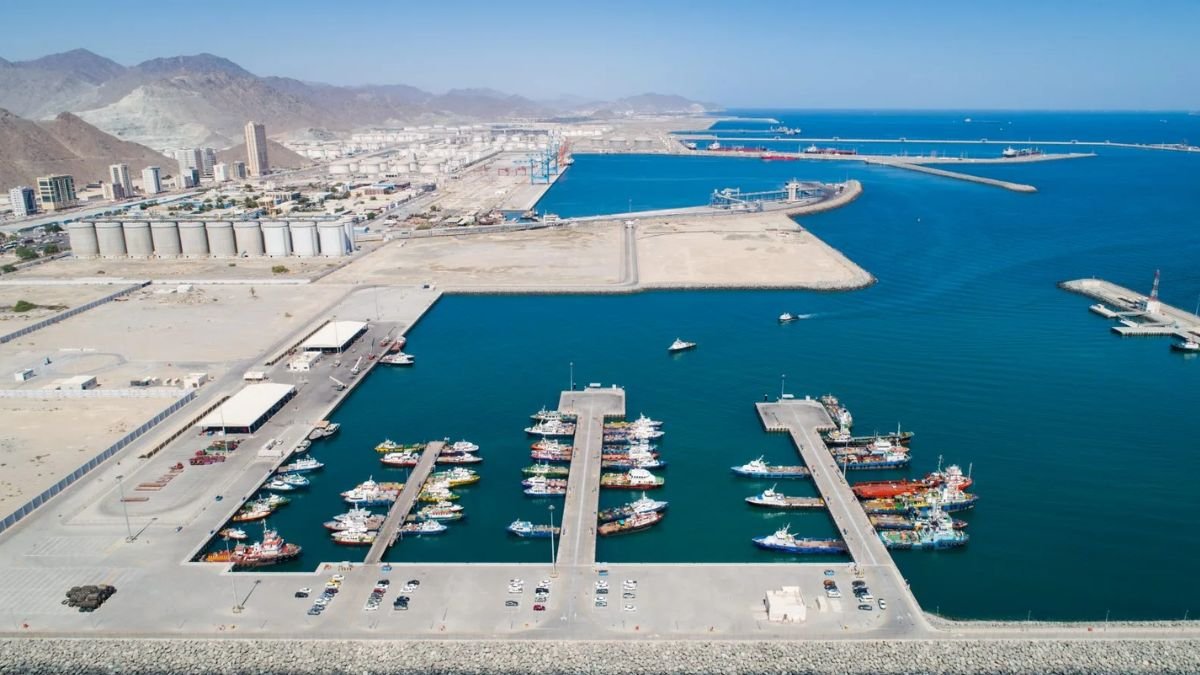
According to a statement issued by the UAE media office, Abu Dhabi National Oil Company is accelerating plans to increase the capacity of its Fujairah export terminal on the Gulf of Oman through the construction of a new pipeline network linked to the port.
The UAE government said the project is being fast-tracked with the aim of doubling the country’s crude export capacity by 2027.
At present, ADNOC already operates a pipeline capable of transporting around 1.5 million barrels of oil per day from inland oil fields to Fujairah. However, that remains less than half of the company’s total export capability.
Fujairah has become increasingly important since Iran tightened control over the Strait of Hormuz during the ongoing conflict. The waterway handles nearly one-fifth of the world’s oil supply and remains one of the most strategically important energy routes globally.
With tensions disrupting shipping through Hormuz, the UAE and Saudi Arabia have emerged as the only Gulf producers still able to maintain significant oil exports by relying on alternative routes that bypass the chokepoint.
Other Gulf nations, including Kuwait, Iraq, Qatar, and Bahrain, remain heavily dependent on the Strait of Hormuz for their exports.
The UAE’s push to expand pipeline infrastructure also follows its recent exit from the Organization of the Petroleum Exporting Countries, giving Abu Dhabi greater freedom to independently manage oil production and export decisions.
With that flexibility, the UAE is now aiming to ramp up production and strengthen supply capacity as global energy demand rises due to instability in West Asia.
PM Modi visits the UAE
Separately, Narendra Modi made a brief two-hour visit to the UAE during which both countries signed several agreements related to energy and strategic cooperation. The agreements included partnerships covering liquefied petroleum gas supply and petroleum reserve management. India and the UAE also signed defense-related agreements and a deal to establish a ship repair cluster in Vadinar, Gujarat.


