

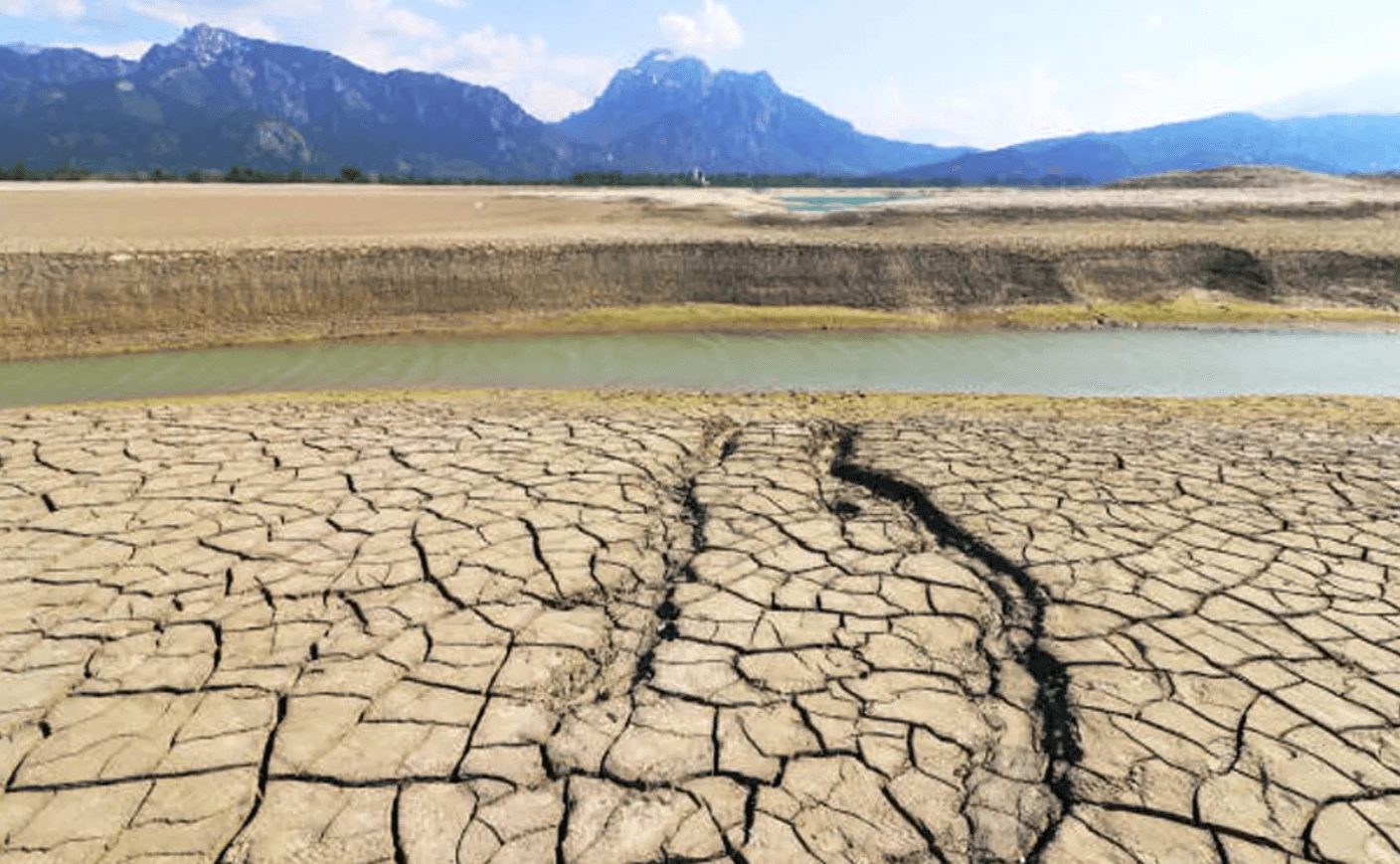
Concerns over water availability for drinking and irrigation persist in India as water levels in the country’s major reservoirs remain alarmingly low.
Water levels in the country’s 150 major reservoirs are at just 22% of their total capacity. While 28 reservoirs have 50% of normal water storage capacity, 85 reservoirs report about 80% of normal storage, and 65 reservoirs have 80% or below normal storage, according to a bulletin from the Central Water Commission on Thursday.
The central region is among the worst affected, followed by the western region, which is also experiencing significantly low water availability.
In a slightly positive development, water levels have not declined further from the previous week, thanks to the progress of the monsoon in southern India. Prior to this, the water level had consistently dropped for 35 weeks straight.
The monsoon is progressing rapidly in South Peninsula India. After the southwest monsoon made its onset on the Kerala coast on 31 May, one day ahead of its typical date, Bengaluru received its highest single-day rainfall, breaking a 133-year-old record on 2 June. South Peninsula India has received 50% excess rainfall since 1 June.
India’s weather bureau has forecast that the country will likely receive above-normal rainfall at 106% of the long-period average (87 cm) this June-September monsoon season, with the El Niño weather phenomenon turning neutral and benign La Niña conditions setting in by August-September.
Rains during the June-September monsoon season are crucial for India’s economy. The season accounts for nearly 75% of the country’s annual rainfall, which plays a crucial role in agriculture, replenishes reservoirs and aquifers, and helps meet power demand. An estimated 56% of the net cultivated area and 44% of food production depend on these rains.
Data shows the available water level this week in the reservoirs was 38.491 billion cubic meters (BCM), lower than last year’s 48.592 BCM and the average of the previous 10 years’ 41.953 BCM.
Live storage available in the 150 reservoirs as of Thursday was 79% of the corresponding period last year and 92% of the average of the previous 10 years.
The southern regions saw a slight improvement as storage in 42 reservoirs increased marginally to 14% of the 53.334 BCM capacity at 7.568 BCM. A year ago, the level was 22% of capacity and 19% of the 10-year average.


