

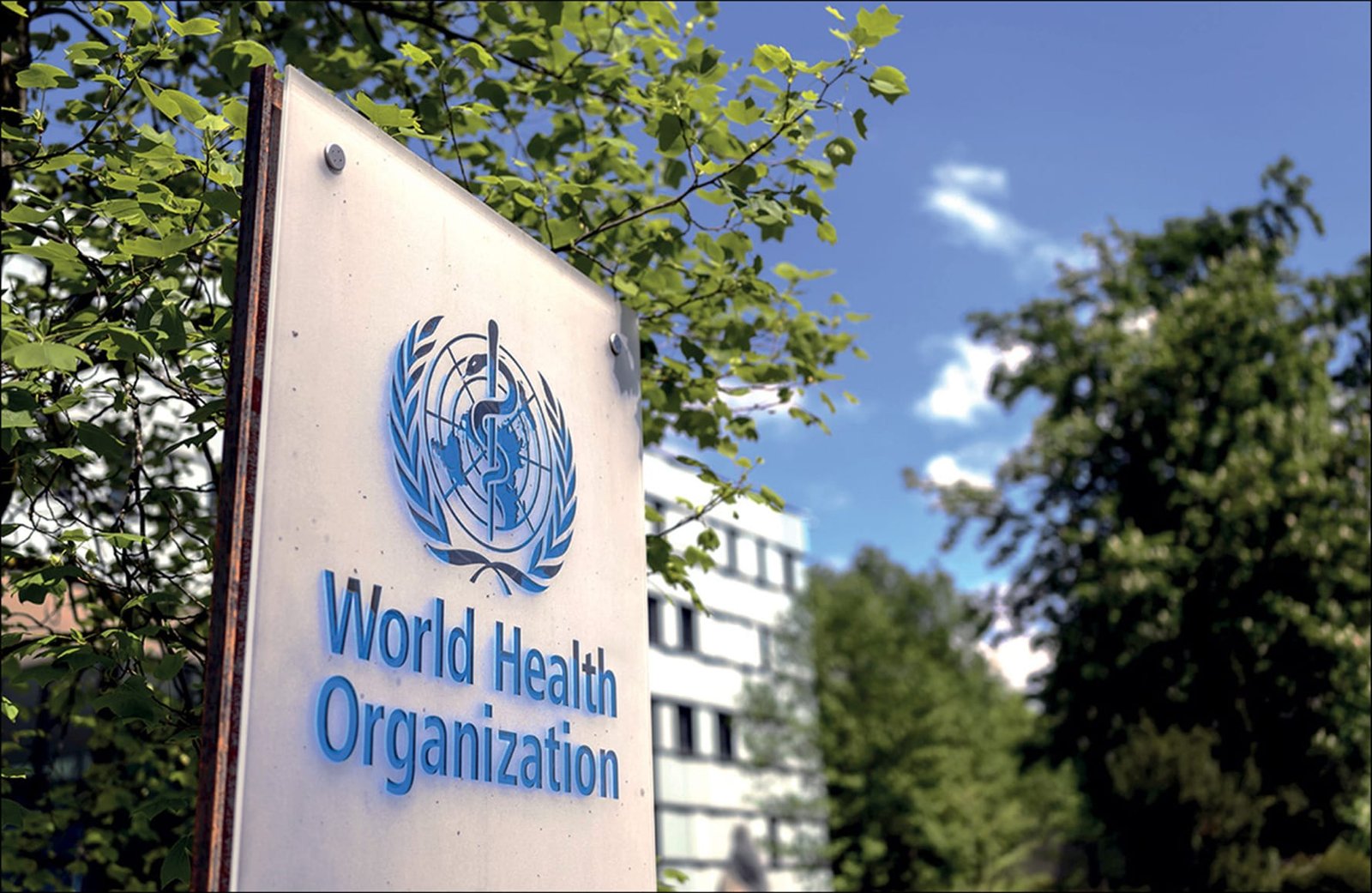
According to a Reuters report, the World Health Organization (WHO) announced on June 11 that a four-year-old child in West Bengal had been infected with the H9N2 bird flu virus.
The child was hospitalized in February in a local paediatric intensive care unit (ICU) with severe respiratory issues, high fever, and abdominal cramps. After three months of diagnosis and treatment, the patient was discharged.
The WHO indicated that the child had been in contact with poultry both at home and nearby. No respiratory illness symptoms were observed among family members and other close contacts.
Details about the child’s vaccination status and antiviral treatment were unavailable at the time of reporting.
This marks the second human case of H9N2 bird flu reported in India, with the first occurring in 2019.
While the H9N2 virus typically causes mild illness, the WHO noted that sporadic human cases may continue. The virus remains widespread among poultry in various regions.
The Indian health ministry had not responded to inquiries as of late hours.
In related news from Australia, supermarket chain Coles has limited customers to two cartons of eggs per day in all states except Western Australia to prevent the spread of avian influenza, as reported by Bloomberg.
On June 10, Agriculture Minister Murray Watt assured the public that Australian eggs are safe to consume and there is no risk of contaminated eggs entering the supply chain.
This decision follows the detection of the highly pathogenic H7N3 strain of avian influenza at a fifth farm in Victoria last week. Over half a million chickens have been euthanized, and approximately 450,000 eggs are being destroyed daily to contain the virus, according to the Australian Broadcasting Corp.
Quarantine zones have been established to limit the movement of birds, feed, and equipment near the affected farms since the first cases were detected last month.
Additionally, a man in Mexico died last week after contracting the H5N2 bird flu, a strain not previously confirmed in humans.
The H7N3 strain is different from the H5N1 strain of bird flu, which has severely impacted wild birds and mammals globally in recent years but has not been found in Australia. In March, H5N1 was reported in dairy cows in the US, contaminating milk supplies and causing non-serious eye infections in two farm workers.


