

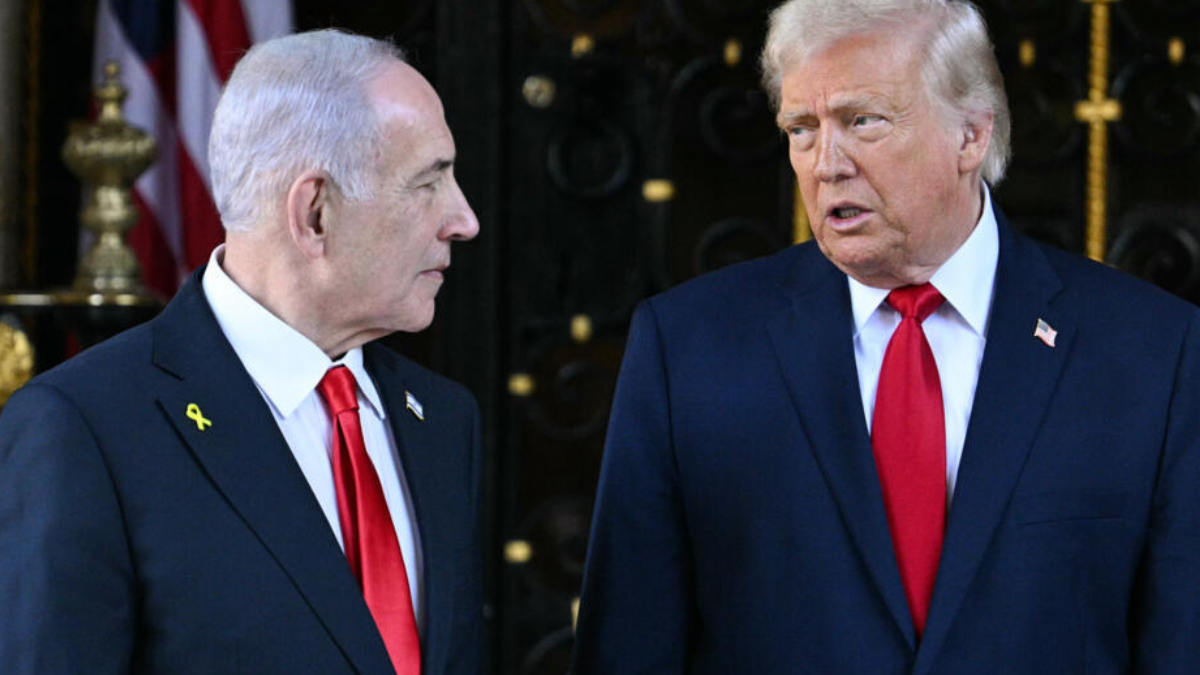
Public differences between Donald Trump and Benjamin Netanyahu are increasingly moving into the open as tensions surrounding Iran and Lebanon continue to test relations between Washington and Tel Aviv.
The latest signs of strain emerged after Trump openly revealed that he once called Netanyahu “crazy” during a heated phone exchange, while Netanyahu later admitted that the two leaders occasionally clash over strategy even though they remain aligned on broader goals.
Speaking during an appearance on The New York Post’s podcast “Pod Force One,” Trump said he grew frustrated over Israel’s military actions against Hezbollah in Lebanon, believing the operations were making ongoing diplomatic efforts with Iran more difficult.
Despite the disagreement, Trump attempted to downplay any suggestion of a major fallout.
“We’ve worked very well together. I like Bibi a lot,” Trump said during the interview.
Netanyahu, speaking separately to CNBC, also acknowledged that there are occasional differences between the two leaders but insisted the relationship remains stable.
“He respects me. I respect him. We always find a way to work out our differences,” Netanyahu said.
The Israeli leader described the disagreements as largely tactical rather than ideological, saying both governments still share “common goals” and remain aligned on key regional priorities.
Mounting pressure over Iran conflict
Trump’s comments also highlighted the growing pressure facing his administration as negotiations linked to Iran drag on amid rising global economic concerns.
With oil prices climbing and uncertainty surrounding the Strait of Hormuz affecting international markets, the White House has faced increasing demands to prevent a wider regional escalation.
Complicating matters further is the expanding confrontation between Israel and Hezbollah along the Lebanon border, which has become deeply tied to the broader Iran crisis.
Iran has reportedly insisted that any future ceasefire or diplomatic breakthrough must also address the fighting involving Hezbollah, effectively linking both conflicts together.
Israel and Lebanon agree to fragile new arrangement
Amid those tensions, Israel and Lebanon announced on Wednesday that they had agreed to renew a fragile ceasefire framework and create several experimental security zones inside Lebanese territory where Hezbollah fighters would not be allowed to operate.
The understanding emerged after a fourth round of US mediated talks held at the State Department in Washington.
According to a joint statement, the arrangement depends on a complete halt to Hezbollah attacks and the withdrawal of Hezbollah personnel from areas south of the Litani River near the Israel Lebanon border.
Under the proposed arrangement, the Lebanese army would gradually assume control over those areas.
The statement described the move as an important step towards achieving broader regional stability and long term security arrangements.
It also stressed that decisions regarding Lebanon’s future should remain solely in the hands of the sovereign governments involved, while rejecting outside interference from state or non state actors.
Notably, Hezbollah itself has not directly participated in the negotiations, which have largely taken place through diplomatic representatives since last month.
Another round of talks is reportedly scheduled for the week of June 22 as mediators continue pushing for a more comprehensive agreement.
Trump cautious on timeline for resolution
Trump avoided offering any clear timeline regarding the end of tensions with Iran or the reopening of the Strait of Hormuz, one of the world’s most critical oil shipping routes.
Asked whether the waterway could remain disrupted through the Labor Day holiday in September, Trump said he believed the situation would likely stabilise sooner.
“I think this will resolve itself fairly quickly,” he said, while acknowledging uncertainty around the situation.
Trump also claimed that Iran’s Supreme Leader Mojtaba Khamenei remains directly involved in ongoing negotiations.
Earlier this week, Israel and Lebanon had already reached another US backed understanding under which Israel agreed to avoid targeting Beirut’s southern suburbs while Hezbollah committed to suspending attacks on northern Israel.
The broader conflict has continued to exact a heavy human cost. According to Lebanese authorities, more than 3,400 people have been killed in Lebanon while approximately 1.2 million have been displaced since hostilities escalated.
Israeli officials, meanwhile, say at least 27 soldiers and a defence contractor have been killed in or near southern Lebanon, alongside two civilian deaths in northern Israel.


