

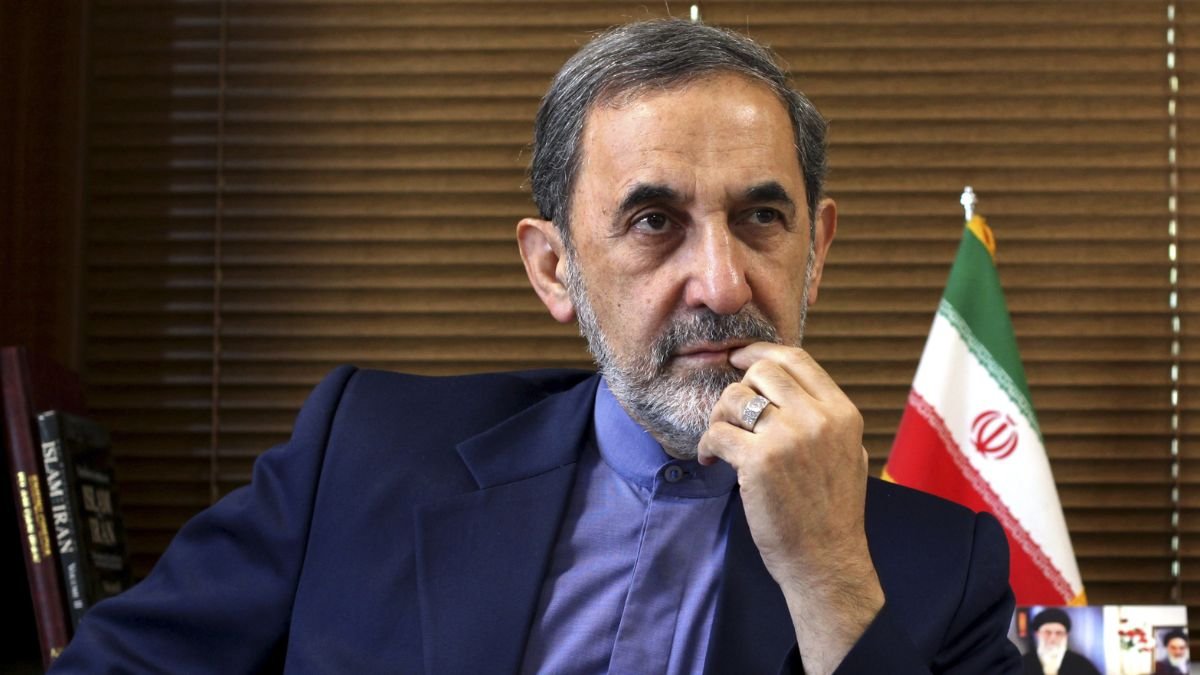
Ali Akbar Velayati, an adviser to Iranian Supreme Leader Ayatollah Mojtaba Khamenei, on Friday launched a sharp attack on Western nations, accusing them of bringing “nothing but plunder and violence” to West Asia while asserting that the stability of Gulf countries has long depended on Iran’s stewardship of the Strait of Hormuz.
His remarks came shortly after US Secretary of State Marco Rubio concluded a visit to the Gulf, where he discussed the interim US-Iran agreement with regional allies.
In a post on X, Velayati claimed that Iran’s role in managing the strategic waterway had ensured stability across the region.
“The stability of Persian Gulf Arab states is indebted to Iran’s century-long management of the Strait of Hormuz. The West has brought nothing to the region but plunder and violence,” he wrote.
He also criticized several Gulf nations, describing them as “political minors of the periphery” and warning that their future depended on Tehran’s goodwill.
“These political minorities of the periphery should not be comforted by commissioned statements. Know this, your survival feeds off the scraps of this table. In the great realignment, peripheral minor players have no seat at the table. They are eliminated, and their strategic survival is at the mercy of Tehran’s tolerance,” Velayati added.
Iranian remarks follow Rubio’s warning
Velayati’s comments came a day after Rubio cautioned that any Iranian attempt to obstruct shipping through the Strait of Hormuz would have serious consequences for Tehran.
Wrapping up his Gulf tour, Rubio told reporters that if Iran threatened or blocked maritime traffic in the strategic waterway, “we’re going to have a problem.”
In a joint statement, Rubio and the Gulf Cooperation Council (GCC) reaffirmed their support for “free, unconditional, and unrestricted navigation” through the Strait of Hormuz, opposing any attempt to impose tolls or assert unilateral control. The statement also stressed that any lasting peace agreement must address Iran’s ballistic missile programme, drone capabilities and support for proxy groups.
Iran reasserts control over Hormuz
Tehran doubled down on its position on Friday, insisting that it retains an important role in overseeing navigation through the Strait of Hormuz while warning Gulf nations against aligning with the United States.
The statement came a day after an incident involving a vessel near Oman once again highlighted tensions despite the preliminary agreement aimed at ending the conflict.
Iranian officials described the US GCC statement as “interventionist, irresponsible and provocative.”
“Safe passage through the Strait of Hormuz cannot be guaranteed under ambiguous arrangements, parallel routes or decision making that does not take Iran’s role as a coastal state into account,” Deputy Foreign Minister Kazem Gharibabadi wrote on X.
Iranian state television later reported that the Islamic Revolutionary Guard Corps had warned and turned back three foreign tankers attempting what it described as an “unauthorized passage” through the strait. No additional details were provided.
Meanwhile, oil prices fell by more than three per cent on Friday, heading for steep weekly losses despite continued uncertainty over the US Iran agreement and slower shipping activity through the Strait of Hormuz, a key route that normally handles around one fifth of the world’s oil and liquefied natural gas supplies.
Shipping data also showed that Saudi Aramco resumed crude loadings at its Ras Tanura terminal, the world’s largest oil export port, after operations had been suspended for nearly four months.


