

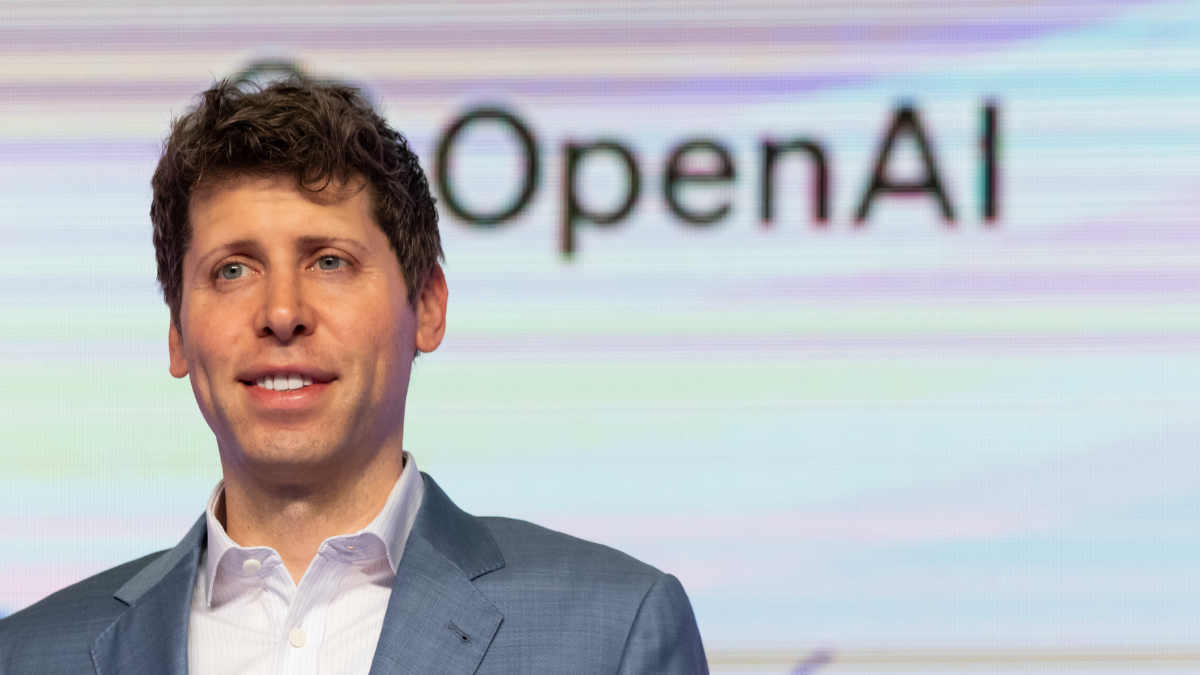
Sam Altman has rejected the suggestion that OpenAI is seeking federal financial protection for its massive AI infrastructure investments, responding a day after one of the company’s top executives hinted that the US government might play a role in supporting its financing plans. Writing on X on Thursday, Altman said OpenAI does not have and does not want government guarantees for its data centers, adding that taxpayers should not be expected to rescue companies that make poor financial decisions or fail in the market.
Altman explained that the only conversations involving government support have been about possible loan guarantees related to semiconductor manufacturing in the United States. He said this was in response to the US government’s push for domestic chip production under the CHIPs Act, which offers tens of billions of dollars in grants, loans, guarantees and tax credits. He also stated that OpenAI never filed a formal application.
The clarification comes as OpenAI moves forward with plans to spend roughly $1.4 trillion on chips and data centers in the coming years, a scale that has prompted renewed warnings about a potential AI investment bubble, especially given that the company has not yet turned a profit.
In an interview a day earlier, OpenAI’s chief financial officer Sarah Friar said the company was exploring support from banks and private equity firms, and she suggested that the government could help make financing possible by backing it in some form. The comment drew attention from several industry observers, including White House adviser David Sacks, who publicly insisted that Washington will not rescue AI companies if they run into trouble.
After questions began circulating, OpenAI issued a clarification saying Friar had been speaking about the broader industry, not about any specific request from OpenAI. Friar later echoed that clarification herself, writing that she was not referring to a government guarantee for OpenAI’s own infrastructure and that her phrasing had created confusion.
Altman added that it might be reasonable for governments to build their own AI infrastructure to serve public needs, but he emphasized that OpenAI expects to fund its own expansion through rapid revenue growth. He said the company expects to reach an annual revenue run rate of twenty billion dollars by the end of this year and is aiming to scale that figure into the hundreds of billions by 2030. According to Altman, the long-term spending plan of 1.4 trillion dollars will only be possible if revenue continues to grow, and every step of that growth will require significant effort, though the company remains confident in its trajectory.


