

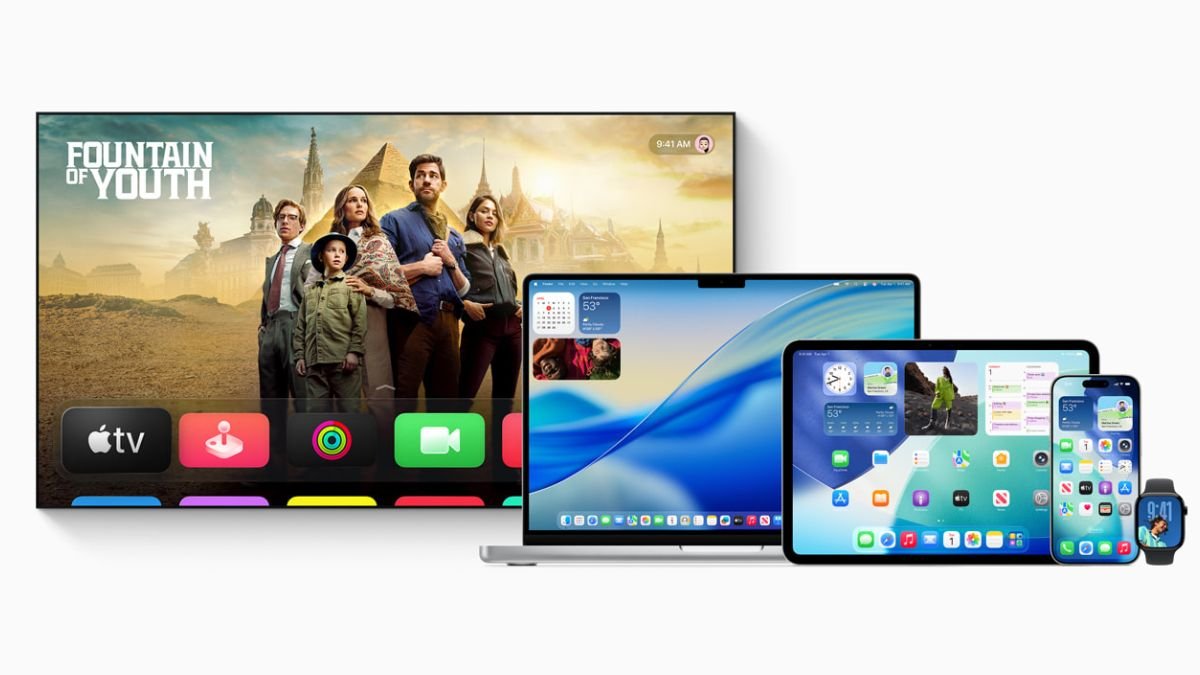
Apple has raised the prices of several MacBook and iPad models worldwide, including in India, with some devices now costing between 20% and 42% more than their original launch prices.
According to the latest pricing on Apple’s India website, the company’s M5-powered MacBook Pro lineup has become nearly 20% more expensive. The base 14-inch MacBook Pro with the M5 Pro chip is now priced at ₹2,99,900, up from its launch price of ₹2,49,900, news agency PTI reported.
The biggest increase has come for the iPad Air. The entry-level 13-inch model now starts at ₹1,19,900, representing a 41.22% jump over its original launch price of ₹84,900.
Neil Shah, Co-founder and Vice President of Research at Counterpoint Research, said the price hikes across products such as the MacBook Air, MacBook Pro, iPad Air, and Wi Fi versions of the iPad Pro are being driven by rapidly rising semiconductor costs, including memory chips and processors.
Explaining the decision, Apple said it had absorbed higher component costs for as long as possible, but rising demand created by the expansion of AI data centers has made further price increases unavoidable.
“The rapid expansion of AI data centers has created an extraordinary surge in demand for memory and storage. We have never seen component prices rise this much in such a short period. We have shielded our customers from these increases so far, but we have now reached a point where we need to begin raising prices on a number of products, including today’s increases for iPad and Mac.”
The company added that it understands customers will be disappointed and said it is continuing to look for ways to ease future cost pressures.
For now, Apple has left prices unchanged for the iPhone, Apple Watch and AirPods. However, according to Bloomberg, the company has indicated that additional products could also see price revisions in the future.
Apple shares fall after price hike announcement
Following the announcement, Apple’s shares dropped as much as 6.2% to $274.86, marking the company’s steepest intraday decline since April 2025, according to Bloomberg.
During its second quarter earnings call, Apple had already warned investors that memory shortages were expected to worsen through the rest of the year.
Earlier this year, CEO Tim Cook said supply constraints had begun affecting the availability of several Mac models, leading to longer shipping times. Although iPhones have largely avoided memory related shortages, Cook noted that processor supply issues have continued to impact production.
“We’re not at the point where we’re saying this is going to end anytime soon,” Cook said in April, adding that shortages could continue for several more months.
Apple is expected to unveil its next generation iPhone lineup in September, including a foldable iPhone reportedly priced above $2,000, alongside the iPhone 18 Pro and iPhone 18 Pro Max, both of which are expected to feature more expensive camera hardware.
Bloomberg Intelligence has projected that Apple could raise iPhone prices, particularly for its Pro models, where consumer demand is less sensitive to price increases. Analysts estimate that a $100 increase would offset nearly 78% of the company’s higher production costs.


